
RC Battery Connectors and Balance Plugs Explained
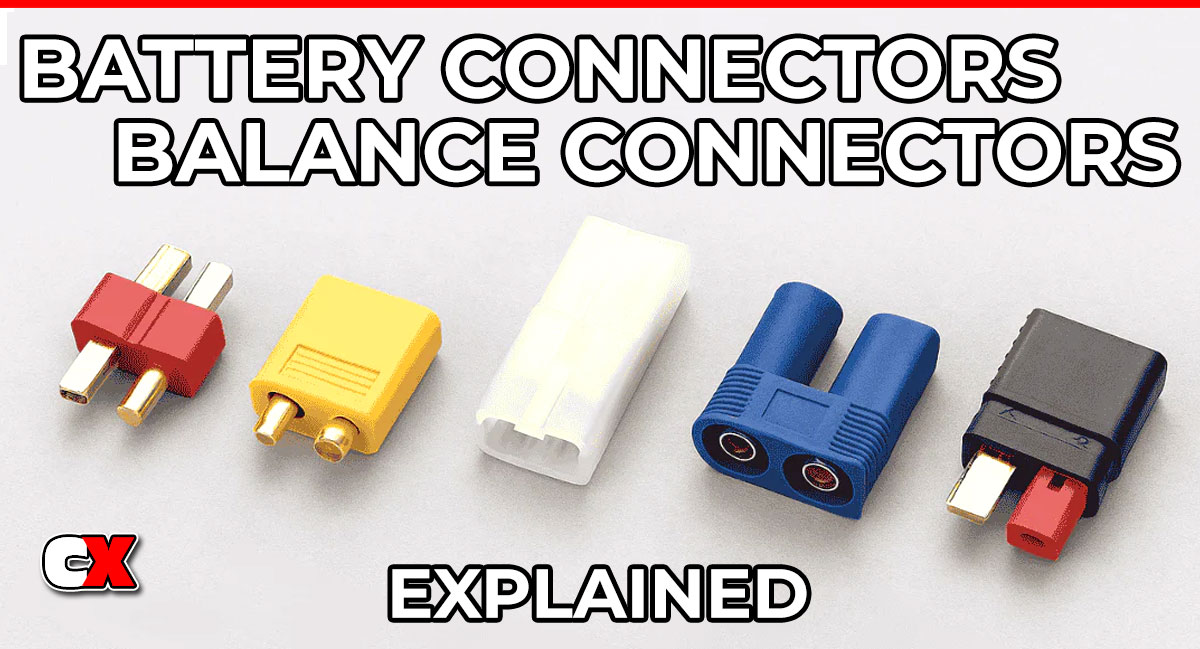
If you’re new to RC cars, one of the most confusing parts of your setup isn’t the motor or suspension – it’s the wiring. Specifically, the battery connectors and balance plugs.
They look simple. Two wires, a plastic plug, maybe a second smaller connector. But choosing the wrong connector – or misunderstanding how they work – can lead to poor performance, overheating or even damage to your expensive electronics.
This guide breaks it all down in plain English so you can understand:
• What RC battery connectors do
• The most common types (XT60, Deans, Traxxas and more)
• What balance plugs are and why they matter
• How everything works together in your RC system
What Are RC Battery Connectors?
RC battery connectors are the physical link between your battery and your ESC (electronic speed control). They carry power from the battery into the system that drives your motor.
It sounds basic, but this connection is critical. If it’s inefficient, loose or undersized, your entire RC car suffers.
A good connector:
• Transfers power efficiently
• Handles the required current without overheating
• Maintains a solid connection under vibration
• Prevents reverse polarity mistakes
In short: your connector is the last step in the power chain and if it fails, everything downstream suffers.
Why Connector Choice Matters
A lot of beginners treat connectors like an afterthought. That’s a mistake.
Different connectors are designed for different power levels. Using the wrong one can cause:
• Heat buildup (high resistance)
• Voltage drop (reduced performance)
• Loose connections (intermittent power loss)
• Compatibility issues across your fleet
For example:
• XT60 connectors are common for general RC use
• XT90 and EC5 are better for high-power setups
• Smaller plugs like JST are only suitable for low current systems
Common RC Battery Connector Types
Let’s break down the connectors you’ll most likely encounter.
XT Series (XT30, XT60, XT90)
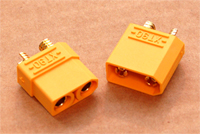 These are some of the most widely used connectors in modern RC.
• XT30 – Small, low-current applications
• XT60 – The most common general-purpose connector
• XT90 – High-power setups (1/8 scale, large vehicles)
Why they’re popular:
• Easy to solder
• Secure fit
• Good current handling
• Widely adopted across brands
XT60 is often considered the “standard” for most RC cars because it balances size and performance well.
EC3 / EC5 (and IC3 / IC5)
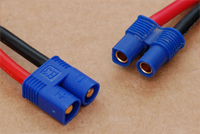 These use bullet-style connectors inside a plastic housing.
• EC3 / IC3 – Moderate power setups
• EC5 / IC5 – High current applications
They offer:
• Strong electrical contact
• High current capability (EC5 can handle ~80–120A)
Common in:
• Spektrum/Horizon systems
• Larger RC vehicles
Deans (T-Plug)
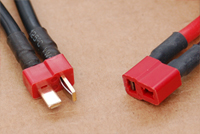 One of the older but still widely used connectors.
Features:
• Compact design
• Strong connection using flat tabs
• Good for medium power setups
Limitations:
• Not ideal for very high voltage systems
• Can be harder to solder cleanly
Still common in many existing RC setups, even if newer connectors have taken over in some areas.
Traxxas (TRX Plug)
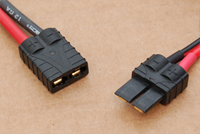 Designed specifically for Traxxas vehicles.
Advantages:
• Plug-and-play within the Traxxas ecosystem
• Designed for high current
• Works seamlessly with Traxxas batteries and chargers
Downside:
• Less universal compatibility outside the Traxxas ecosystem
Tamiya Connectors
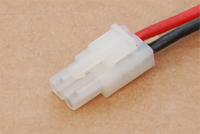 These are often found on entry-level or older RC vehicles.
Key points:
• Easy to use
• Built-in locking mechanism
• Lower current capacity (~15A range)
Best for:
• Beginner setups
• Low-power applications
Not ideal for modern high-performance builds.
JST Connectors
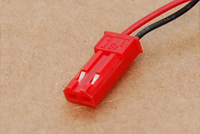 Small red connectors often used for:
• Receiver power
• LED systems
• Small batteries
They are not designed for main battery power in RC cars.
How to Identify Your Connector
If you’re unsure what connector you have, check:
• Color (XT = yellow, Deans = red, EC = blue)
• Shape (flat tabs vs bullet pins)
• Size (XT60 vs XT90 differences)
These visual cues usually tell you exactly what you’re working with.
What Is a Balance Plug?
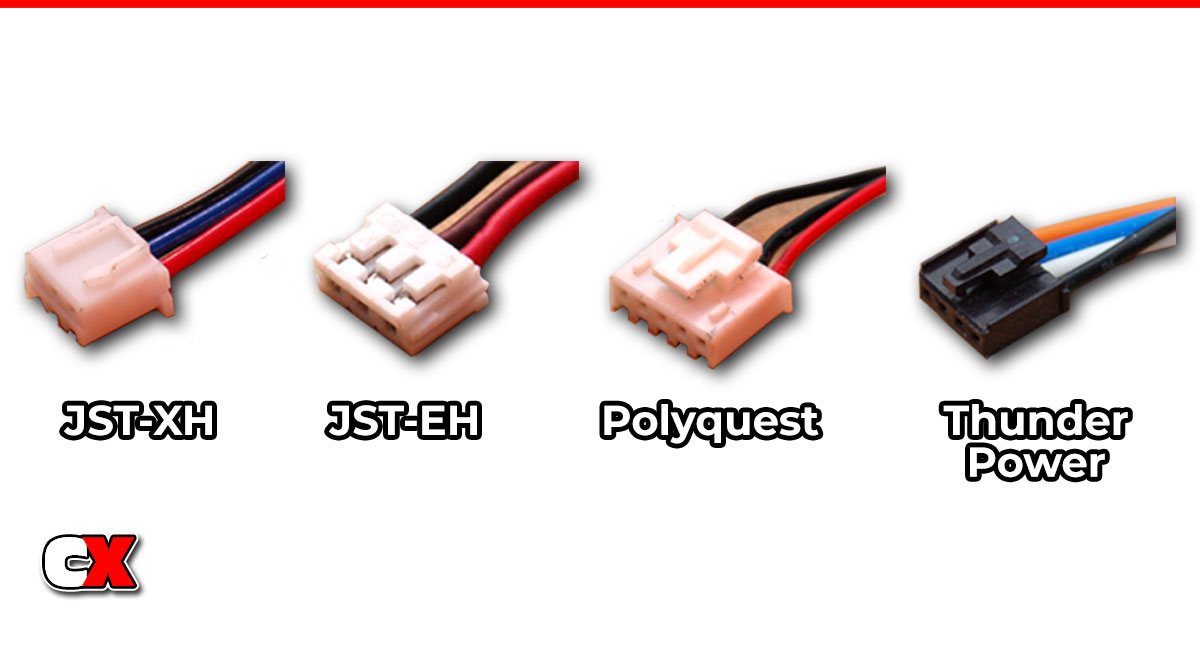
If your battery has a second, smaller connector – usually with multiple wires – that’s the balance plug. This is separate from the main power connector.
What Does a Balance Plug Do?
A balance plug allows your charger to:
• Monitor each individual cell in a LiPo battery
• Ensure all cells charge evenly
• Prevent overcharging or undercharging
This is critical because LiPo batteries are made of multiple cells. If one cell becomes overcharged, it can damage the battery – or worse.
Balance Plug Types
The most common types are (all plugs have multiple colored wires attached to them):
• JST-XH
• JST-EH
• Polyquest
• Thunder Power
The number of wires tells you the cell count:
• 3 wires = 2S battery
• 4 wires = 3S battery
• 5 wires = 4S battery
Important: Balance Plug vs Main Connector
Main connector = powers your RC car
Balance plug = used for charging only
Never try to run your RC car using the balance plug.
Connector Compatibility and Adapters
One of the biggest headaches in RC is mismatched connectors.
Example:
• Battery = XT60
• ESC = Deans
Now what? Well, you have two options:
Option 1: Use an Adapter
• Quick and easy
• No soldering required
But:
• Adds resistance
• Adds another failure point
Option 2: Change the Connector (Recommended)
• Cleaner setup
• Better performance
• More reliable long-term
Adapters are fine short-term, but standardizing your connectors across your fleet is the better move.
Choosing the Right Connector (Beginner Advice)
If you’re starting fresh, keep it simple:
• 1/10 scale bashers and racers: XT60 or IC3
• 1/8 scale or high power: XT90 or EC5
• Traxxas vehicles: Stay with TRX unless upgrading everything
The key is consistency. Pick one connector type and stick with it across your batteries and ESCs.
Best Practices for RC Connectors
• Always match connector ratings to your power system
• Avoid cheap connectors with poor materials
• Keep connections clean and tight
• Check for heat after running
• Replace worn or loose connectors
A bad connector can silently reduce performance without you realizing it.
FAQ
Q: What is the most common RC battery connector?
A: XT60 is one of the most widely used connectors because it balances size, durability and current capacity well.
Q: Can I mix different connectors?
A: Not directly. You’ll need an adapter to connect mis-matched connectors.
Q: Are adapters bad to use?
A: They work, but they add resistance and complexity. Long-term, it’s better to standardize your connectors.
Q: What happens if my connector is too small?
A: It can overheat, melt or cause voltage drop, reducing performance.
Q: Do balance plugs power the car?
A: No. Balance plugs are only used for charging and monitoring battery cells.
Q: Can I change connectors on my battery?
A: Yes. It’s common practice, but requires proper soldering skills.
Q: Why do my connectors get hot?
A: This is usually due to:
• High current draw
• Poor solder joints
• Loose connections
• Undersized connectors
Q: What connector should beginners use?
A: XT60 is the safest starting point for most RC cars.
🔗 Internal Linking Suggestions (CompetitionX)
To strengthen your SEO silo, link this article to:
Your LiPo battery guide (C-rating article)
ESC tuning/setup guide
“How to change connectors” article
RC electronics basics pillar

