

Sensored vs Sensorless RC Brushless Motors: What’s the Real Difference?
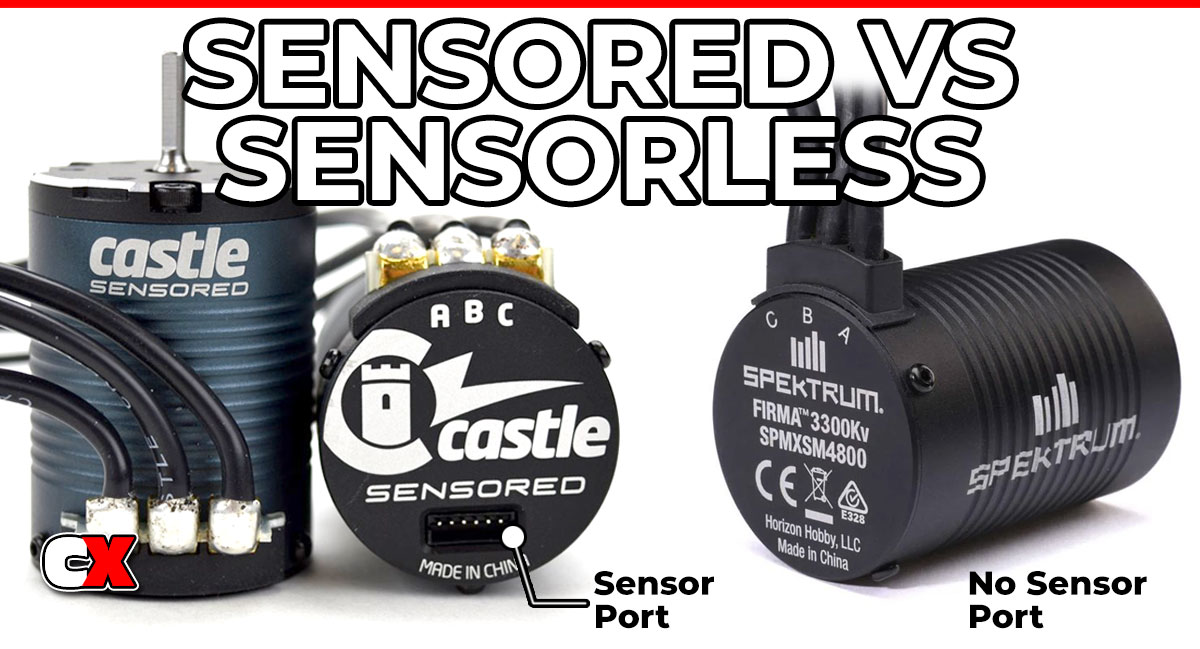
If you’re upgrading your RC car or building one from scratch, one decision comes up fast: sensored or sensorless brushless motor?
At a glance, they look the same. Both are brushless. Both can deliver serious power. But how they deliver that power, and how your car feels on the track or in the backyard, is very different.
This guide breaks it down in plain terms so you can choose the right setup for your driving style.
What Is a Brushless RC Motor?
Before comparing the two, it helps to understand what they share.
A brushless motor replaces the traditional brushed motor’s mechanical commutation (brushes and a commutator) with electronic control. This gives you:
• Higher efficiency
• More power
• Longer lifespan
• Less maintenance
Both sensored and sensorless motors are brushless. The difference is how they track rotor position.
What Is a Sensored Motor?
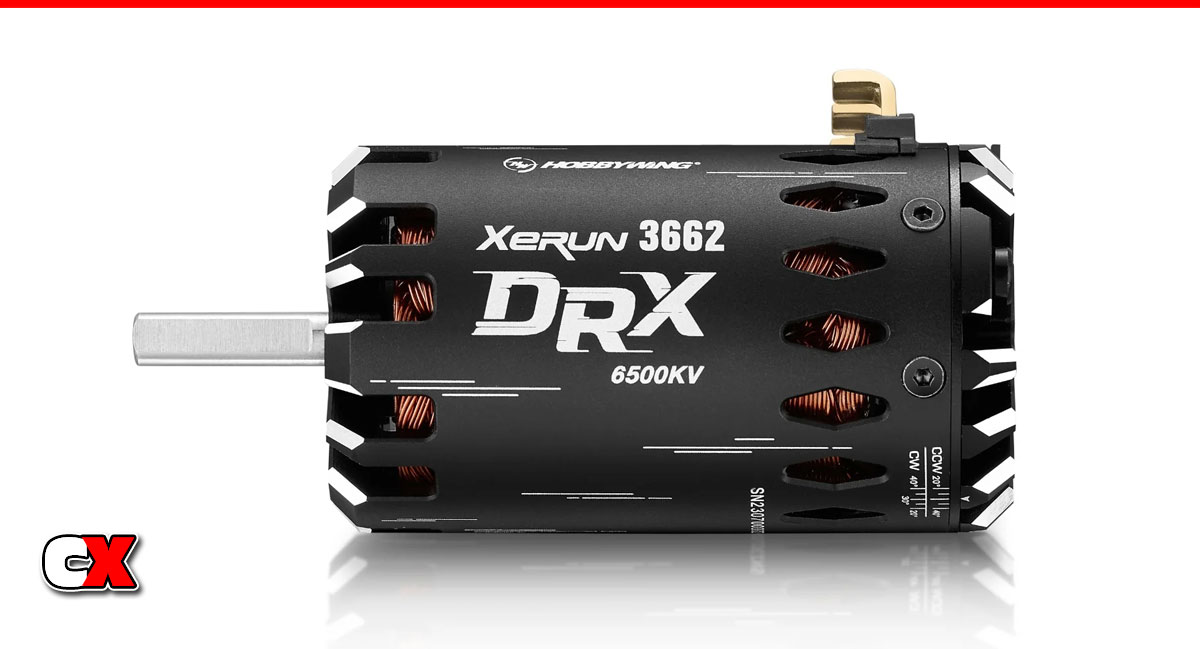 A sensored motor includes built-in sensors (usually Hall sensors) that tell the ESC exactly where the rotor is at all times. This requires a sensor cable connecting the motor to the ESC.
Key Characteristics:
• Uses a sensor wire
• Extremely smooth throttle response
• Precise low-speed control
• Preferred for racing
Sensored setups are common in competition-level RC vehicles where control matters more than raw simplicity.
What Is a Sensorless Motor?
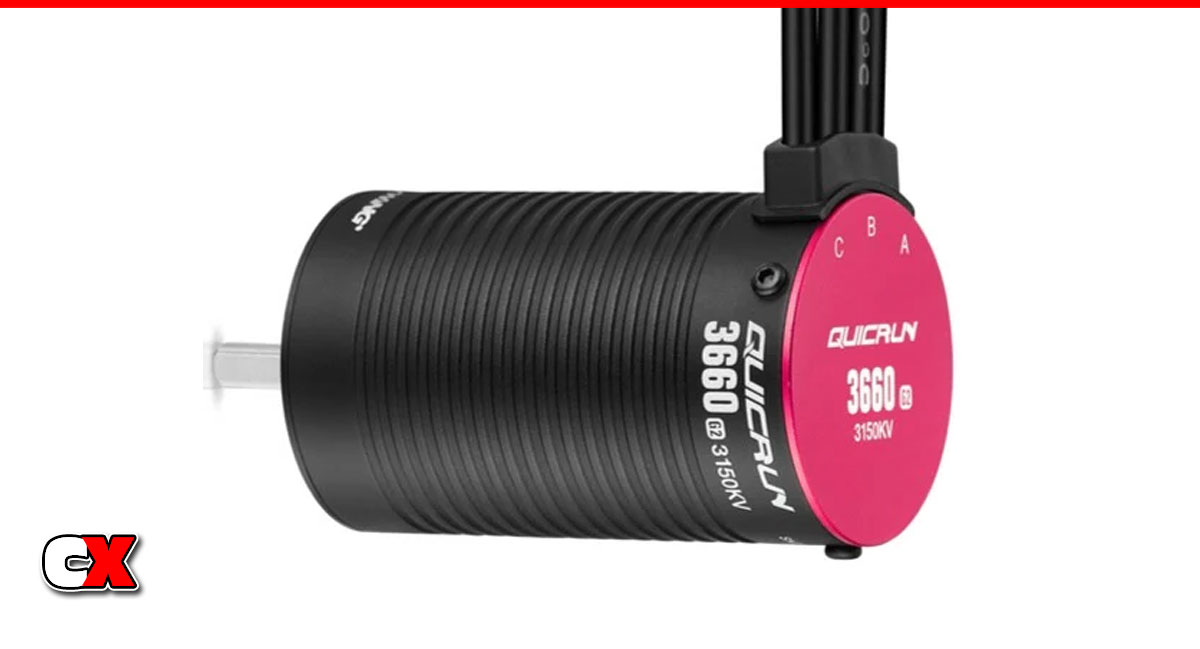 A sensorless motor does not have internal sensors to track the rotor’s position.
Instead, it relies on the ESC (Electronic Speed Control) to estimate rotor position by reading back EMF (electromotive force) from the motor windings.
Key Characteristics:
• No sensor wire
• Simpler design
• More durable in harsh conditions
• Less precise at low speed
Sensorless systems are common in RTR vehicles and bashers because they are reliable and affordable.
How Each System Works
Sensorless Operation:
ESC sends current to motor phases
• Motor spins
• ESC reads back EMF signals
• Adjusts timing based on estimates
At high speed, this works very well. At low speed, it struggles.
Sensored Operation:
• Sensors detect rotor position instantly
• ESC receives real-time data
• ESC applies power precisely to each phase
This eliminates guesswork and results in smooth, predictable power delivery.
Key Differences at a Glance
| Feature | Sensored Motor | Sensorless Motor |
|---|---|---|
| Start Smoothness | Very Smooth | Can Stutter |
| Low-Speed Control | Excellent | Limited |
| Complexity | Higher | Lower |
| Durability | Moderate | High |
| Cost | Higher | Lower |
| Maintenance | More (Sensor Cable) | Minimal |
| Best Use | Racing | Bashing |
Low-Speed Control and Throttle Feel
 This is where the biggest difference shows up.
Sensored Motors:
• Smooth from a dead stop
• No hesitation
• Linear throttle feel
• Ideal for tight tracks and technical driving
Sensorless Motors:
• Can “cog” or stutter at low RPM
• Less predictable throttle response
• Fine for open driving
If you’ve ever squeezed the throttle and felt a jerky start, that’s typical sensorless behavior.
Acceleration and Top Speed
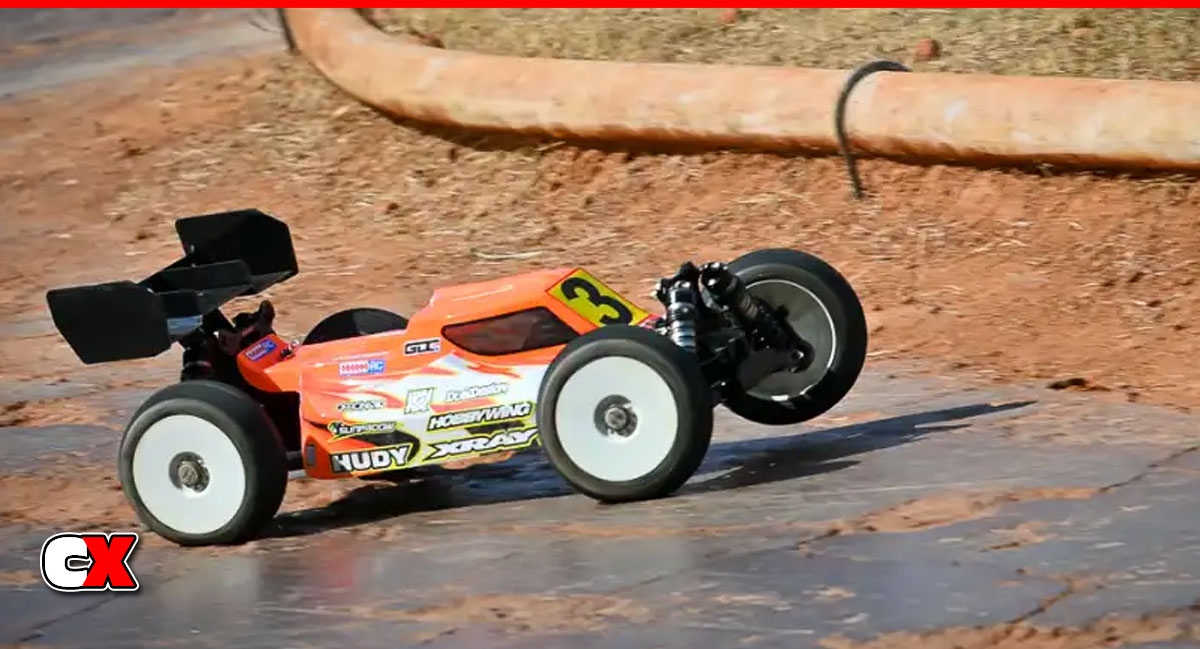 Acceleration:
• Sensored: Controlled and consistent
• Sensorless: Strong but less refined
Top Speed:
At high speeds, the difference becomes minimal. In fact, many modern sensored systems switch to sensorless mode at high RPM, meaning:
• Top speed is often similar
• Differences are mostly in how power is delivered
Reliability and Maintenance
Sensorless Motors:
• No sensors to fail
• No sensor cable to damage
• Better in dirt, water and debris
Sensored Motors:
• Sensor board can fail
• Sensor wire can loosen or break
• Sensitive to dirt and moisture
For harsh environments, sensorless is usually the safer choice.
Cost and Complexity
Sensorless:
• Lower cost
• Fewer components
• Easy setup
Sensored:
• Higher cost
• Requires compatible ESC
• Extra wiring
If you’re building on a budget, sensorless is the easier entry point.
Matching Motors with ESCs
Not all ESCs support both types.
Sensorless ESC:
Works only with sensorless motors
Sensored ESC:
Works with both sensored and sensorless motors
For flexibility, a sensored ESC is usually the better investment.
FAQ
Q: What is the main difference between sensored and sensorless RC motors?
A: Sensored motors use internal sensors to track rotor position, while sensorless motors rely on the ESC to estimate it using back EMF.
Q: Why do sensorless motors cog at low speed?
A: Because the ESC doesn’t know the exact rotor position at startup, it has to estimate, which causes uneven power delivery.
Q: Are sensored motors faster than sensorless motors?
A: Not necessarily. Top speed is often similar. The main difference is smoothness and control.
Q: Can I run a sensored motor without the sensor wire?
A: Yes. It will operate like a sensorless motor, but you lose the smooth low-speed benefits.
Q: Do sensored motors require more maintenance?
A: Yes. The sensor cable and internal electronics can be affected by dirt, moisture, or damage.
Q: Which motor is better for beginners?
A: Sensorless motors are usually better for beginners due to lower cost and simpler setup.
Q: Which is better for RC crawling?
A: Sensored motors are better because they provide smooth, controlled throttle at very low speeds.
Q: Do I need a special ESC for sensored motors?
A: Yes. You need a sensored ESC with a sensor port to use the full benefits.

