
RC Differential Explained
What Is A Differential?
A Differential is a drivetrain component that allows the left and right wheels on the same axle to rotate at different speeds. This is critical when cornering, as the outside wheel travels a longer distance than the inside wheel.
There are two main types of Differentials used in RC cars:
Gear Differential
A Gear Differential uses internal gears (usually planetary gears) housed in a sealed case filled with Differential Fluid. The fluid controls how freely the diff operates.
• Smooth and consistent operation
• Tuned by changing Differential Fluid weight
• Requires less frequent maintenance
• Common in off-road, bashing and modern race platforms
Ball Differential
A Ball Differential uses a series of balls and plates to create adjustable slip between the wheels.
• Tuned by tightening or loosening the diff screw
• Provides very fine adjustment
• Preferred in some 2WD race classes
• Requires regular maintenance and rebuilds
In simple terms:
• Gear Differential = Fluid-based tuning
• Ball Differential = Mechanical pressure tuning
How Does A Differential / Differential Fluid Affect Your Car?
Differential Action
The Differential controls how power is distributed between the left and right wheels.
• Loose Differential (light Differential Fluid / loose ball diff): More steering, easier rotation, but less forward drive
• Tight Differential (thick Differential Fluid / tight ball diff): More forward traction, better acceleration, but reduced steering
Differential Fluid Tuning (Gear Differential)
Changing Differential Fluid thickness directly changes handling:
Thinner Differential Fluid (e.g., 1K–5K):
• More off-power steering
• Better on tight tracks
• Less forward bite on exit
Thicker Differential Fluid (e.g., 7K–100K+):
• More forward drive
• Better acceleration and stability
• Reduced corner rotation
Very Thick / Locked (500K+ or putty):
• Near spool behavior
• Maximum drive, minimal differentiation
Differential Height
Differential Height refers to the vertical position of the Differential relative to the chassis and driveshaft line.
This adjustment is often overlooked but has a noticeable effect:
Higher Differential Height:
• Reduces driveshaft angle
• Smoother power delivery
• Slightly less chassis roll influence
Lower Differential Height:
• Increases driveshaft angle
• Adds on-throttle grip (especially rear)
• Can make the car feel more aggressive
Think of Differential Height as a subtle way to fine-tune traction and driveline feel without changing gearing or suspension geometry.
How Do You Change the Differential Fluid / Differential Height?
Changing Differential Fluid (Gear Differential)
1. Remove the Differential from the gearbox
2. Open the diff case carefully
3. Clean out old Differential Fluid completely
4. Inspect gears and seals
5. Refill with desired Differential Fluid weight
6. Re-assemble and ensure proper sealing
7. Re-install and check for smooth operation
Tip: Always bleed air bubbles out before sealing the diff for consistent performance.
Adjusting a Ball Differential
1. Access the diff adjustment screw
2. Tighten for more lock (more drive)
3. Loosen for more slip (more steering)
4. Check for smoothness and no slipping under load
Changing Differential Height
This depends on your platform, but common methods include:
• Using different bulkhead inserts or shims
• Adjusting gearbox mounting positions
• Swapping to optional suspension mounts
Important: Make small changes (0.5 – 1.0mm) and test. Even small height changes can be noticeable.
When To Change The Differential Type, Fluid Or Height
Change Differential Type When:
• You want more adjustability – switch to a Ball Differential
• You want consistency and durability – switch to a Gear Differential
• Track conditions demand different power delivery characteristics
Change Differential Fluid When:
• Track grip changes (dusty vs high bite)
• You need more steering or more forward drive
• The car feels inconsistent or “diffing out”
• After regular maintenance intervals
Change Differential Height When:
• You want to fine-tune traction without changing suspension setup
• You’re adjusting for different surfaces (carpet vs dirt)
• The car feels too aggressive or too lazy on throttle
• You’re chasing small gains in a dialed setup
What to Check After Changing Differential Fluid / Differential Height
Whenever you change Differential Fluid or Differential Height, it affects overall balance. Re-check these:
Rear Toe:
Affects stability and forward traction
Camber:
Ensures proper tire contact under load
Camber Gain / Camber Link Locations:
Influences mid-corner grip
Ride Height:
Impacts weight transfer and driveline angles
Shock Oil and Springs:
Controls how weight shifts under power
Anti-Squat / Anti-Dive:
Works with Differential behavior under acceleration/braking
Tire Selection:
Must match the new traction characteristics
Slipper Clutch / Center Differential (if applicable):
Works directly with the Differential
Small Differential changes can expose issues elsewhere, so always confirm the full setup.
FAQ
Q: What’s the best Differential Fluid to start with?
A: Start with the manufacturer’s recommended Differential Fluid and adjust from there. For most 1/10 off-road cars, 5K–7K rear is a common baseline.
Q: What happens if my Differential is too loose?
A: The car will have great corner entry but poor acceleration. You may hear the diff “unloading” under throttle.
Q: What happens if my Differential is too tight?
A: The car will accelerate well but push in corners and feel harder to rotate.
Q: Is Differential Height adjustment worth it?
A: Yes, especially for fine tuning. It won’t fix a bad setup, but it can make a good setup better.
Q: How often should I rebuild a gear Differential?
A: For racing, every few race days. For casual driving, inspect and refresh the Differential Fluid when performance drops or leaks appear.
Q: Ball Differential or Gear Differential – which is better?
A: Neither is strictly better. Ball diffs offer precision tuning, while gear diffs offer consistency and ease of use.
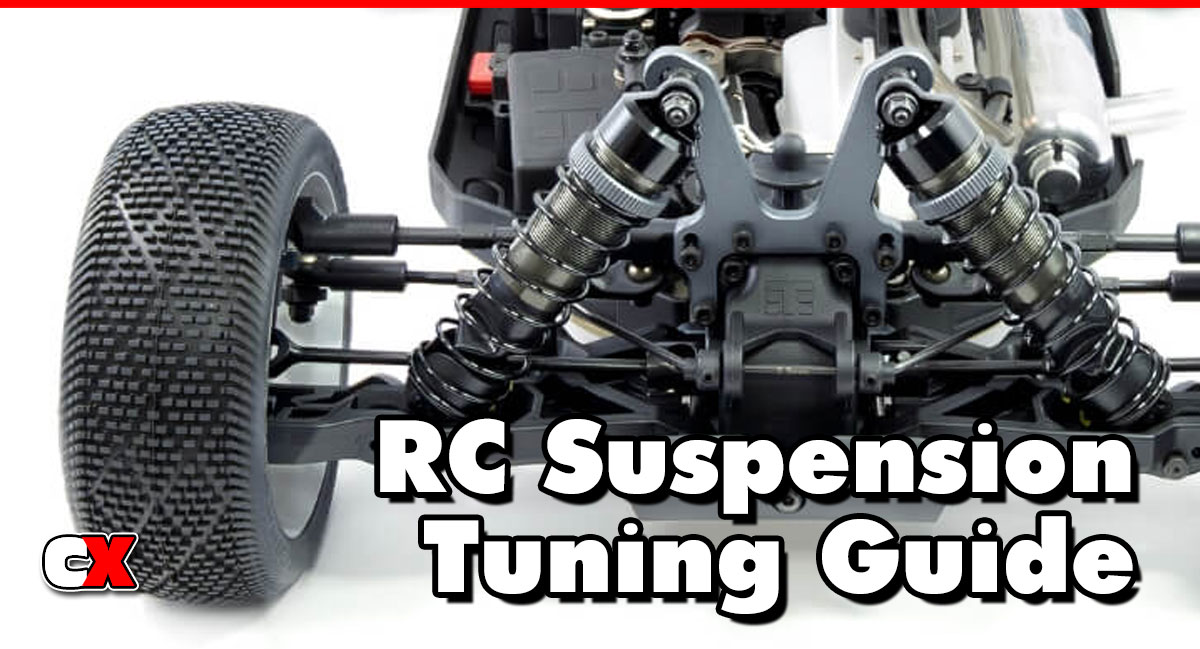
Back to the RC Suspension Tuning Guide.

