
RC Roll Center Explained
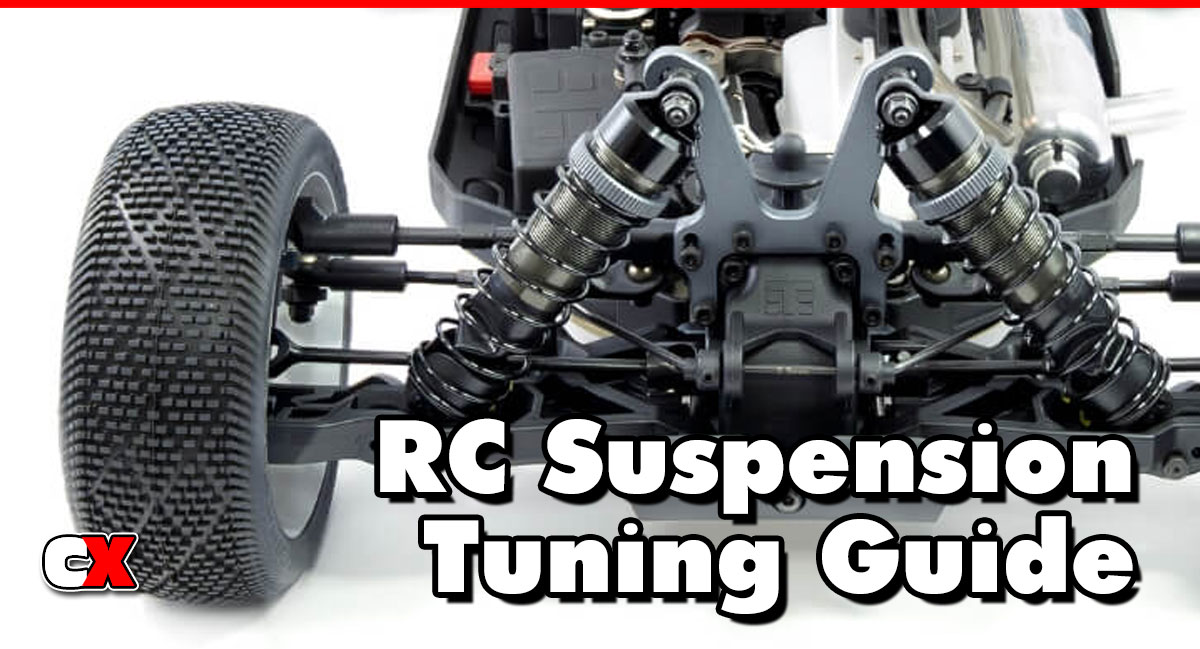
What Is Roll Center?
Roll Center is an imaginary point in your suspension geometry that represents where your chassis “rolls” around during cornering. It is determined by the angles and positions of your suspension arms and camber links, not a physical part you can see.
Each end of the car has its own Roll Center and is typically described as being higher or lower relative to the ground. Even small changes in Roll Center can have a noticeable effect on how your RC car handles through corners.
In simple terms:
• A higher Roll Center reduces chassis roll
• A lower Roll Center allows more chassis roll
How Does Roll Center Affect Your Car?
Roll Center directly influences how weight transfers across your car when cornering. This impacts grip, steering response and overall stability.
Higher Roll Center
• Reduces chassis roll
• Makes the car feel more responsive
• Transfers weight more quickly
• Can reduce overall grip on low-traction surfaces
On track feel:
• Sharper steering
• More aggressive rotation
• Less forgiving
Lower Roll Center
• Increases chassis roll
• Slows down weight transfer
• Generates more mechanical grip
• Makes the car easier to drive
On track feel:
• Smoother cornering
• More stability
• Better grip on loose or low-bite surfaces
Front vs Rear Roll Center Effects
Front Roll Center
• Higher: more steering response, less front grip
• Lower: more front grip, smoother steering
Rear Roll Center
• Higher: more rotation, less rear grip
• Lower: more rear stability and forward traction
How Do You Change The Roll Center?
Roll Center is adjusted indirectly by changing suspension geometry. The most common methods include:
1. Camber Link Height (Most Common)
• Raising the camber link = raises Roll Center
• Lowering the camber link = lowers Roll Center
This can be done at:
• The shock tower (inner camber link mount)
• The hub/knuckle (outer camber link mount)
2. Suspension Arm Angle
• Arms angled upward toward the chassis = higher Roll Center
• Arms angled downward = lower Roll Center
3. Inner Hinge Pin Height (Less Common)
• Raising hinge pins raises Roll Center
• Lowering hinge pins lowers Roll Center
4. Roll Center Shims/Blocks
Many race kits include inserts or shims to fine-tune Roll Center through suspension mounting points.
When To Change The Roll Center
Roll Center tuning is most useful when adjusting how your car behaves mid-corner and during weight transfer.
Increase Roll Center (Raise It) When:
• The car feels lazy or slow to respond
• You need more rotation in tight corners
• The track has high grip and the car feels stuck
• You want quicker direction changes
Decrease Roll Center (Lower It) When:
• The car feels nervous or twitchy
• You need more overall grip
• The track is loose, dusty or low traction
• The rear of the car feels unstable
Surface-Based Tuning
High-Bite Tracks (carpet, high-grip clay)
• Higher Roll Center helps prevent traction rolling
• Improves responsiveness
Low-Bite Tracks (loose dirt, dusty surfaces)
• Lower Roll Center increases grip
• Makes the car easier to control
What To Check After Changing Roll Center
Changing Roll Center affects multiple aspects of your setup. Always double-check these areas:
1. Camber
Adjusting Camber Link height can change static Camber and Camber Gain. Re-check your Camber settings after any change.
2. Ride Height
Roll Center changes can alter how the chassis settles under load. Verify Ride Height remains consistent.
3. Shock Setup
• Shock position and angle may need adjustment
• Spring rate and oil weight may need fine-tuning
4. Roll Balance (Front vs Rear)
If you adjust only one end of the car, you may create imbalance:
• Too much front Roll Center = aggressive steering
• Too much rear Roll Center = loose rear
5. Droop
Changes in suspension geometry can affect Droop limits. Re-check Droop to maintain consistency.
6. Toe Settings
Especially in the rear, Roll Center changes can slightly influence Toe characteristics under load.
FAQ
Q: What is the easiest way to adjust Roll Center?
A: The easiest method is adjusting Camber Link height using different mounting holes on the shock tower or hub.
Q: Should I change front or rear Roll Center first?
A: Start with the rear for stability changes, then fine-tune the front for steering feel.
Q: Does Roll Center affect jumping?
A: Yes. A higher Roll Center can make the car react quicker in the air, while a lower Roll Center can make it feel more stable on landing.
Q: How much Roll Center change is noticeable?
A: Even a 1mm change can make a difference, especially on high-grip tracks.
Q: Is Roll Center more important than Camber?
A: They work together. Roll Center affects weight transfer, while Camber affects tire contact. You need both balanced.
Q: Can Roll Center fix traction rolling?
A: Yes. Raising Roll Center (especially in the front) can help reduce traction roll on high-bite surfaces.
Related Tuning Adjustments
To get the most out of this setup change, review these related guides:
• Camber Link Locations
• Ride Height
Back to the RC Suspension Tuning Guide

