
RC Radio Traction Control Explained
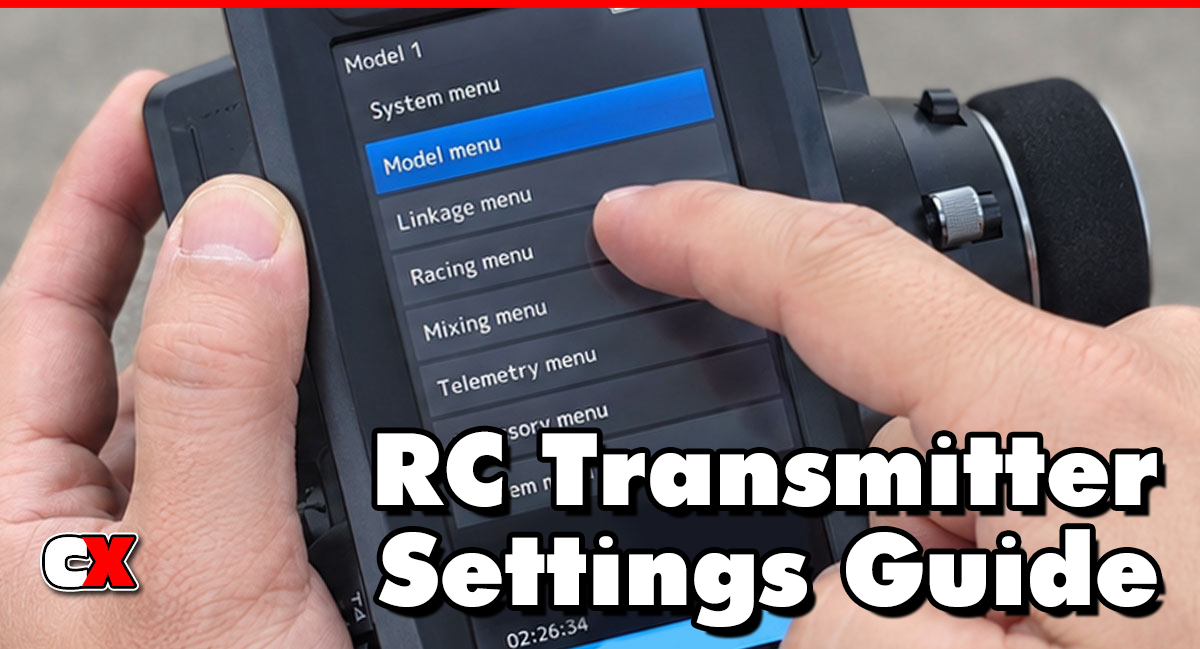
What Is Traction Control
Traction Control in RC radio systems is an electronic feature that reduces excessive wheelspin by limiting or smoothing throttle input when traction loss occurs.
Unlike full-scale vehicles that use wheel speed sensors, most RC Traction Control systems rely on software algorithms inside the transmitter or ESC. These systems monitor throttle application and modify how power is delivered to the motor. The goal is to keep the tires hooked up instead of spinning uncontrollably.
Depending on the radio or ESC system, Traction Control may:
• Reduce sudden throttle spikes
• Slow throttle response during acceleration
• Automatically smooth trigger movement
• Limit throttle rate at low traction levels
• Adjust power delivery based on steering angle or vehicle movement
• Work together with gyro systems in drift applications
Some high-end radios and ESCs offer programmable Traction Control settings, while others include simple presets.
How Does Traction Control Affect Your Car
Traction Control changes how aggressively power is delivered to the tires. Instead of allowing full throttle instantly, the system smooths acceleration to help maintain grip.
The biggest effect is improved stability during acceleration.
Benefits of Traction Control
Reduced Wheelspin
When traction is limited, aggressive throttle inputs can overwhelm the tires. Traction Control helps keep the tires planted by softening throttle delivery.
This is especially useful on:
• Dusty tracks
• Cold tires
• Slick asphalt
• Loose dirt
• Low-grip carpet
Improved Consistency
Many drivers struggle with overdriving the car during acceleration. Traction Control can make the vehicle easier to drive consistently over long runs.
A smoother car often produces:
• More predictable lap times
• Better corner exits
• Less tire overheating
• Reduced crashes
Easier Vehicle Control
High-powered RC vehicles can be difficult to manage. Traction Control reduces the “all-or-nothing” feeling that some setups have.
This is particularly noticeable in:
• Modified touring car
• 4WD buggy
• Powerful brushless drift cars
• High-traction drag cars
Better Drivability in Rough Conditions
Changing track conditions can reduce available grip. Traction Control can help stabilize the vehicle when:
• The track gets dusty
• Tires wear out
• Temperatures drop
• Grip levels change during a race day
Potential Drawbacks of Traction Control
Reduced Initial Acceleration
Too much Traction Control can make the car feel lazy or unresponsive coming out of corners.
Less Aggressive Throttle Feel
Drivers who prefer direct throttle response may dislike the smoother feel.
Can Mask Setup Problems
Traction Control should not replace proper suspension tuning, tire selection or differential setup.
Illegal in Some Racing Classes
Many sanctioned racing organizations prohibit electronic driving aids. Always check the rules before enabling Traction Control.
How Do You Change Traction Control
The process depends on your radio system and ESC.
Some radios include dedicated Traction Control menus, while others achieve similar effects through throttle curve, throttle speed or programmable mixing.
Adjusting Traction Control Through The Radio
On supported radios:
1. Open the radio’s function menu
2. Locate the Traction Control setting
3. Increase or decrease intervention percentage
4. Save the setup to model memory
5. Test the vehicle on track
Typical adjustments include:
• Strength
• Activation sensitivity
• Throttle smoothing
• Response delay
• Trigger filtering
Higher values generally create smoother acceleration and less wheelspin.
Adjusting Traction Control Through The ESC
Many ESCs include features that function similarly to Traction Control.
These include:
• Punch control
• Torque control
• Initial throttle reduction
• RPM limiting
• Boost timing management
To adjust these:
1. Connect the ESC programmer
2. Locate throttle management settings
3. Increase or decrease power limiting
4. Test acceleration performance
ESC-based systems usually affect power delivery more directly than radio-based systems.
Using Gyro-Assisted Traction Control
In RC drifting, gyros can work alongside Traction Control systems to improve rear-end stability.
These systems help:
• Reduce sudden over-rotation
• Stabilize throttle transitions
• Improve drift angle consistency
However, too much assistance can make the car feel artificial or disconnected.
When To Change Traction Control
Traction Control tuning depends heavily on track conditions, vehicle type and driving style.
Increase Traction Control When
The Car Spins Tires Excessively
If the rear tires break loose easily under acceleration, increased Traction Control may help.
Track Grip Is Low
Slick or dusty tracks often benefit from smoother power delivery.
Driving Conditions Are Inconsistent
Changing temperatures or uneven surfaces can reduce available grip.
The Vehicle Feels Difficult To Drive
If the car feels nervous or unpredictable exiting corners, additional Traction Control can calm it down.
Using High-Power Brushless Systems
Vehicles with aggressive motors may need assistance controlling power delivery.
Reduce Traction Control When
The Car Feels Slow
Too much intervention reduces acceleration and corner exit speed.
Track Grip Is High
High-grip conditions usually allow more direct throttle response.
The Vehicle Lacks Punch
If acceleration feels soft or delayed, reduce Traction Control.
You Need Faster Corner Exit Speed
Advanced drivers may prefer unrestricted throttle response for maximum performance.
What To Check After Traction Control
Whenever you adjust Traction Control, several other settings should also be checked to ensure the vehicle remains balanced.
Throttle Curve
Traction Control changes how throttle feels. Recheck your Throttle Curve settings to maintain proper trigger response.
Differential Setup
A loose or tight differential can dramatically affect traction behavior.
Check:
• Diff oil weight
• Ball diff tension
• Front-to-rear balance
Tire Condition
Traction problems are often tire-related rather than electronic.
Inspect:
• Tire wear
• Tire compound
• Tire temperature
• Tire conditioning
• Insert condition
ESC Punch Settings
ESC punch and Traction Control can overlap. Too much of both may make the car sluggish.
Suspension Setup
Poor suspension tuning can reduce traction regardless of electronics.
Inspect:
• Shock oil
• Springs
• Ride Height
• Camber
• Toe settings
Motor Temperature
Smoother throttle delivery may lower motor temperatures slightly, but aggressive ESC settings can still create heat buildup.
Basic Traction Control vs Advanced Settings
Basic Traction Control Settings
Basic setups focus on simple throttle smoothing.
Common beginner adjustments include:
• Overall Traction Control strength
• Punch reduction
• Mild throttle delay
• Simple throttle curves
These settings are easier to tune and safer for inexperienced drivers.
Advanced Traction Control Settings
Advanced systems offer deeper control over how power is delivered.
These may include:
• Trigger position sensitivity
• RPM-based intervention
• Corner exit filtering
• Surface-specific profiles
• Steering-linked throttle reduction
• Adjustable response timing
Advanced setups require careful testing – excessive intervention can hurt lap times.
FAQ
Q: Is Traction Control legal in RC racing?
A: Some racing organizations allow it, while others ban electronic driving aids. Always check your class rules before using Traction Control.
Q: Does Traction Control make my RC car faster?
A: Not always. It usually improves consistency and drivability rather than outright speed. On low-grip surfaces it may improve lap times, but on high-grip tracks it can slow the car down.
Q: Is Traction Control the same as Throttle Curve (Expo)?
A: No. Throttle Curve changes trigger sensitivity, while Traction Control actively manages power delivery to reduce wheelspin.
Q: Can beginners use Traction Control?
A: Yes. Mild settings can make powerful RC cars easier to control and reduce crashes caused by aggressive throttle inputs.
Q: Does every radio system support Traction Control?
A: No. Some radios rely on Throttle Curve and Throttle Speed settings to simulate similar behavior, while advanced systems may include dedicated Traction Control functions.
Q: Should I use Traction Control on high-grip tracks?
A: Usually only in small amounts. Too much Traction Control on high-grip surfaces can reduce acceleration and overall speed.
Q: Can Traction Control help RC drift cars?
A: Yes. Many drift drivers use Traction Control alongside gyros to create smoother and more controllable slides.
Q: Is ESC punch control the same as Traction Control?
A: Not exactly. Punch control limits acceleration force globally, while Traction Control attempts to manage traction loss dynamically. However, the two systems can feel similar in some applications.
Back to the RC Transmitter Settings Guide.

