
RC Shock Mounting Positions Explained
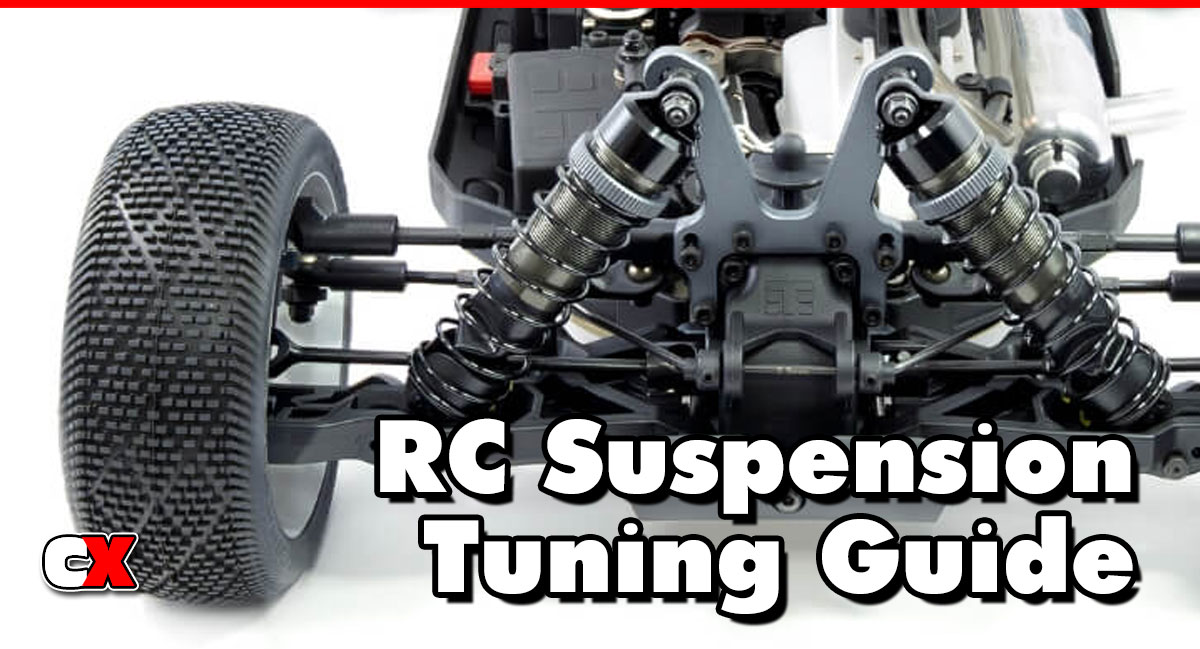
What Are Shock Mounting Positions?
Shock Mounting Positions refer to the different locations where your shocks (dampers) attach to the suspension arms and shock towers on your RC car. Most modern RC vehicles offer multiple mounting holes on both the shock tower (top) and suspension arm (bottom), allowing you to fine-tune how the suspension behaves.
These positions change the angle of the shock and the leverage applied to it, which directly affects how the suspension compresses and rebounds over bumps, jumps and corners.
In simple terms, Shock Mounting Positions control how soft or stiff your suspension feels without changing springs or oil.
How Do Shock Mounting Positions Affect Your Car?
Shock Mounting Positions influence several key handling characteristics:
1. Suspension Stiffness (Effective Rate)
More upright shocks (inside hole on arm / outside hole on tower):
• Stiffer feel
• Less suspension travel
• More responsive handling
More laid-down shocks (outside hole on arm / inside hole on tower):
• Softer feel
• More suspension travel
• Better bump absorption
2. Cornering Behavior
Upright shocks:
• Faster steering response
• More aggressive corner entry
• Less body roll
Laid-down shocks:
• Smoother steering
• More forgiving handling
• Increased grip on rough surfaces
3. Jump Handling (Off-Road)
Laid-down shocks:
• Better landing absorption
• More stable over rough terrain
Upright shocks:
• Quicker weight transfer
• Can feel harsh on landings
4. Forward Bite and Traction
Front shocks laid down:
• More steering grip
• Better on loose tracks
Rear shocks laid down:
• More rear traction
• Improved acceleration stability
5. Balance Between Front and Rear
Shock Mounting Positions must be tuned together:
• Too stiff in the front = understeer
• Too stiff in the rear = oversteer
How Do You Change Shock Mounting Positions?
Changing Shock Mounting Positions is one of the easiest adjustments you can make.
Step-by-Step (may vary with your particular vehicle):
1. Remove the mounting screw from the shock (top or bottom).
2. Move the shock to a different hole:
• On the shock tower (top) or
• On the suspension arm (bottom)
3. Reinstall the screw and tighten securely.
4. Repeat for the other side to keep the setup symmetrical.
General Adjustment Guidelines
On the Shock Tower (Top):
Outer hole (more vertical shock):
• Stiffer response
• Faster handling
Inner hole (more angled shock):
• Softer response
• More traction
On the Suspension Arm (Bottom):
• Inner hole (closer to chassis):
• Stiffer feel
• Less leverage on the shock
Outer hole (closer to wheel):
• Softer feel
• More leverage on the shock
When To Change Shock Mounting Positions
You should adjust Shock Mounting Positions based on track conditions and handling issues.
Change Shock Mounting Positions When:
The car feels too harsh or bouncy.
• Lay the shocks down more (softer setup)
The car feels too lazy or slow to respond.
• Stand the shocks up (stiffer setup)
You need more steering.
• Lay down front shocks
• Or stiffen rear shocks
You need more rear traction.
• Lay down rear shocks
The track is rough or bumpy.
• Use more angled (laid-down) Shock Mounting Positions
The track is smooth and high grip.
• Use more upright Shock Mounting Positions
What to Check After Changing Shock Mounting Positions
After adjusting Shock Mounting Positions, always check the following:
1. Ride Height
Changing angles can slightly alter Ride Height. Re-check and adjust if needed.
2. Droop
Shock angle affects suspension extension. Verify Droop settings remain consistent.
3. Camber and Toe
Small geometry changes can affect alignment. Double-check both.
4. Shock Travel
Ensure shocks are not binding or bottoming out prematurely.
5. Spring Preload
A new angle may change how the spring behaves. Adjust preload collars if needed.
6. Handling Balance
Test drive and confirm:
• Steering response
• Stability
• Traction front vs rear
FAQ
Q: What is the easiest way to tune Shock Mounting Positions?
A: Start with the top mounting holes on the shock tower. These make noticeable changes without drastically affecting geometry.
Q: Should I change the front or rear first?
A: Adjust one end at a time. Start with the end of the car that feels unstable.
Q: Do Shock Mounting Positions replace spring changes?
A: No. They compliment spring tuning. Use Shock Mounting Positions for fine-tuning and springs for major changes.
Q: Are Shock Mounting Positions track-specific?
A: Yes. Smooth, high-grip tracks prefer stiffer (upright) setups, while rough tracks benefit from softer (laid-down) setups.
Q: How much should I change at once?
A: Move one hole at a time and test. Small changes make a big difference.
Q: Do Shock Mounting Positions affect jump performance?
A: Yes. More laid-down shocks improve landing stability and bump absorption.
Back to the RC Suspension Tuning Guide.

