
This Week in Radio Control: Micro Racers, Dirt Oval Muscle and Smarter Pit Tools
RC News for August 24–30, 2026
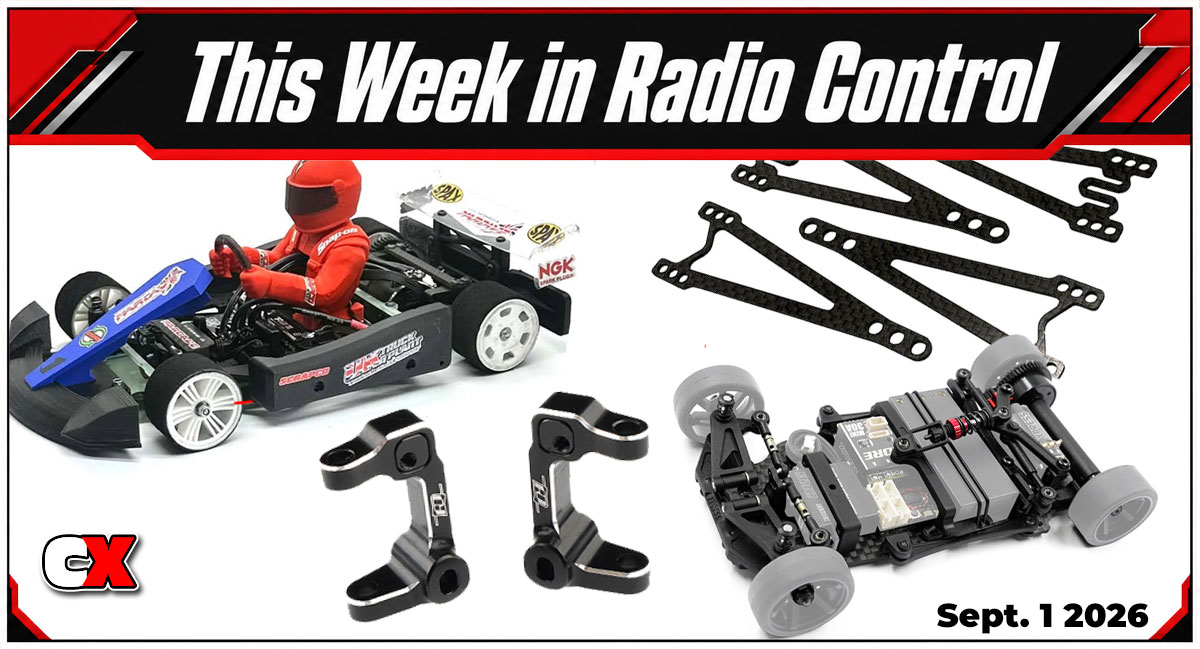
The final full week of August brought us new racing kits, an affordable entry into 1/28-scale competition, a tiny kart with a driver named Dave, fresh support for vintage Team Associated cars and software designed to determine whether your favorite LiPo is actually your fastest LiPo.
In other words, it was a good week to be an RC enthusiast and a questionable week for anyone trying to keep the hobby budget under control.
RC Xpress Enters the 1/28 Racing Market
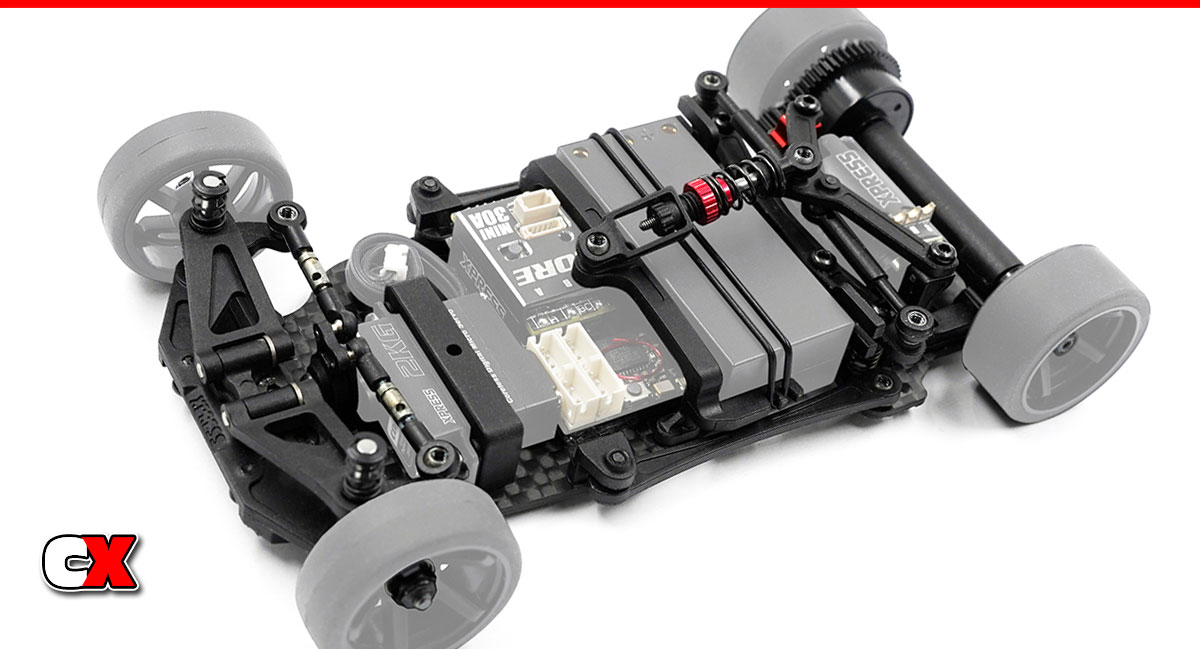
One of the week’s most consequential releases was the RC Xpress Pixel Z1, the company’s first entry into the growing 1/28-scale competition market.
The Pixel Z1 uses a 98mm wheelbase and accepts compatible 98mm hard-plastic bodies. Its narrow chassis is designed to reduce contact with bumpy RCP track surfaces, while extra-long suspension arms slow camber change and make the car easier to control through corners.
Despite its small size, the Z1 offers a surprising amount of adjustment. Racers can tune caster, Ackermann, bumpsteer and rear pod droop. Grease-filled side dampers and a threaded center damper provide additional setup options.
The kit also includes a 64-pitch gear differential, two pinions and a direct steering horn. Its battery compartment accepts medium-size hard-case LiPo packs, which are held in position with an O-ring.
RC Xpress says it emphasized stability and easy assembly during development. That is important because small-scale competition cars are not always friendly to newcomers. Tiny cars occasionally come with tiny screws, tiny adjustments and full-size frustration.
The Pixel Z1 appears to be aimed at drivers who want a proper racing chassis without immediately jumping into the most expensive corner of the 1/28 market. RC Xpress has also announced a compatible Core electronics package, making it easier to assemble a complete car without guessing which miniature motor, ESC and servo will fit.
Link: RC XPRESS
VBC Racing Returns with the Varia MPAN-RR
After several years away from producing new kits, VBC Racing is returning with something unusual.
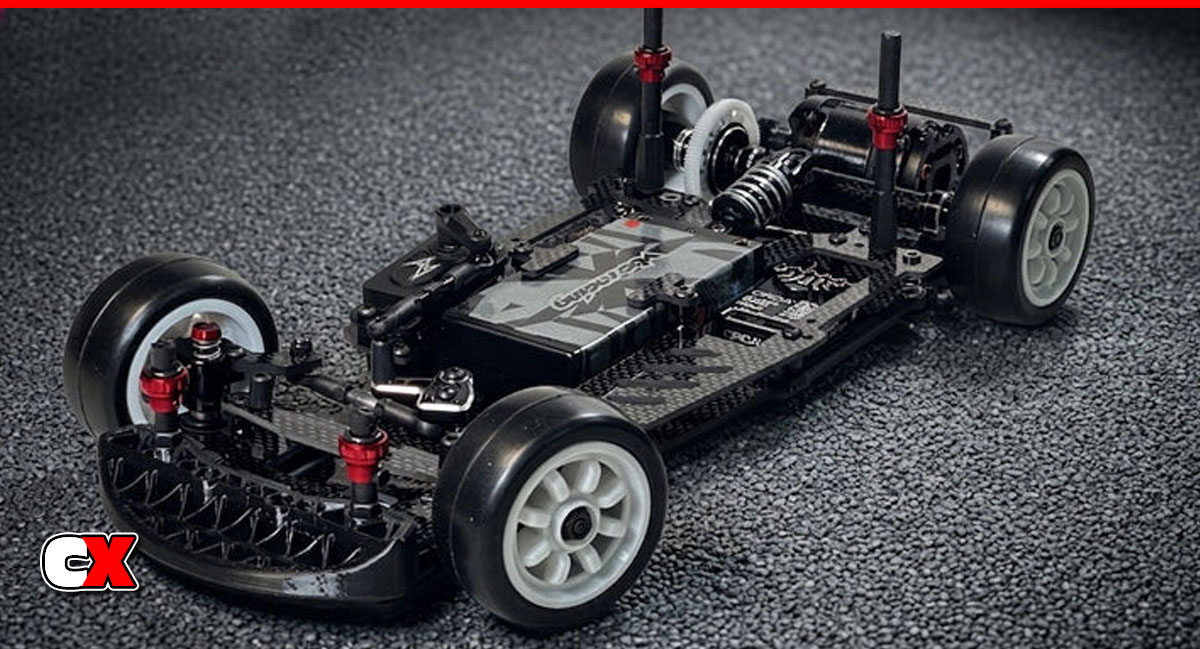
The new VBC Racing Varia MPAN-RR is a rear-wheel-drive, rear-motor M-chassis pan car. Rather than simply pursuing the fastest possible lap time, VBC says it designed the chassis to recreate the weight transfer and driving behavior of a full-size rear-engine sports car.
The MPAN-RR uses a carbon-fiber main chassis with 7075 aluminum components, titanium turnbuckles and a fully supported aluminum steering rack. An adjustable Ackermann system allows racers to alter steering response, while a floating servo mount helps the chassis flex evenly.
The battery can be installed lengthwise or sideways. Changing its orientation alters the car’s weight distribution and roll characteristics, giving builders another way to tune handling.
Its wheelbase can be set to either 210mm or 225mm, allowing the chassis to fit several popular M-chassis bodies. VBC recommends rear-engine sports-car bodies, such as Porsche 911 replicas, to complement the car’s intended handling characteristics.
A flexible TPU front bumper is also included. This is another example of 3D-printed components moving from home-built accessories to engineered parts included with production RC kits.
The MPAN-RR will not be the simplest first RC car, but it could be one of the most interesting. Perfectly planted cars are fast. Cars that require a little throttle control are often more fun.
Link: VBC Racing
Team GFRP Introduces the 2027 Mistress
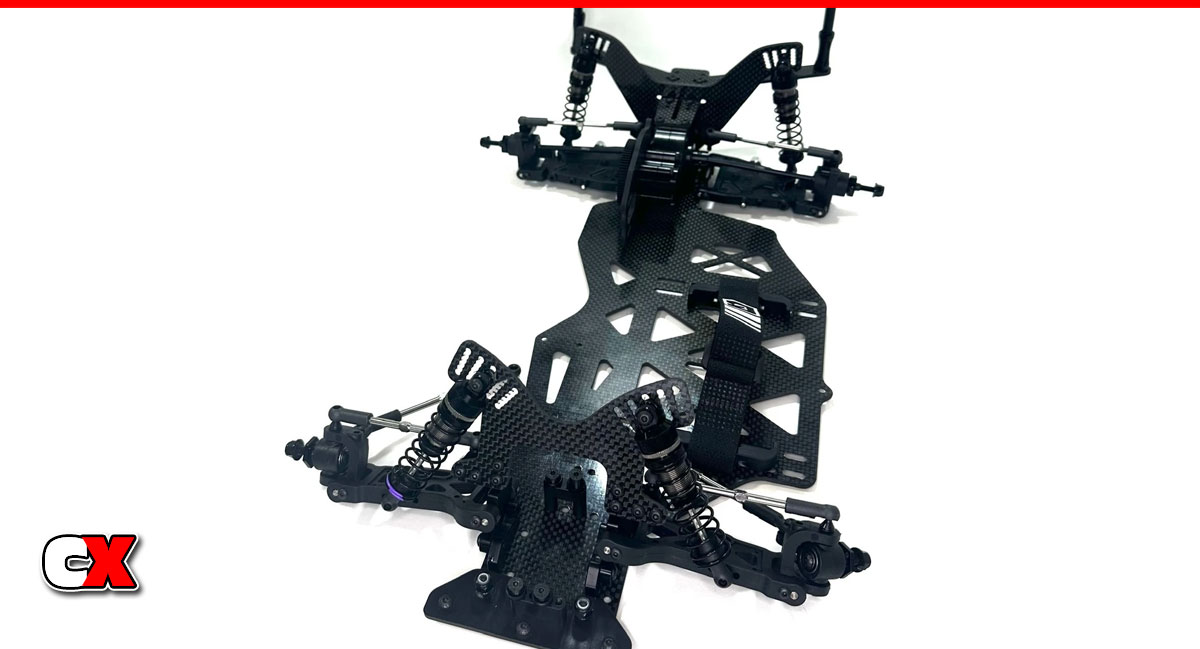
Dirt oval racers received a new high-end option with the release of the Team GFRP 2027 Mistress.
The Mistress can be configured as either a late model or Midwest modified. It is designed primarily for high-bite dirt oval tracks and carries a manufacturer-listed price of $625.95 before electronics, body and other completion equipment.
The 2027 chassis uses a new front shock tower and revised camber-link mounting system. These changes provide more adjustment at the front of the car, while a forward steering-servo position moves additional weight toward the nose.
Team GFRP also added 70mm molded front arms, narrow caster blocks and a revised front bumper riser. Shorter shocks are intended to improve response, while new high-roll-center rear hubs and wider outer arms expand the rear suspension’s adjustment range.
The drivetrain includes a gear differential and a new machined laydown Delrin differential case. Its position further changes the car’s weight distribution.
This is a specialized racing machine rather than a general-purpose RC car. You probably will not see one launching off a homemade plywood ramp at the neighborhood park. If you do, please take a picture because nobody will believe you.
Link: Team GFRP
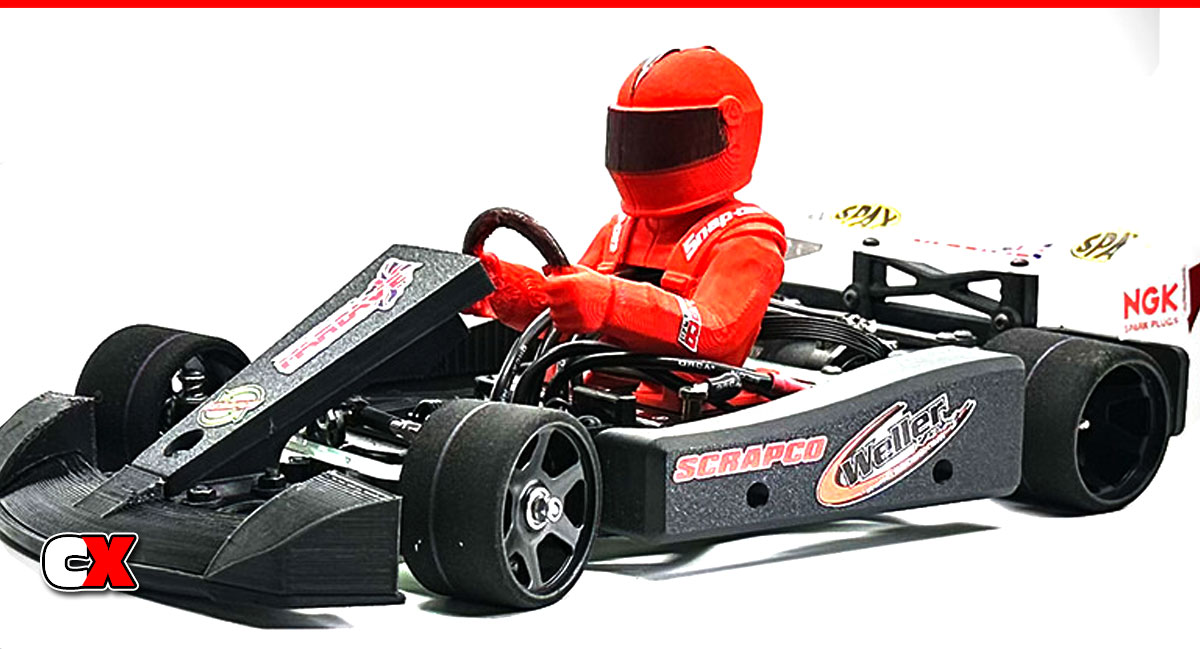
Mardave Adds a Tiny Kart with a Big Personality
British manufacturer Mardave announced the Assassin Pro Kart, a fun new variation based on its MD-26 Mini platform.
The Pro Kart will be available as both a complete kit and an option package for existing MD-26 owners. The conversion adds wider side pods, front and rear bumpers, a wider rear axle and LMPGT rear tires.
It also includes a driver figure named Dave, who sits directly above the LiPo battery.
That description alone may be enough to sell a few.
Mardave has spent decades producing simple and relatively affordable club-racing cars. The Assassin Pro Kart continues that approach by offering something that looks entertaining without requiring an entirely new collection of electronics and equipment.
It could also be a good platform for club spec racing. Identical karts, modest power and clearly defined rules often produce better racing than expensive open classes. They also give drivers fewer opportunities to explain a bad result by pointing at their equipment.
Link: Mardave
Battery Testing Gets More Serious
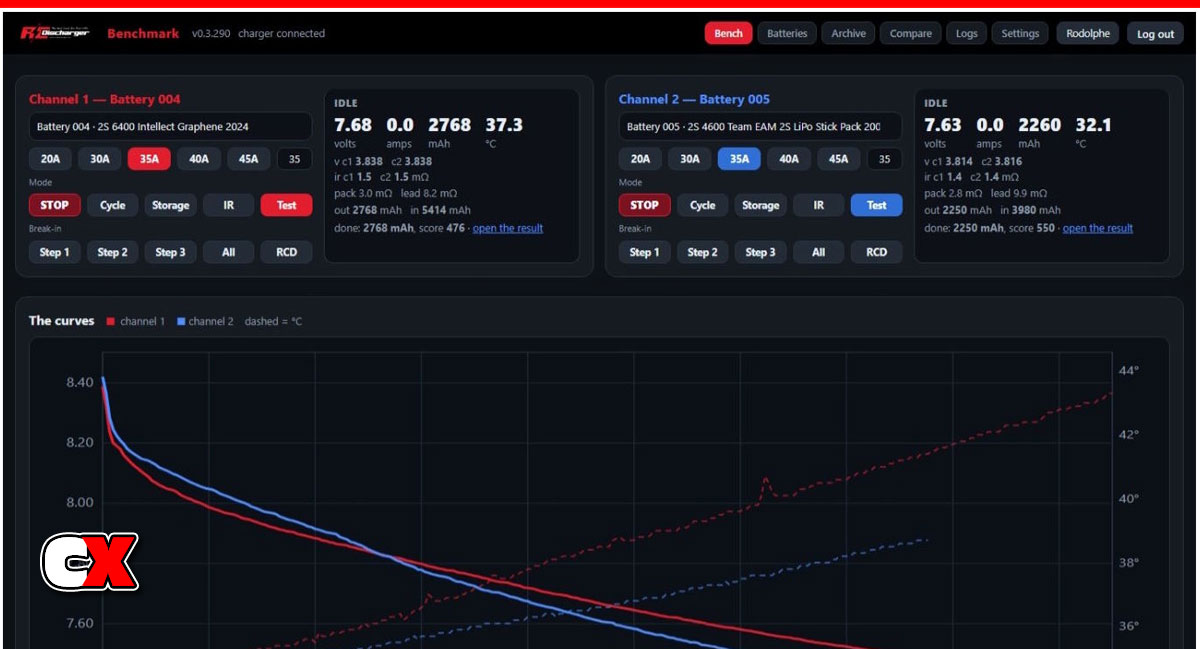
RC Discharger introduced a new software platform called Battery Benchmark.
The program works with RC Discharger’s regenerative dischargers and allows racers to test two LiPo batteries under identical conditions. It can display live voltage and temperature curves while measuring capacity and internal resistance.
Results are archived automatically, and each battery can be assigned a unique identity. Racers can compare several packs, track changes over time and run battery cycling or break-in routines.
The beta version supports Windows and Android. Android devices require the company’s USB Benchmark Adapter, and a compatible temperature sensor is required. Support for iPhone and iPad is planned.
This is firmly aimed at serious racers, but the idea behind it is useful at every level. LiPo labels do not always tell the whole story. Two packs with the same voltage, capacity and C rating can perform differently because of age, condition and internal resistance.
Battery testing provides measurable answers. It can identify the pack that maintains voltage best under load and reveal when a formerly strong battery is beginning to decline.
It may also prove that the ugly battery you keep at the bottom of the box is faster than the expensive one covered in shiny labels. Science can be cruel.
Link: RC Discharger
Moto Obscura Keeps Vintage Associated Cars on Track
Vintage RC enthusiasts were not forgotten this week.
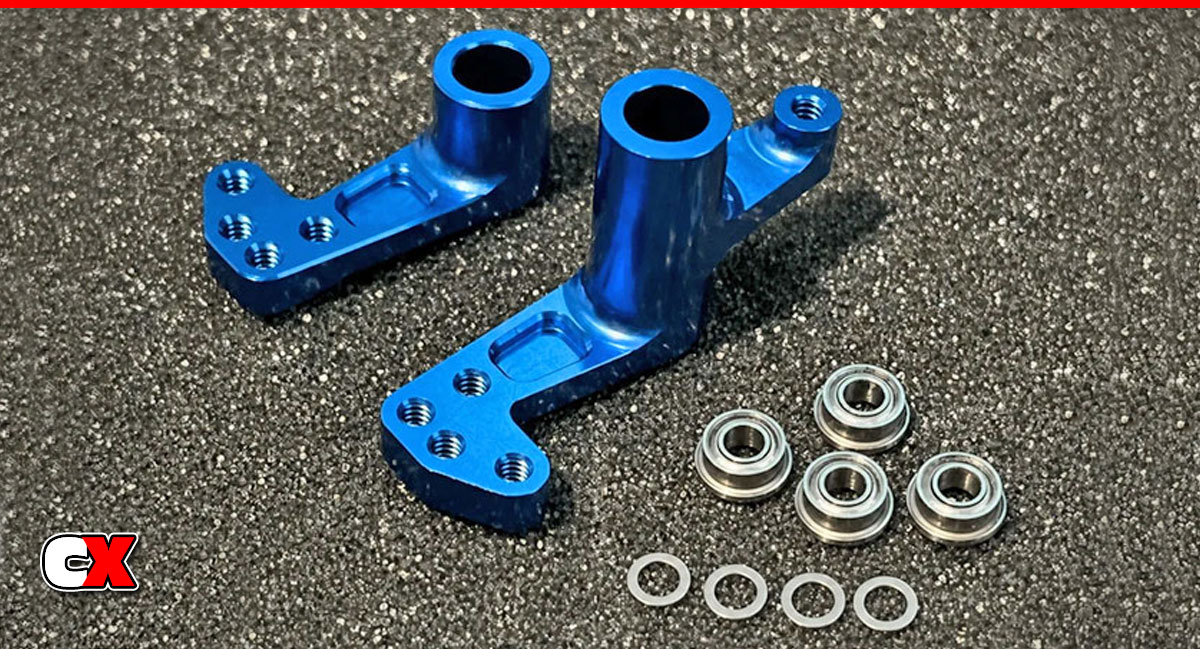
Moto Obscura released aluminum steering bellcranks for the Team Associated RC10B2, RC10B3 and RC10T3.
The system replaces the original plastic bellcranks and eliminates the factory servo saver. Bearings provide smooth movement, while included shims help builders achieve the correct fit. The parts are available with black or blue anodizing.
Removing the servo saver and increasing steering rigidity should produce a more direct response. However, it also transfers more impact force to the steering servo, so drivers should consider how and where the car will be used.
For a restored shelf car, the change may not matter. For vintage racing, it can provide more precise steering. For backyard driving with repeated curb contact, keeping some protection in the steering system may be the wiser plan.
The important trend is continued aftermarket support for older RC cars. Vintage enthusiasts increasingly want to drive and race their vehicles rather than leave them on display. Companies such as Moto Obscura are helping keep those cars usable after original parts have become difficult to find.
Link: Moto Obscura
Other Noteworthy Racing Parts
Several more specialized tuning parts appeared during the week.
Arena RC Racing introduced new components for the Infinity IF14 Speciale touring car. These include narrower front lower arms, carbon and forged-carbon chassis braces and a bulkhead reinforcement brace. The parts allow racers to change track width, chassis rigidity and steering response.
Link: Arena RC (Facebook)
Revolution Design released aluminum caster blocks for the Team Associated B7.1. The 7075 aluminum blocks increase rigidity, revise the ball-stud position and use an insert to provide additional setup adjustment.
Link: Revolution Design
Dim3nsion by JP introduced 1.5mm carbon top decks for the Serpent Medius X26. Standard and Wave versions provide different levels of chassis flex for lower-grip track conditions.
Link: Dim3nsion by JP
These parts are aimed mostly at experienced racers, but they all reinforce one of the week’s major themes: controlled flex and weight distribution remain two of the most important areas of modern RC chassis development.

