

RC Suspension Mounts Explained
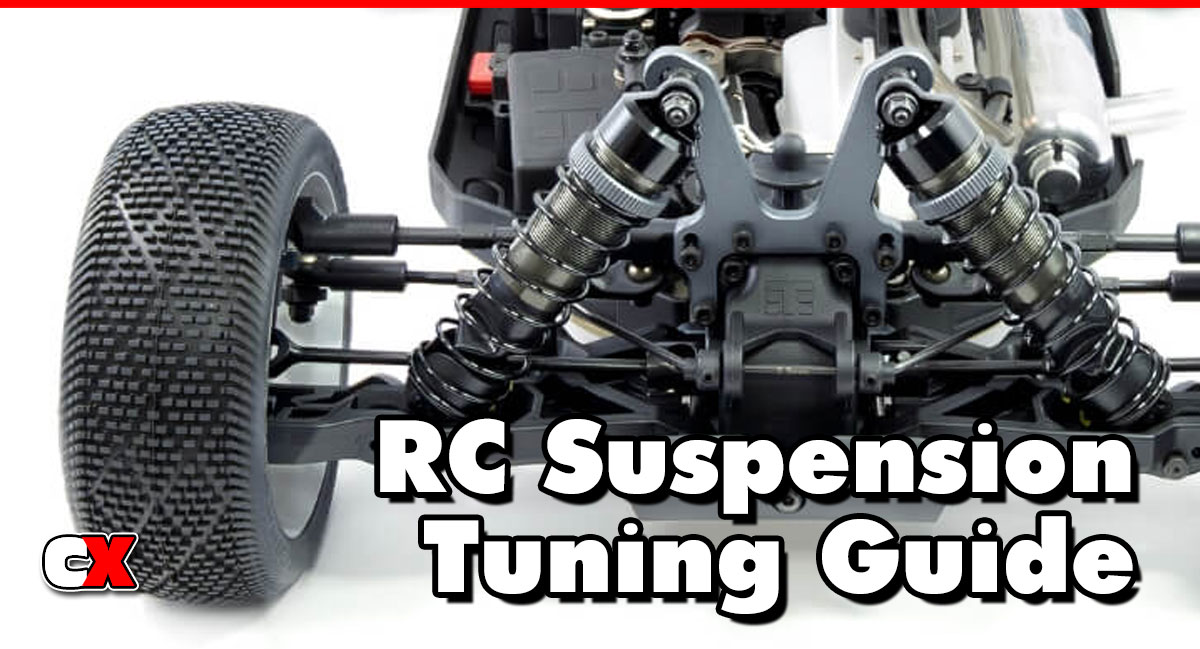
What Are Suspension Mounts?
Suspension Mounts are the blocks or braces that hold your suspension arms to the chassis. They define the hinge pin location for both the front and rear arms.
Most modern RC cars use multiple Suspension Mounts:
• Front inner mount (front arm pivot)
• Rear inner mount (rear arm pivot)
• Sometimes outer mounts (on some platforms)
These mounts are often labeled (A, B, C, D, etc.) and may include built-in angles or adjustments.
Many cars also use Suspension Mounts Inserts / Pills, which are small eccentric bushings that sit inside the mount. These allow for fine adjustments without replacing the entire mount.
How Do Suspension Mounts Affect Your Car?
Suspension Mounts control several key geometry settings all at once. Because of that, they have a major influence on handling.
1. Toe Angle (Front and Rear)
By moving the ends of the hinge pins in or out, Suspension Mounts can increase or decrease toe.
• More rear toe-in = more stability and forward traction
• Less rear toe-in = more rotation and corner speed
2. Anti-Squat (Rear)
Rear Suspension Mounts often control Anti-Squat.
• More Anti-Squat = better acceleration, less rear squat
• Less Anti-Squat = more rear grip on rough or loose surfaces
3. Kick-Up (Front)
Front Suspension Mounts set kick-up angle.
• More kick-up = smoother over bumps, more stability
• Less kick-up = sharper steering and faster response
4. Roll Characteristics
Because Suspension Mounts change arm angles, they influence how weight transfers through the chassis.
Suspension Mounts Inserts / Pills Explained
Suspension Mounts Inserts (also called Pills or Bushings) allow for fine tuning of hinge pin position inside the mount.
Each insert has an offset hole. Rotating it changes:
• Hinge pin height (up/down)
• Hinge pin position (in/out)
What Inserts Affect
Vertical changes (height):
• Higher hinge pin = less chassis roll, quicker response
• Lower hinge pin = more grip, more chassis roll
In/out changes:
• Hinge pin end in = more Toe
• Hinge pin end out = less Toe
Why They Matter
Instead of swapping entire Suspension Mounts, inserts let you:
• Make small, precise changes
• Fine-tune balance without drastic setup shifts
• Adjust for track conditions quickly
This is where advanced tuning happens.
How Do You Change Suspension Mounts?
Changing Suspension Mounts depends on your car design, but the process is usually straightforward:
1. Remove the Suspension Mount screws
2a. Replace with a different Suspension Mount
2b. Remove and replace the Insert / Pill
3. Re-install hinge pins and arms
4. Check alignment and free movement
Tips
• Always change one thing at a time
• Record your setup before making changes
• Make sure you’ve installed the same Insert / Pill on both sides
When To Change Suspension Mounts
You should adjust Suspension Mounts when you’re trying to solve specific handling issues or fine-tune performance for track conditions.
Increase Stability
• Add rear Toe-In via Suspension Mounts
• Increase Anti-Squat
Increase Steering / Rotation
• Reduce rear Toe-In
• Reduce Kickup or Anti-Squat
Improve Bump Handling
• Increase front Kickup
• Lower hinge pin height (via inserts)
Adjust for Track Conditions
High grip tracks:
• Less rear Toe-In
• Higher hinge pins
• Less Anti-Squat
Low grip tracks:
• More rear Toe-In
• Lower hinge pins
• More Anti-Squat
What To Check After Changing Suspension Mounts
Because Suspension Mounts affect multiple settings, you need to verify the rest of your setup after making changes.
1. Toe Settings
Changing mounts often changes Toe automatically. Re-measure and adjust if needed.
2. Ride Height
Geometry changes can slightly alter Ride Height.
3. Camber
Check Camber, especially after hinge pin height changes.
4. Wheelbase Consistency
Make sure both sides match exactly.
5. Suspension Binding
Ensure arms move freely after re-installation.
6. Driveshaft Alignment (for 4WD)
Extreme changes can affect drivetrain angles.
FAQ
Q: What’s the easiest way to start tuning Suspension Mounts?
A: Start with Inserts. They allow small changes without major setup disruption.
Q: Do Suspension Mounts make a big difference?
A: Yes. Even small changes can significantly affect handling, especially on high-grip tracks.
Q: Should beginners adjust Suspension Mounts?
A: Yes, but keep changes small. Focus on understanding one effect at a time.
Q: What’s more important: Suspension Mounts or Inserts?
A: Both work together. Mounts give you large changes, Inserts fine-tune them.
Q: How do I know if I went too far?
A: If the car becomes unpredictable, inconsistent or difficult to drive, revert to your previous setup.
Q: Are Suspension Mounts the same on all RC cars?
A: No. Each platform has its own layout, but the tuning principles are the same.
Related Tuning Adjustments
To get the most out of this setup change, review these related guides:
• Anti-Squat
• Camber Link Locations
• Roll Center
Back to the RC Suspension Tuning Guide.

