
RC Radio Channel Reversing Explained
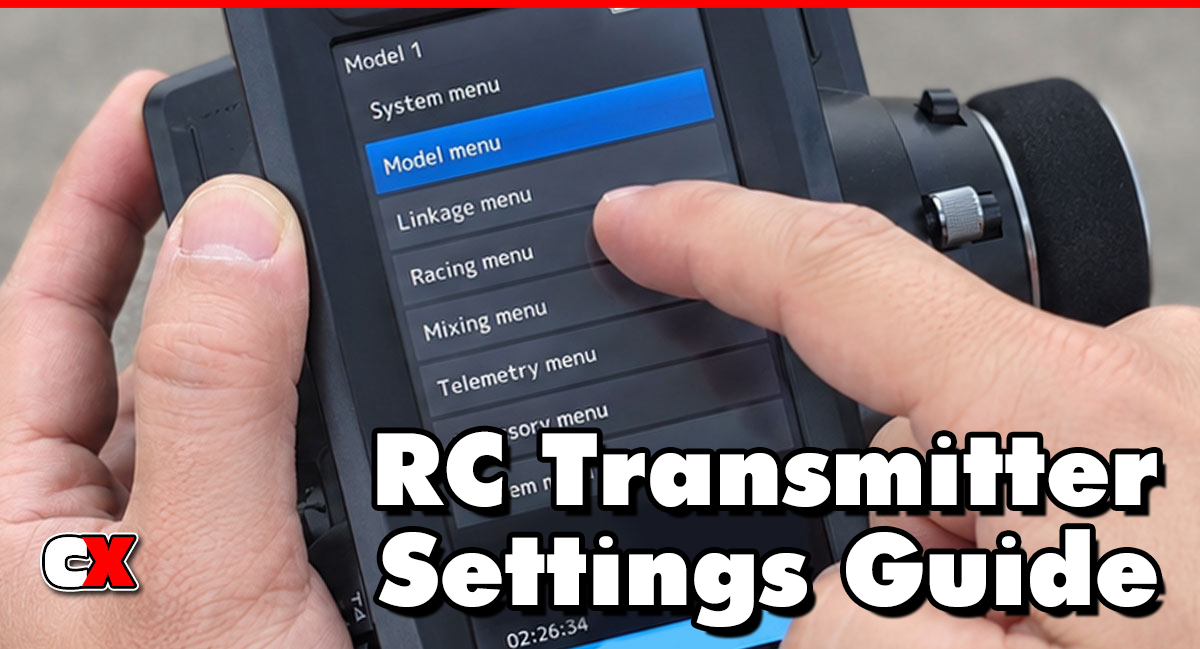
What Is Channel Reversing
Channel Reversing is a function in an RC radio system that changes the direction of a servo or electronic signal assigned to a specific channel. It is one of the first and most important settings you’ll adjust when setting up an RC car.
In simple terms, it flips the direction of movement for:
• Steering (left becomes right, right becomes left)
• Throttle (forward becomes reverse, reverse becomes forward)
Each channel on your transmitter, typically steering (Channel 1) and throttle (Channel 2), can be independently reversed. This setting does not change the amount of movement or performance. It only changes the direction of the response.
How Does Channel Reversing Affect Your Car
Channel Reversing directly affects how your car responds to your inputs.
Correct Setup
• Turn wheel right = car turns right
• Pull trigger = car accelerates forward
Incorrect Setup
Turn wheel right = car turns left
Pull trigger = car goes in reverse or applies brake
If Channel Reversing is wrong:
• The car becomes difficult or impossible to drive
• You risk crashing immediately
• Electronic components may behave unpredictably (especially ESC calibration)
Channel Reversing is not a tuning feature – it’s a baseline setup requirement.
Key Tip: Always set Channel Reversing for steering before adjusting trim, endpoints or dual rate. Throttle Channel Reversing must also be correct before calibrating your ESC. If it’s wrong during calibration:
• Forward and brake positions will be misread
• The car may not arm properly
• Performance will be inconsistent
How Do You Change Channel Reversing
Changing Channel Reversing is simple and done through your transmitter settings.
Basic Steps
1. Turn on your transmitter
2. Navigate to the “Reverse” or “Channel Reverse” menu
3. Select the channel:
• CH1 = Steering
• CH2 = Throttle
4. Toggle between:
• Normal (NOR)
• Reverse (REV)
5. Test the response immediately
What to Watch For
• Steering direction matches wheel input
• Throttle direction matches trigger input
• No delay or hesitation in response
Most modern radios allow quick access to Channel Reversing through a dedicated button or shortcut menu.
When To Change Channel Reversing
You should check or change Channel Reversing any time you:
• Install a new servo
• Replace or upgrade your ESC
• Switch to a new transmitter or receiver
• Bind a receiver to a different radio
• Reset your radio settings
• Build a new RC car from scratch
Even experienced drivers check Channel Reversing before the first run. It’s part of a proper pre-run checklist.
What to Check After Changing Channel Reversing
After adjusting Channel Reversing, verify the entire system.
Steering Checks
• Wheels turn in the correct direction
• Steering trim is centered
• No binding at full lock
Throttle Checks
• Forward, brake and reverse function correctly
• ESC arms properly
• Neutral position is stable (no creeping)
Safety Check
• Lift the car off the ground before testing throttle
• Ensure wheels spin in the correct direction
Calibration Check
If you changed throttle reversing:
• Recalibrate your ESC to match the new direction
Basic Channel Reversing vs Advanced Settings
Basic Channel Reversing
This is the standard use most drivers rely on.
• Flip direction of steering or throttle
• One setting per channel
• Quick and simple setup
• Used during initial build or setup
For most RC cars, this is all you need.
Advanced Channel Reversing Settings
Some high-end radios offer expanded control beyond simple reversing.
These may include:
• Per-model memory reversing
• Mixing-based reversing (used with dual servos or 4WS setups)
• Channel reassignment combined with reversing
• Independent reversing for multi-channel systems
Advanced setups are useful when:
• Running 4WS (four-wheel steering) using dual steering servos
Customizing complex race or crawler setups
For most drivers, advanced reversing is rarely needed, but it sometimes becomes important in specialized builds.
FAQ
Q: What happens if Channel Reversing is wrong?
A: Your controls will be inverted. Steering and throttle inputs will do the opposite of what you expect.
Q: Is Channel Reversing the same as servo direction?
A: Yes. Channel Reversing changes the direction the servo or ESC responds to your input signal.
Q: Do I need to adjust Channel Reversing often?
A: No. Once it’s set correctly, it usually stays the same unless you change electronics.
Q: Should I reverse the servo physically instead?
A: No. Always use Channel Reversing in your transmitter. It’s faster, cleaner and fully adjustable.
Q: Can Channel Reversing affect performance?
A: Not directly. It only changes direction, not speed, power or steering angle.
Q: Why does my ESC not arm after reversing throttle?
A: You likely need to recalibrate the ESC so it recognizes the correct forward and neutral positions.
Q: Does Channel Reversing affect trims or endpoints?
A: Yes. If you reverse a channel after setting trims or endpoints, those adjustments may feel backwards and need to be reset.
Back to the RC Transmitter Settings Guide.

