

RC Radio Fail-Safe Explained
What Is Fail-Safe?
Fail-Safe is a safety feature built into modern RC radio systems that tells the receiver what to do if it loses communication with the transmitter. If the radio signal is interrupted because of low transmitter batteries, interference, excessive distance, damaged electronics or a powered-off transmitter, the Fail-Safe settings automatically move the throttle and steering to predetermined positions.
In most RC cars, the primary purpose of Fail-Safe is to prevent the vehicle from driving away uncontrollably. The most common setup is to apply a small amount of brake or return the throttle to neutral whenever signal loss occurs.
Modern 2.4GHz radio systems from brands like Futaba, Sanwa, Spektrum and FlySky typically include built-in Fail-Safe functionality. Some systems allow only throttle Fail-Safe adjustments, while more advanced radios allow separate settings for throttle, steering, braking and auxiliary channels.
Fail-Safe is one of the most important safety settings in RC driving because it protects your vehicle, nearby people and surrounding property if communication between the transmitter and receiver is interrupted.
How Does Fail-Safe Affect Your Car?
Fail-Safe directly affects how your RC car behaves during signal loss. The settings determine whether the vehicle safely slows down, applies brakes, coasts or continues moving unintentionally.
Properly Configured Fail-Safe
When Fail-Safe is correctly configured:
• Electric RC cars usually return to neutral or apply light braking.
• Nitro and gas-powered RC cars return the throttle to neutral and often apply stronger braking to prevent runaway vehicles.
• Steering may return to center or hold its last known position.
• The vehicle becomes much safer during radio interference or power issues.
A properly configured Fail-Safe can prevent expensive crashes and dangerous situations.
Incorrectly Configured Fail-Safe
If Fail-Safe is not configured correctly:
• The car may stick to its last known position, potentially accelerating after signal loss.
• The vehicle could steer unpredictably.
• Nitro vehicles may continue idling or accelerating.
• Large-scale vehicles can become dangerous projectiles.
This is especially important with high-speed touring cars, large-scale RC vehicles, drag cars and heavy bashers capable of serious speed.
How Do You Change Fail-Safe?
The exact process varies depending on the radio system, but most modern transmitters follow a similar setup method.
Basic Fail-Safe Setup Process
Step 1: Turn On the Transmitter
Always power on the transmitter first before powering up the vehicle.
Step 2: Place Controls in Desired Positions
Move the steering and throttle to the positions you want during signal loss.
Typical examples:
• Throttle: Neutral or slight brake
• Steering: Straight ahead
• Auxiliary channels: Neutral position
Step 3: Enter the Receiver or Radio Fail-Safe Menu
Depending on the system, this may be located in:
• Receiver settings
• Link menu
• Radio system menu
• F/S menu
• Model setup menu
Step 4: Save the Fail-Safe Position
Most systems use either:
• A dedicated button on the receiver
• A menu command on the transmitter
• A bind-and-set procedure
Step 5: Test the System
Turn the transmitter off while the vehicle remains powered on.
Verify that:
• The throttle returns to neutral or brake
• The steering behaves correctly
• The vehicle does not accelerate
Never skip this testing process.
When To Change Fail-Safe
Fail-Safe settings should be checked any time major radio or drivetrain changes are made.
After Installing a New Receiver
Different receivers may use different default Fail-Safe behaviors. Some receivers default to neutral throttle, while others may hold the last command. Always reset and test Fail-Safe after receiver installation.
After Changing ESC or Servo Settings
Throttle trim, brake strength, endpoint adjustments and throttle calibration can all affect Fail-Safe behavior.
After Switching Vehicle Types
A touring car, crawler, drag car and nitro buggy all require different Fail-Safe behavior. Adjust settings to match the driving environment and vehicle speed.
After Firmware Updates
Some advanced radios reset or alter receiver settings during firmware updates.
Before Racing or Large Events
Checking Fail-Safe before a race day is good practice and can prevent dangerous situations on crowded tracks.
What to Check After Adjusting Fail-Safe
After adjusting Fail-Safe, several related settings should also be inspected.
Throttle Endpoints
Improper throttle endpoints can cause the vehicle to brake too aggressively or not enough during Fail-Safe activation.
ESC Calibration
Electric vehicles should have properly calibrated ESC throttle ranges to ensure predictable neutral and brake positions.
Brake Strength
Too much brake during Fail-Safe can cause spinning or instability, especially on high-traction surfaces.
Steering Center
Verify the steering returns to a stable position when Fail-Safe activates.
Receiver Antenna Placement
Poor antenna routing can reduce signal quality and trigger Fail-Safe unnecessarily.
Transmitter Battery Condition
Weak transmitter batteries are one of the most common causes of signal loss.
Receiver Power Stability
Loose battery connectors or weak BEC voltage can momentarily reset the receiver and trigger Fail-Safe.
Basic Fail-Safe vs Advanced Settings
Basic Fail-Safe Settings
Basic Fail-Safe setups usually focus only on throttle protection.
Common beginner settings include:
• Throttle to neutral
• Light brake application
• Steering centered
• No auxiliary channel adjustments
These settings are simple and effective for most RTR vehicles.
Advanced Fail-Safe Settings
Advanced radio systems allow significantly more control.
Advanced options may include:
• Separate channel Fail-Safe positions
• Adjustable brake percentages
• Steering hold or steering return speed
• Independent auxiliary channel Fail-Safe settings
• Fail-Safe delay timing
• Telemetry-triggered safety actions
• RPM or engine kill integration on gas vehicles
Competitive racers and large-scale drivers often fine-tune these settings for maximum control and safety.
Common Fail-Safe Mistakes
Using Full Brake
Too much brake can cause a touring car or buggy to spin violently when Fail-Safe activates.
Never Testing the System
Many drivers assume Fail-Safe works without verifying it. Always test by turning the transmitter off.
Forgetting Nitro Engine Behavior
Unlike electric vehicles, nitro engines continue running after signal loss. Brake settings are far more important on nitro vehicles.
Incorrect Receiver Binding
Some receivers store Fail-Safe settings during the binding process. Binding with incorrect trigger positions may create unsafe settings.
FAQ
Q: What does Fail-Safe do in an RC car?
A: Fail-Safe automatically moves the steering and throttle to preset positions if the receiver loses communication with the transmitter.
Q: Should Fail-Safe apply brakes or neutral throttle?
A: Most RC cars benefit from slight braking. Crawlers often use neutral throttle, while nitro and gas vehicles usually require stronger braking (in addition to complete engine cutoff).
Q: Can Fail-Safe stop a runaway RC car?
A: In many situations, yes. Properly configured, Fail-Safe can slow or stop the vehicle during signal loss.
Q: Does every RC radio have Fail-Safe?
A: Most modern 2.4GHz radio systems include some type of Fail-Safe functionality, although adjustment options vary.
Q: Why does my RC car activate Fail-Safe randomly?
A: Possible causes include:
• Weak transmitter batteries
• Receiver voltage drops
• Poor antenna placement
• Electrical interference
• Damaged receiver wiring
• Excessive driving distance
Q: Can Fail-Safe damage my drivetrain?
A: Excessive brake settings may stress drivetrain components if activated repeatedly at high speed.
Q: Should steering return to center during Fail-Safe?
A: Usually yes, although some advanced setups may hold the last steering position depending on the application.
Q: Is Fail-Safe important for electric RC cars?
A: Absolutely. Even electric vehicles can become dangerous if signal loss occurs at high speed.
Q: How often should I test Fail-Safe?
A: Testing before every race day or major driving session is highly recommended.
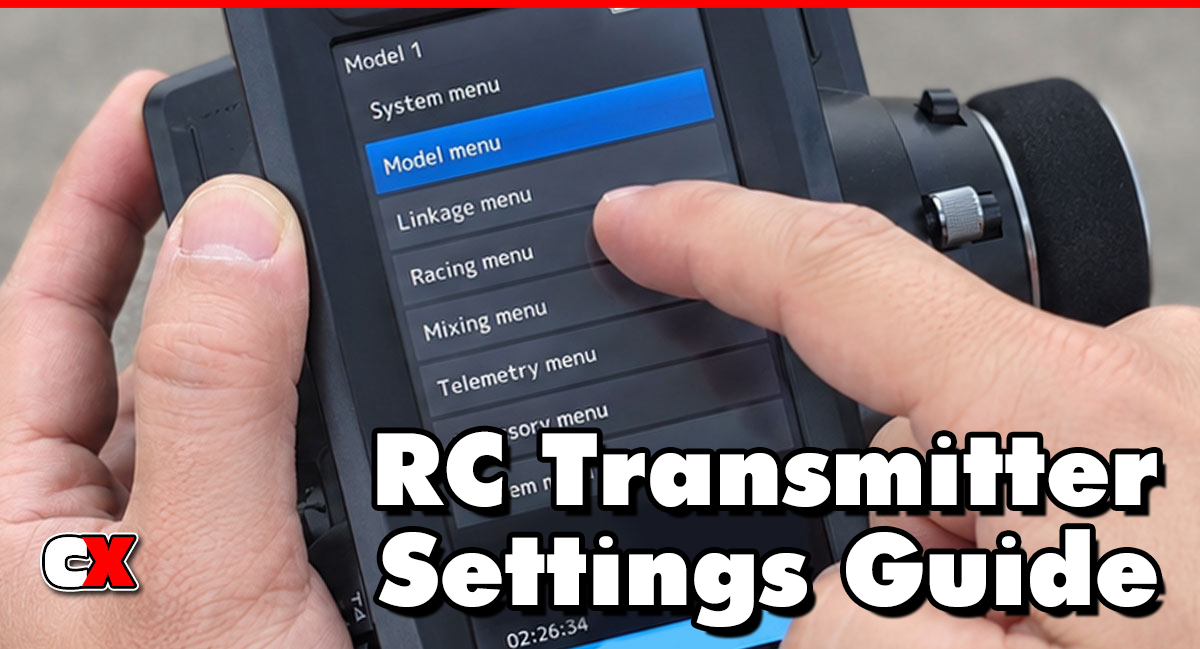
Back to the RC Transmitter Settings Guide.

