
RC Radio Engine Cut Explained
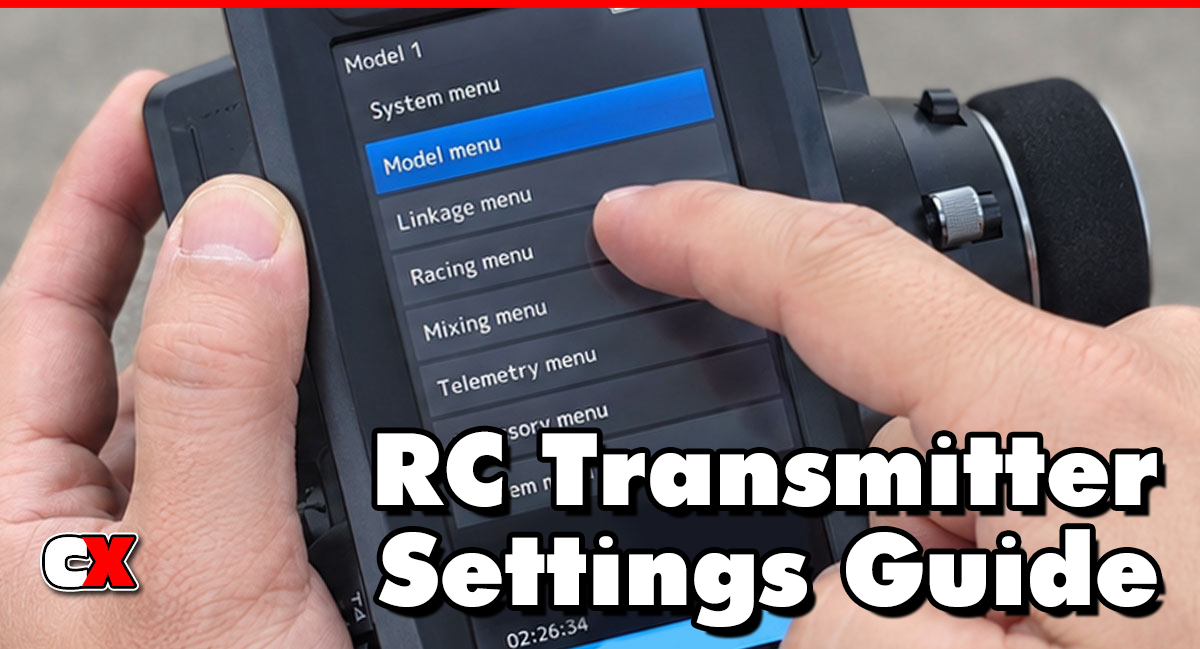
What Is Engine Cut?
Engine Cut is a safety and convenience feature found in many modern RC radio systems. It allows the driver to instantly shut down or disable throttle input using a dedicated switch or button on the transmitter. In nitro and gas-powered RC vehicles, Engine Cut is commonly used to stop the engine safely without pinching the fuel line or blocking the exhaust. In electric RC vehicles, a similar function may disable throttle output or activate a throttle lock.
On high-end transmitters such as the Futaba 10PX, Sanwa M17 or Spektrum DX5 Pro, Engine Cut can often be assigned to a switch, trigger position or programmable function menu.
The primary goal of Engine Cut is safety. Instead of reaching into any of the moving drivetrain parts, the driver can instantly stop the engine directly from the transmitter.
For nitro racers and large scale gas RC drivers, Engine Cut is one of the most important radio functions available.
How Does Engine Cut Affect Your Car?
Engine Cut mainly affects safety, control and convenience rather than vehicle handling characteristics. However, it can still influence how your RC vehicle behaves during operation.
Faster Engine Shutdown
The biggest advantage of Engine Cut is the ability to stop the engine immediately from the transmitter. This is especially useful if:
• The car becomes stuck
• The throttle servo malfunctions
• The vehicle crashes or flips upside down
• The engine overheats
• A runaway situation occurs
• The clutch becomes jammed
Instead of chasing the car or manually stopping the engine, the driver can safely disable throttle operation instantly.
Improved Safety
Nitro and gas RC vehicles contain moving drivetrain parts that can cause injury. Engine Cut reduces the need to place your hands near:
• Spur gears
• Clutch bells
• Flywheels
• Driveshafts
• Tires
A properly configured Engine Cut can also prevent accidental throttle application while handling the vehicle.
Prevents Runaway Vehicles
If the throttle linkage sticks or the throttle trim becomes incorrect, Engine Cut provides a backup method to stop the vehicle before damage occurs.
Many experienced nitro tracks consider Engine Cut mandatory for this reason alone.
Helps Protect the Drivetrain
Stopping the engine quickly after a crash can reduce wear on:
• Clutches
• Spur gears
• Differentials
• Tires
• Drivetrain components
If the wheels are blocked but the engine continues spinning, unnecessary heat and stress can build up quickly.
How Do You Change Engine Cut?
The exact process depends on your RC radio system, but most modern radios allow Engine Cut setup through the transmitter menu.
Step 1: Open the Function Menu
Navigate to:
• Function Menu
• Auxiliary Functions
• Throttle Functions
• Engine Cut Menu
Some radios may label this feature as:
• Engine Stop
• Throttle Cut
• Kill Switch
• Throttle Lock
Step 2: Assign Engine Cut to a Switch
Choose a convenient switch location on the transmitter.
Common options include:
• Push button
• Two-position switch
• Momentary switch
Most racers prefer a location that is easy to reach quickly without removing their hand from the wheel.
Step 3: Set the Throttle Position
When Engine Cut activates, the radio sends a preset throttle command.
Typical settings include:
• Full brake
• Neutral
• Carburetor closed position
• Ignition cutoff position
For nitro vehicles, Engine Cut usually forces the throttle servo to fully close the carburetor.
For larger gas vehicles, Engine Cut may activate an electronic ignition kill switch.
Step 4: Test the System Safely
Always test Engine Cut:
• With the wheels off the ground
• Away from people
• With proper fail-safe settings enabled
Verify:
• The throttle fully closes
• The engine shuts down correctly
• No servo binding occurs
• The linkage moves smoothly
When To Change Engine Cut
Engine Cut settings may need adjustment depending on the vehicle type, radio setup and driving conditions.
When Installing a New Radio System
Every transmitter and receiver combination may interpret throttle endpoints differently. Always recheck Engine Cut after:
• Installing a new radio
• Replacing a receiver
• Updating firmware
• Changing throttle servos
When Changing Throttle Linkage Geometry
If you modify:
• Servo horn length
• Linkage position
• Carburetor linkage
• Brake linkage
…the previous Engine Cut position may no longer fully close the throttle.
When the Engine Does Not Fully Stop
If the engine continues idling after activating Engine Cut:
• Increase servo travel
• Reposition linkage
• Adjust EPA settings
• Verify throttle trim
When Using Large Scale Gas Vehicles
Gas-powered RC vehicles often use electronic kill switches. These systems should be checked regularly because vibration can loosen connectors or switches.
Before Competitive Racing
Racers should verify Engine Cut functionality before every race day.
A failed Engine Cut setup can:
• Damage the vehicle
• Cause safety issues
• Lead to disqualification at some tracks
What to Check After Adjusting Engine Cut
After adjusting Engine Cut, several related settings should always be inspected.
Throttle End Point Adjustment (EPA)
Make sure Engine Cut does not exceed safe servo travel limits.
Too much travel can:
• Stall the servo
• Damage linkage parts
• Drain receiver batteries
• Cause binding
Brake Linkage
On nitro vehicles, brake linkage and throttle linkage often interact together. Verify:
• Brakes still work properly
• The carburetor fully closes
• Brake drag is not introduced
Fail-safe Settings
Fail-safe and Engine Cut should work together.
If signal loss occurs:
• The throttle should return to brake or neutral
• The engine should shut down safely
Never rely on only one safety system.
Throttle Trim
Improper trim settings may prevent Engine Cut from fully stopping the engine.
Always verify:
• Neutral position
• Idle gap
• Carburetor opening
• Servo centering
Servo Health
Weak or damaged servos may not consistently activate Engine Cut correctly.
Watch for:
• Servo chatter
• Slow response
• Inconsistent movement
• Binding
Basic Engine Cut vs Advanced Settings
Basic Engine Cut Settings
Most beginners only need a simple setup:
• One assigned switch
• Full throttle close position
• Basic on/off functionality
This setup works well for:
• Recreational bashers
• Beginner nitro racers
• Backyard driving
• Simple radio systems
The primary goal is quick and safe engine shutdown.
Advanced Engine Cut Settings
Advanced users may combine Engine Cut with:
• Fail-safe programming
• Telemetry warnings
• Multi-position switches
• Throttle conditions
• Ignition kill systems
• Dual-rate throttle profiles
Competitive racers sometimes create custom Engine Cut profiles for:
• Pit lane speed control
• Launch procedures
• Emergency shutdowns
• Different driving modes
Some advanced radios even allow:
• Delay timers
• Trigger activation percentages
• Separate brake and throttle overrides
These advanced settings are mostly used in high-level nitro and large scale racing.
FAQ
Q: Is Engine Cut only for nitro RC cars?
A: No. Engine Cut is most common on nitro and gas vehicles, but electric RC vehicles can also use similar throttle disable functions.
Q: Does Engine Cut replace Fail-safe?
A: No. Engine Cut and Fail-safe are different systems. fail-safe activates automatically during signal loss, while Engine Cut is manually activated by the driver.
Q: Can Engine Cut damage my servo?
A: Incorrect settings can damage a servo if excessive travel causes binding. Always verify smooth linkage movement.
Q: What switch should I use for Engine Cut?
A: Most drivers prefer a switch or button that can be reached quickly without moving their hands far from the steering wheel.
Q: Should Engine Cut fully apply brakes?
A: Usually no. Most setups only close the carburetor or disable throttle. Applying too much brake may create unnecessary drivetrain stress.
Q: Why will my engine not stop completely?
A: Possible causes include incorrect linkage adjustment, throttle trim problems, insufficient EPA or that your static carburetor idle gap is set too high.
Q: Is Engine Cut important for racing?
A: Yes. Many experienced racers consider Engine Cut an essential safety feature, especially for nitro and large scale vehicles.
Back to the RC Transmitter Settings Guide.

