

RC Car Build Types Explained: Kit vs RTR vs ARTR
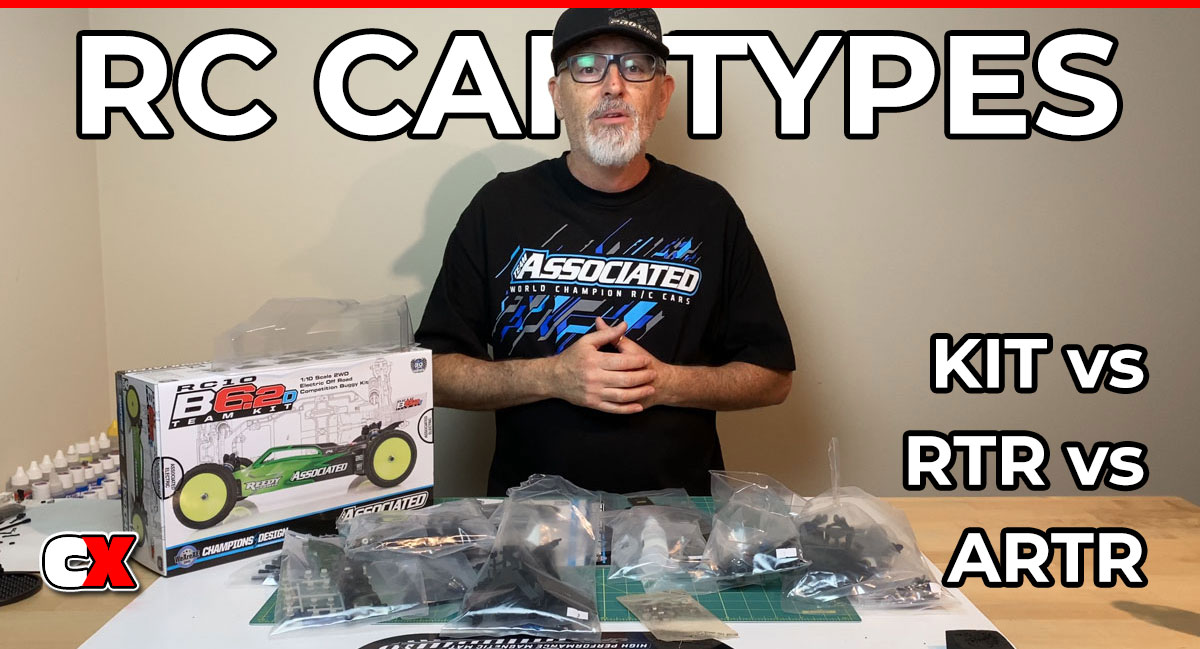
Getting into RC cars is exciting but, before you even pick a model, you’ll run into one of the most confusing decisions in the hobby:
Should you buy a Kit, RTR or ARTR?
These three build types define how much work is required before your first drive, how much control you have over the final setup and how quickly you can get to driving!
If you choose wrong, you could end up:
• Overwhelmed by a full build
• Stuck with electronics you don’t want
• Spending more money than expected
• Or worse… not enjoying the hobby
This guide breaks it all down in plain English so you can confidently choose the right path.
What Are RC Car Build Types?
RC cars generally come in three formats:
• Kit (Unassembled)
• RTR (Ready-To-Run)
• ARTR (Almost Ready-To-Run)
Each option is built for a different type of user, from total beginners to experienced racers.
At a basic level:
• RTR = Drive immediately
• Kit = Build everything yourself
• ARTR = Middle ground
These categories exist because RC cars are modular machines. Unlike toy-grade cars, hobby-grade RC vehicles are designed with separate components – motor, ESC, radio, servo – so you can upgrade or replace them individually over time .
RC Car Kits (Full Build)
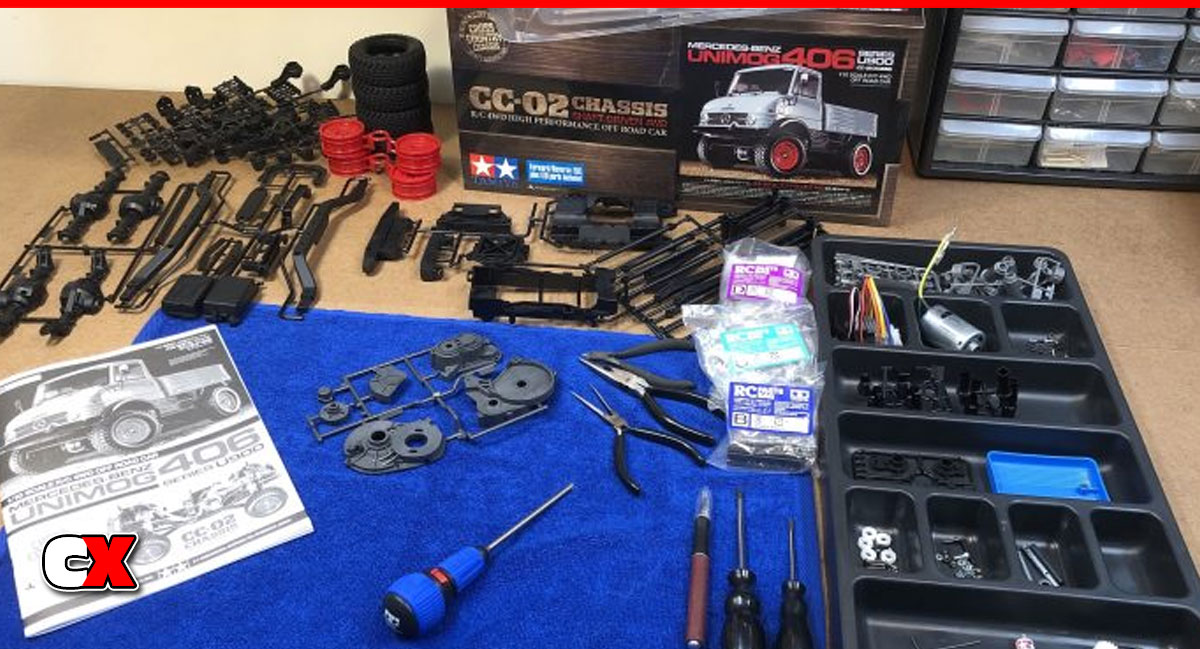
What Is an RC Car Kit?
An RC car kit is exactly what it sounds like: a box full of parts that you assemble from scratch.
You’ll typically get:
• Chassis components
• Suspension parts
• Drivetrain pieces
• Hardware and instructions
You won’t get:
• Motor
• ESC (speed controller)
• Servo
• Radio system
• Battery or charger
You are responsible for choosing and installing all of that.
Build time is usually around 4-8 hours, depending on experience .
Why Choose a Kit?
Kits are designed for hobbyists who want complete control and understanding of their RC car.
Key Advantages
1. You learn everything
You’ll understand how every component works. That knowledge pays off when something breaks – and it will.
2. Total customization
You choose every electronic component. Want a high-end brushless system? Go for it.
3. Easier maintenance
Since you built it, you already know how to take it apart.
4. Higher performance potential
Many race-level vehicles are only available as kits.
Downsides of Kits
1. Time commitment
You’re not driving today – you’re building today.
2. Steeper learning curve
Mistakes during assembly can affect performance.
3. Higher total cost (usually)
Once you add electronics, kits often cost more than RTR models .
4. Requires tools and workspace
You’ll need basic tools and a place to build.
Who Should Buy a Kit?
Choose a kit if:
• You enjoy building and tinkering
• You want maximum customization
• You plan to race or tune performance
• You want to truly understand your RC car
Avoid kits if:
• You just want to drive right away
• You’re not comfortable assembling mechanical parts
• You don’t want to research electronics
RTR RC Cars (Ready-To-Run)
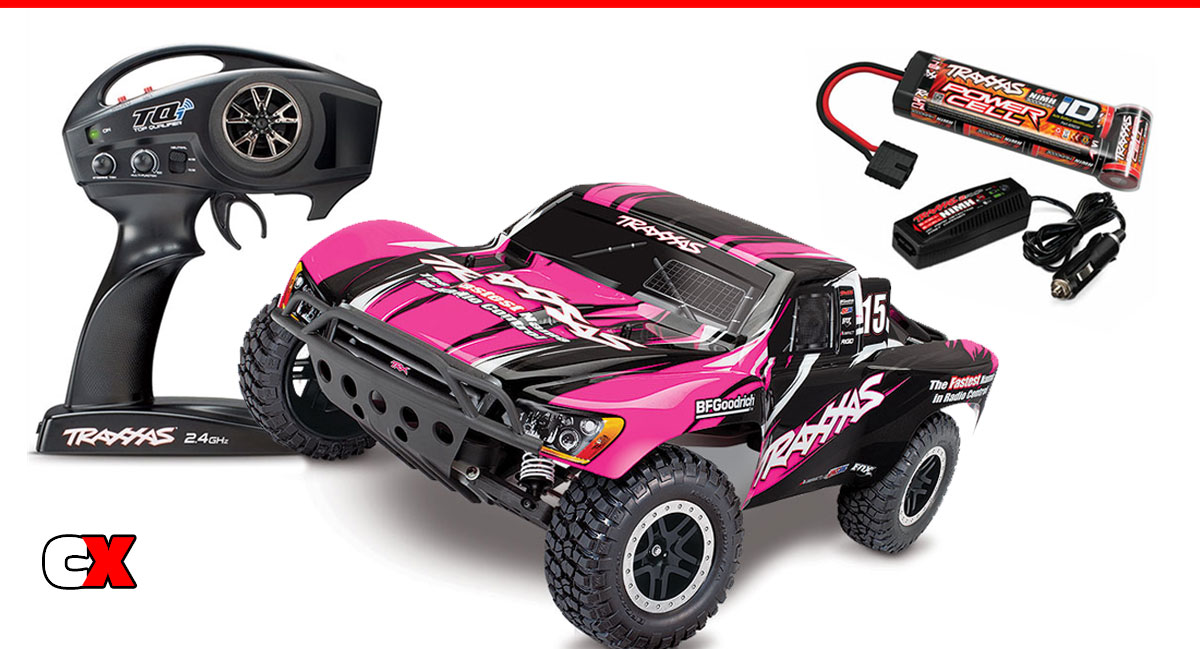
What Is an RTR RC Car?
RTR stands for Ready-To-Run. These vehicles come:
• Fully assembled
• Electronics installed
• Pre-tuned from the factory
In most cases, you only need to:
• Charge the battery
• Install batteries in the transmitter
• Turn it on and drive
RTR cars dominate the market today because they’re accessible and convenient .
What’s Included in an RTR?
Most RTR packages include:
• Motor (brushed or brushless)
• ESC
• Steering servo
• Transmitter and receiver
• Pre-built chassis
• Pre-painted body and glued wheels and tires
Some also include:
• Battery
• Charger (often basic)
Why Choose RTR?
RTR is the easiest way to get into the hobby.
Key Advantages
1. Instant gratification
You can drive within minutes of opening the box.
2. Beginner-friendly
No assembly mistakes, no guesswork.
3. Lower upfront complexity
Everything is matched and tested by the manufacturer.
4. Great value
Manufacturers bundle electronics at lower cost than buying separately .
Downsides of RTR
1. Limited customization upfront
You’re stuck with included electronics (at first).
2. Learning curve comes later
You’ll still need to learn repairs eventually.
3. Electronics may be “average”
RTR components are usually solid, but not top-tier.
4. Some packages are misleading
Not all RTRs include batteries or chargers – always check.
Who Should Buy RTR?
Choose RTR if:
• You’re new to RC cars
• You want to start driving immediately
• You don’t want to build from scratch
• You’re buying for a younger user
RTR is the best starting point for most people.
ARTR RC Cars (Almost Ready-To-Run)
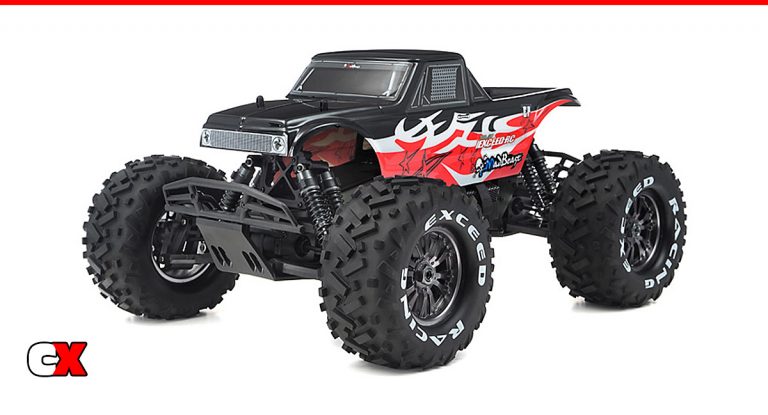
What Is ARTR?
ARTR stands for Almost Ready-To-Run. These vehicles come:
• Fully assembled chassis
• No electronics (or partial electronics)
In most cases you’ll need to install:
• Motor
• ESC
• Servo
• Radio system
• Battery
Think of ARTR as a pre-built rolling platform waiting for your electronics.
Why Choose ARTR?
ARTR exists for hobbyists who want:
• No build time
• Full control over electronics
Key Advantages
1. Skip the build
No hours of assembly.
2. Choose your electronics
Perfect for performance-focused setups.
3. Faster path to a custom car
You get the best of both worlds.
Downsides of ARTR
1. Still requires knowledge
You need to understand electronics compatibility.
2. Not beginner-friendly
Choosing the wrong components can cause problems.
3. Cost can add up quickly
High-end electronics aren’t cheap.
Who Should Buy ARTR?
Choose ARTR if:
• You don’t want to build a kit
• You want better electronics than RTR offers
• You already understand RC systems
Avoid ARTR if you’re completely new to RC cars.
How to Choose the Right RC Build Type (Condensed)
Here’s the simplest way to decide:
Choose RTR if:
• You want to drive today
• You’re new to the hobby
• You want a simple, stress-free start
Choose Kit if:
• You enjoy building
• You want full control
• You plan to race or tune performance
Choose ARTR if:
• You hate building
• But still want custom electronics
• And you understand RC systems
Common Beginner Mistakes
1. Thinking kits are cheaper
They rarely are. Once you add electronics, kits usually cost more .
2. Assuming RTR includes everything
Always check the box contents.
3. Under-estimating build time
A “4-hour build” can turn into a full weekend.
4. Choosing ARTR too early
ARTR requires knowledge many beginners don’t yet have.
FAQ
Q: What is better for beginners: Kit or RTR?
A: RTR is better for beginners. It eliminates assembly and lets you start driving immediately while learning the basics.
Q: Are RC kits worth it?
A: Yes, if you enjoy building and want full control over your setup. Kits are ideal for hobbyists who want to understand their car and maximize performance.
Q: Is ARTR good for beginners?
A: Not usually. ARTR requires choosing and installing electronics, which can be confusing without experience.
Q: Do RTR cars need assembly?
A: Very little. Most require only battery installation and basic setup.
Q: Are RTR electronics good quality?
A: They are generally reliable and well-matched, but not high-end. Most users upgrade over time.
Q: Can you upgrade an RTR car?
A: Yes. RTR vehicles are fully upgradeable. Many hobbyists replace electronics over time.
Q: How long does it take to build an RC kit?
A: Typically 4-8 hours, depending on experience .
Q: What tools do I need for a kit?
A: Basic tools include:
• Hex drivers
• Screwdrivers
• Pliers
• Side cutters
Q: What does ARTR usually not include?
A: In most cases, you still need to get the:
• Motor
• ESC
• Servo
• Radio system
• Battery

