

Electric vs Nitro RC Cars: Which One Should You Choose?
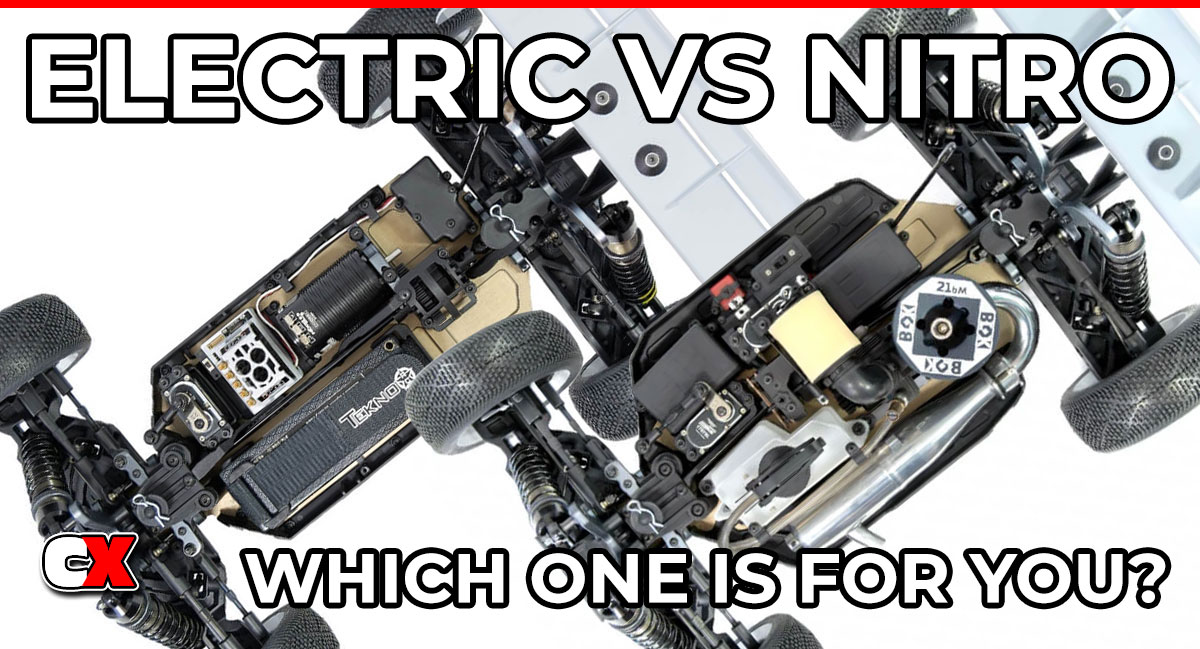
If you’re new to the RC hobby, one of the first decisions you’ll face is whether to choose an electric or nitro-powered RC car. At first glance, both offer speed, excitement and customization, but they deliver very different experiences.
Electric RC cars are clean, quiet and easy to use. Nitro RC cars, on the other hand, are loud, mechanical and more hands-on. While both have their place in the hobby, most beginners will find electric RC cars easier to start with, maintain and enjoy right away. That said, nitro still holds a strong appeal for those who want realism and a deeper mechanical connection.
What Is an Electric RC Car?
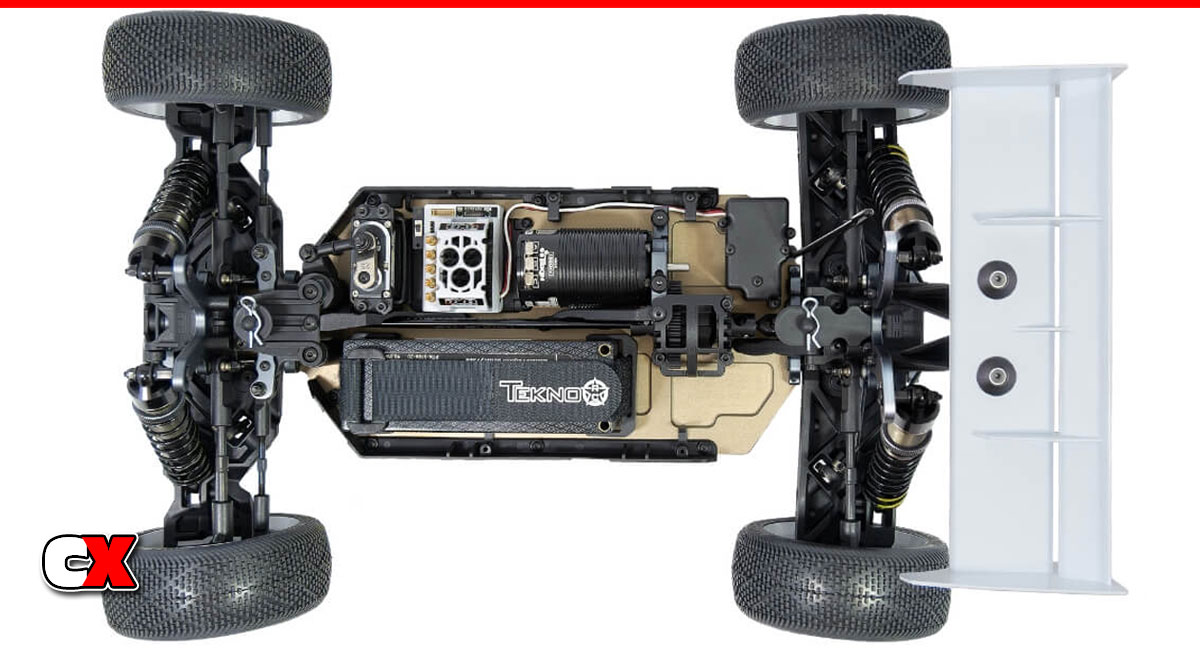
Electric RC cars are powered by rechargeable batteries and use an electric motor to drive the wheels. These are the most common type of RC vehicles on the market today – and for good reason.
There are two main types of electric motors:
• Brushed motors – Simple, affordable and beginner-friendly
• Brushless motors – More powerful, efficient and faster
Electric cars are typically paired with either:
• NiMH batteries (Nickel-Metal Hydride) – Great for beginners
• LiPo batteries (Lithium Polymer) – Higher performance, lighter weight, more power
To operate an electric RC car, you simply charge the battery, plug it in and go. There’s no fuel, no engine tuning and minimal setup required.
Why Electric RC Cars Are So Popular
Electric RC cars dominate the hobby because they offer:
• Instant throttle response
• Low maintenance requirements
• Quiet operation
• Easy learning curve
For beginners, this means more time driving and less time troubleshooting.
Shop Electric RC Cars
Check Price: www.AMainHobbies.com
What Is a Nitro RC Car?
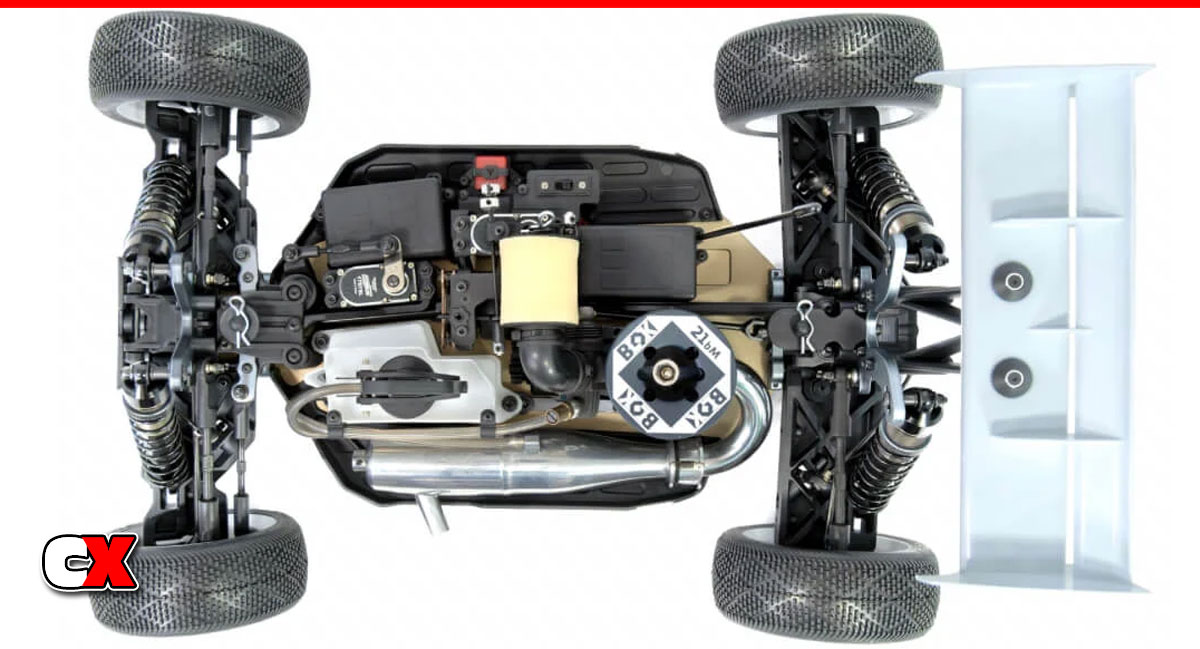
Nitro RC cars are powered by small internal combustion engines that run on a special fuel mixture made of methanol, nitromethane and oil. These engines operate much like real gasoline engines, complete with carburetors, exhaust systems and moving mechanical parts.
Unlike electric cars, nitro vehicles require:
• Fuel refills
• Engine tuning
• Starting equipment (glow igniter, starter box or pull start)
• Regular cleaning and maintenance
Nitro cars produce real engine noise, exhaust smoke and a more realistic driving experience. For many hobbyists, that realism is the main attraction.
The Nitro Experience
Driving a nitro RC car feels closer to operating a real vehicle. You’ll need to:
• Tune the engine for performance
• Adjust the carburetor for weather conditions
• Monitor engine temperature
• Perform routine maintenance
This makes nitro more complex, but also more rewarding for those who enjoy hands-on mechanics.
Shop Nitro RC Cars
Check Price: www.AMainHobbies.com
Electric RC Cars: Pros and Cons
Pros
1. Easy to Use
Electric RC cars are simple. Charge the battery, plug it in and drive. No complicated startup process.
2. Low Maintenance
There’s no engine to tune or fuel system to clean. Maintenance is mostly limited to keeping parts clean and checking for wear.
3. Quiet Operation
Electric cars are much quieter than nitro models, making them ideal for neighborhoods, parks and indoor use.
4. Clean and Convenient
No fuel spills, no exhaust residue and no strong smells.
5. Fast and Powerful
Modern brushless systems can outperform many nitro cars in speed and acceleration.
6. Beginner-Friendly
The learning curve is minimal, making electric the best entry point for most people.
Cons
1. Limited Runtime
You’re limited by battery capacity. Once the battery is drained, you need to recharge or swap packs.
2. Charging Time
Charging batteries can take anywhere from 30 minutes to a few hours depending on your setup.
3. Less “Realistic” Feel
Electric cars lack the sound and mechanical behavior of real engines.
Nitro RC Cars: Pros and Cons
Pros
1. Realistic Engine Experience
Nitro cars sound, smell and behave like real vehicles. This adds immersion and excitement.
2. Longer Run Times
As long as you have fuel, you can keep running. Refueling takes seconds.
3. Mechanical Engagement
If you enjoy tuning engines and working on machines, nitro delivers a hands-on experience.
Cons
1. Steep Learning Curve
Nitro cars require knowledge of engine tuning, fuel mixtures and maintenance.
2. High Maintenance
You’ll need to clean, tune and maintain the engine regularly.
3. Messy Operation
Fuel spills, exhaust residue and oil buildup are part of the nitro experience.
4. Noise and Restrictions
Nitro cars are loud and may not be suitable for all locations.
5. More Things Can Go Wrong
Engine tuning issues, overheating and starting problems are common for beginners.
Real-World Use Cases
Backyard Bashing
Electric cars are the clear winner here. They’re easy to grab and run without preparation. Perfect for quick sessions.
Track Racing
Both types can be used, but electric is far more common in modern racing due to consistency and lower maintenance.
Long Sessions
Nitro cars have the advantage if you want extended runtime without waiting for batteries to charge.
Mechanical Hobbyists
If you enjoy tinkering, nitro offers more depth and engagement.
Which Should You Choose?
Choose Electric If:
• You are new to RC
• You want a simple, reliable experience
• You prefer less maintenance
• You plan to drive frequently and casually
• You want maximum performance with minimal effort
Choose Nitro If:
• You enjoy working on engines
• You want a realistic driving experience
• You don’t mind maintenance and tuning
• You have space where noise isn’t an issue
The Reality for Beginners
Most beginners should start with electric RC cars. They are:
• Easier to learn
• More reliable
• Less frustrating
• More widely supported
Nitro can be incredibly fun, but it’s better suited for hobbyists who already understand RC basics or specifically want the engine experience.
FAQ
Q: Are electric RC cars faster than nitro?
A: Yes, in most cases. Modern brushless electric systems can deliver faster acceleration and higher top speeds than many nitro setups.
Q: Are nitro RC cars harder to maintain?
A: Yes. Nitro cars require engine tuning, cleaning and regular maintenance, which can be challenging for beginners.
Q: How long do electric RC cars run?
A: Typically 10–30 minutes depending on the battery and driving style. Spare batteries can extend runtime.
Q: How long do nitro RC cars run?
A: As long as you have fuel. A single tank usually lasts 10-15 minutes, and refueling is quick.
Q: Which is better for beginners?
A: Electric RC cars are better for beginners due to their simplicity, reliability and ease of use.
Q: Do nitro cars require special fuel?
A: Yes. Nitro cars use a specific fuel blend made for RC engines.
Q: Can you use electric RC cars anywhere?
A: Generally yes, especially in parks and neighborhoods, since they are quiet and clean.
Q: Are nitro RC cars worth it?
A:Absolutely, if you enjoy mechanical tuning and want a realistic engine experience. Otherwise, electric is usually the better choice.

