
Brushless Motor Rotor Tuning Explained: Speed vs Torque Breakdown
Before brushless motors were around, there was quite a bit of maintenance we had to perform on our motors to keep them fresh and running strong. The pits would be filled with comm cutters, comm cleaning sticks, a variety of brush compounds and loads of springs bent with different tensions. On top of that, there was a secret combination of all of those that would extract the super duper power we’d need to win a race. Racing was not just about driving, but about motor maintenance as well.
Then came the brushless motor. Yes, I know some of you are wondering how RC even existed before brushless (I wonder the same sometimes), but this technology changed the entire racing scene.
One question I get a lot is if there are any go-fast tips a general user can do to their motor to gain an advantage. The answer is yes, but unfortunately (or fortunately, depending on how you look at it) it’s one tuning factor that isn’t very well known.
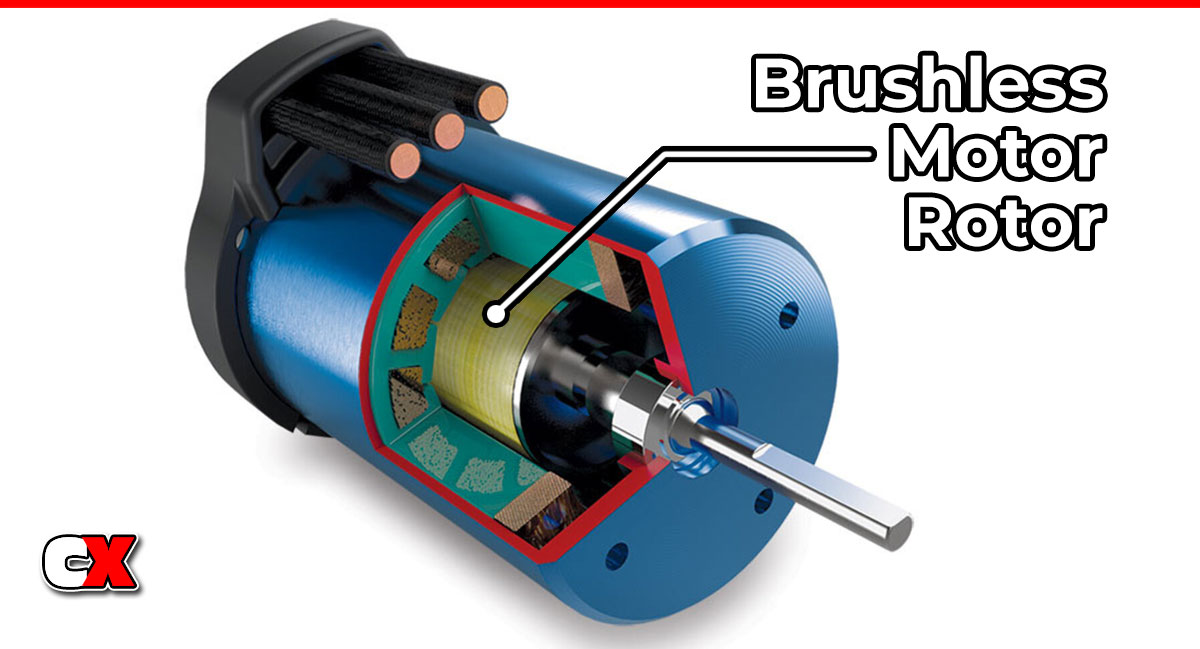
We’re talking about the internal rotor – basically the round magnet attached to the motor shaft. Changing this rotor can actually change the way your motor runs and, while I know enough about rotors to give you an idea of what the changes will do, I thought that an explanation from one of the leading brushless motor manufacturers would probably be best – you know, since they kind of have a bit of data to back up their words.
A while back I spoke with LRP’s very own Reto König about this very thing. At the time, Reto was LRP’s Project Manager and has been an instrumental part in quite a bit of LRP’s product line. We talked, I took notes and this is the rundown on changing out a rotor in your brushless motor.
Rotor types:
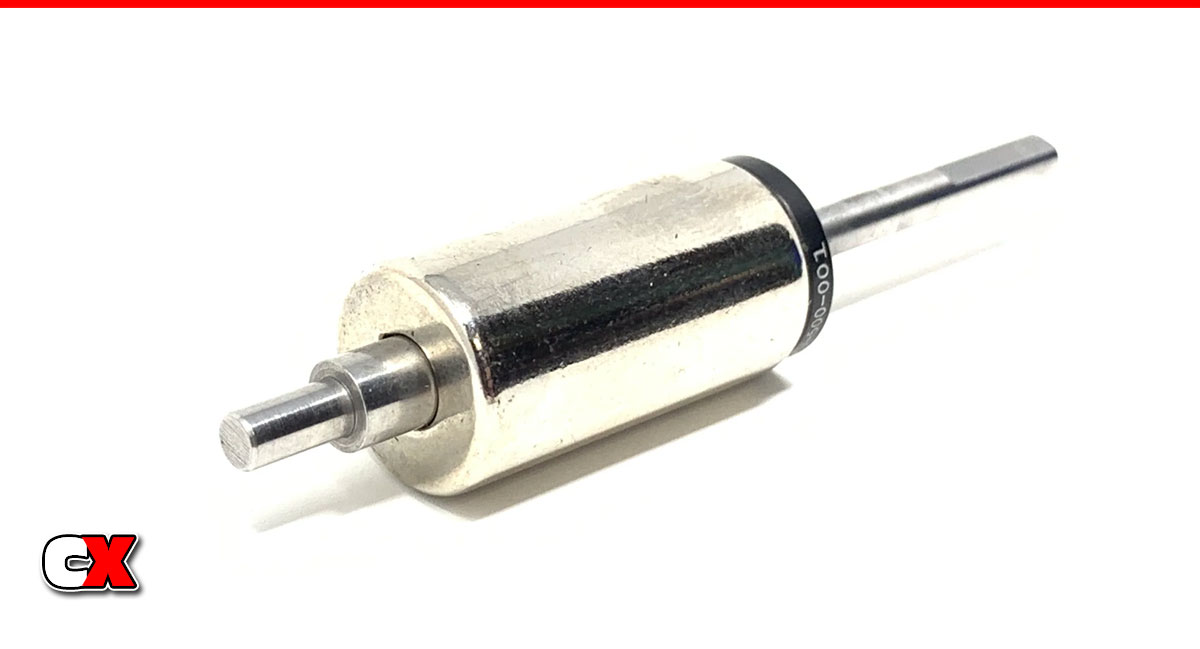
Usually the rotor, which is supplied as standard with modern brushless motors, is a pretty good compromise and “universal fit” for most classes. Nevertheless some further performance can be achieved by fine tuning the motors characteristics using optional rotors with different sizes or properties.
Rules of thumb:
Lighter cars (1/12, WGT) require “weaker” magnets than heavier cars (TC, 4WD). These types of cars benefit from higher RPMS, thus the weaker magnets.
Lower battery voltage (e.g. 1S LiPo) requires a “weaker” magnet.
When changing the rotor, the speed-controls drag brake and gearing needs to be adjusted.
• weaker magnet = more drag brake + lower gear ratio
• stronger magnet = less drag brake + bigger gear ratio
Changing the rotors characteristics (“weak vs. strong”) can be achieved in different ways. These are:
• Change rotor outer diameter (for example, 12.0mm is weaker than 12.5mm)
• Change rotor inner diameter (for example, a bigger hole makes a weaker magnet than a smaller hole)
• Different magnet grade but having same size of magnet.
• Change the shaft material.
All these can affect the magnetic characteristics of the motor. Most manufacturers typically offer rotors with different outer diameters, meaning rotor inner diameter and shaft material options can be disregarded in most cases.
| Magnet Type | Weak (e.g. 12.0mm) | Medium (e.g. 12.5mm) | Strong (e.g. 13.0mm) |
|---|---|---|---|
| RPM | + | O | - |
| Torque | - | O | + |
| Efficiency 2S | O | O | + |
| Efficiency 1S | + | O | - |
| Temperature | O | O | + |
| Natural Drag Brake | - | O | + |
Motor Timing:
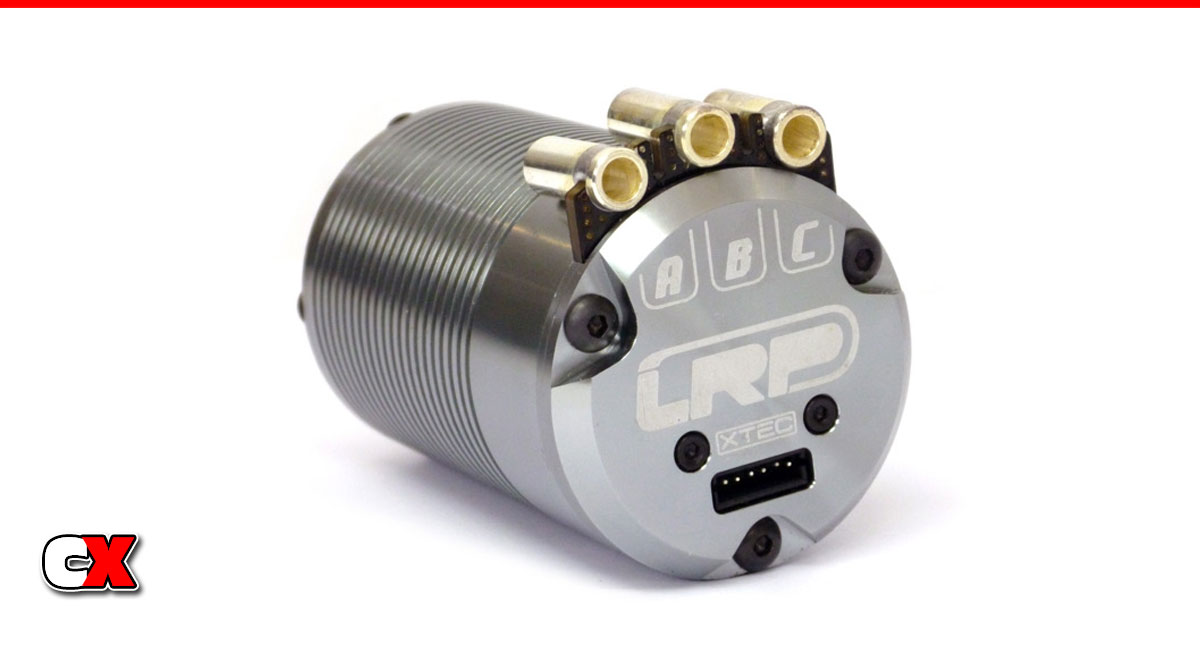
There is no “good” or “bad” motor timing. Motor timing needs to match the speed-control settings and gear ratio. Unfortunately there is no industry standard for motor timing so manufacturers refer to “zero” at different points. Oddly enough, some manufacturers refer to 30° as the “zero timing” normally because anything lower can cause poor performance.
| Motor Timing | Low (e.g. 20°) | Medium (e.g. 30°) | High (e.g. 40°) |
|---|---|---|---|
| RPM | - | O | + |
| Torque | High | + | Low |
| Temperature | Cold | Standard | Hot |
| Gear Ratio | Higher | Standard | Lower |
| ESC Timing | High | Medium | Low |
Speed Control Settings:
There are many different speed controls nowadays and all of them have their pros and cons. Some are easier to adjust with preset profiles while others are almost “open platforms” where you can adjust every little detail.
Therefore, I will keep the speed control advise very simple:
• ALWAYS read the manufacturers user manual. Follow their advice for correct settings for each motor and also the motor’s thermal limit.
• Different motors may need very different settings. Always start with mild speed control timing settings and monitor the motor temperatures during the run when making changes.
Higher speed control timing will increase power to a certain point where it may drop again, but also increase motor temperature.
As you can see, swapping out the rotor in your brushless motor is an easy way to modify its performance. Following the above rules help to make sure you keep it running in tip-top shape. I would also check with your track to make sure they don’t have rules regarding brushless motor rotor modifications.
Thanks to Reto and LRP for helping us with this article.
FAQ
Q: What does changing the rotor in a brushless motor actually do?
A: Changing the rotor alters the magnetic strength inside the motor, which directly affects how the motor produces power. A stronger rotor increases torque but reduces RPM, while a weaker rotor increases RPM but reduces torque.
Q: Does changing the rotor make a noticeable difference?
A: Yes, but it’s a fine-tuning adjustment, not a massive upgrade. Most stock rotors are designed as a balanced “middle ground,” so swapping rotors helps optimize performance for specific track conditions, vehicle weight or driving style.
Q: What’s the difference between a “strong” and “weak” rotor?
A: A strong rotor (larger diameter / stronger magnet):
• More torque
• More drag brake
• Lower RPM
A weak rotor (smaller diameter / weaker magnet):
• Higher RPM
• Less torque
• Smoother, freer feel
This trade-off is similar to kV and gearing changes – there’s always a balance between speed and torque.
Q: When should I use a stronger rotor?
A: Use a stronger rotor when:
• You need more low-end punch or acceleration
• You’re running a heavier vehicle (touring car, 4WD buggy)
• The track has tight corners or low grip
Q: When should I use a weaker rotor?
A: Use a weaker rotor when:
• You want higher top speed
• You’re running a lightweight car (1/12 scale, pan car)
• You’re on high-speed tracks with long straights
Q: Do I need to change other settings after swapping a rotor?
A: Yes. Rotor changes affect the entire system, so you should re-check:
• Gear ratio
• ESC timing
• Drag brake
• Motor temperature
Changing the rotor without adjusting these can reduce performance or cause overheating.
Q: Can changing the rotor damage my motor?
A: Not directly, but incorrect setup can. If you run aggressive timing or gearing after a rotor change, it can cause:
• Overheating
• Reduced efficiency
• Shortened motor life
In extreme cases, excessive heat can weaken the rotor’s magnets, reducing performance.
Q: Is rotor tuning legal in racing?
A: It depends on the class:
• Many spec classes (like 17.5 or 21.5) restrict rotor changes
• Modified classes often allow it
Always check your local track or sanctioning body rules before swapping rotors.
Q: Is changing the rotor better than changing gearing?
A: They do different things:
• Rotor changes adjust the motor’s internal characteristics (torque-vs-RPM curve)
• Gearing changes adjust how that power is applied
Best results come from using both together, not choosing one over the other.
Q: How often should I replace a rotor?
A: Only when needed. Replace your rotor if:
• The motor feels weaker than usual
• You’ve experienced overheating
• The rotor shows signs of damage or imbalance
Most rotors last a long time under normal conditions.
Q: Is rotor tuning worth it for beginners?
A: Usually not right away. Beginners will see bigger gains from:
• Proper gearing
• ESC setup
• Tire selection
Rotor tuning becomes valuable once you’re chasing small performance gains or racing competitively.
Related Tuning Adjustments
To get the most out of this setup change, review these related guides:
• RC Motor kV Explained (Ultimate Guide)
• RC Brushless System Terminology

