

Author: Tony Phalen

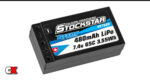
Reedy Stockstar 480mAh 1/28 LiPo Pack
Reedy has expanded its growing lineup of performance LiPo batteries with the introduction of the new Stockstar 480mAh 65C 7.4V LiPo Battery, designed specifically for ... Read More
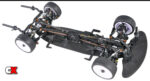
Serpent Medius X26 Touring Car Kits
Serpent has announced the release of the new Medius X26 1/10 electric touring car, offering racers two distinct chassis options built around the same cutting-edge ... Read More
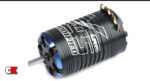
LRP X45 Modified Brushless Motors
LRP has expanded its high-performance 1/8 racing lineup with the new X45 Modified 1950kV and 2100kV brushless motors, competition-grade power systems engineered to meet the ... Read More
Hobbywing XeRun V10 G5 Brushless Motors
Hobbywing has raised the bar for Spec-class racing with the introduction of the XeRun V10 G5 Brushless Motor, a next-generation sensored motor engineered to deliver ... Read More
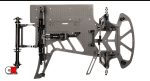
Ovalwerks 2026 Resurgent Rubber Tire Kit
US-based manufacturer Ovalwerks has announced the Resurgent Rubber Tire Kit, an 2026-updated ride that sports some new upgrades for rubber tire competition. The biggest update ... Read More
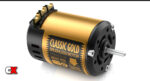
G-Force Classic Gold Brushless Motor
G-Force has unveiled its new Classic Gold Brushless Motor, combining vintage-inspired styling with modern brushless performance for a wide range of 1/10-scale electric RC cars. ... Read More

MikiModel Futura Formula 1 Kit
Italian manufacturer Futura has entered the competitive Formula RC market with its first complete 1/10 Formula Kit, a purpose-built chassis engineered for maximum performance and ... Read More
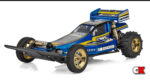
Team Associated RC10 Retro 80s Ultra Fox Kit
Team Associated is taking RC enthusiasts back to the golden age of off-road racing with the new RC10 Retro 80's Ultra Fox Kit. Released as ... Read More
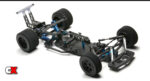
Exotek F1ULTRA R5 Group C Conversion Kit
Exotek Racing has introduced the F1 ULTRA R5 Group C Conversion, a body and suspension package that transforms the company's championship-winning F1ULTRA R5 chassis into ... Read More

Team Associated RC10 Sprint Edition Kit
Team Associated has expanded its legendary RC10 lineup with the all-new RC10 Sprint Edition Kit, bringing the excitement of dirt oval sprint car racing to ... Read More
SkyRC LapWiz RC Lap Timing System
SkyRC has introduced the LapWiz Smart RC Lap Timing System, a feature-rich timing and race management solution designed to bring professional-grade performance tracking to RC ... Read More
Team Associated Factory Team RC10T Kit
Team Associated has expanded its 60th Anniversary lineup with the new RC10T Factory Team Kit, a modernized version of one of the most iconic 2WD ... Read More
RC ESC Initial Brake Force Explained
What Is Initial Brake Force? Initial Brake Force is an Electronic Speed Control (ESC) setting that determines the amount of braking power applied immediately when ... Read More
RC ESC Blinky Mode Explained
What Is Blinky Mode? Blinky Mode is an ESC operating mode that disables all electronic timing advance features, including Boost Timing and Turbo Timing. When ... Read More
RC ESC Turbo Timing Explained
What Is Turbo Timing? Turbo Timing is an electronic timing advance feature built into many racing Electronic Speed Controllers (ESCs). It automatically adds motor timing ... Read More
