
RC Car Scale Explained: A Beginner’s Guide to Choosing the Right Size
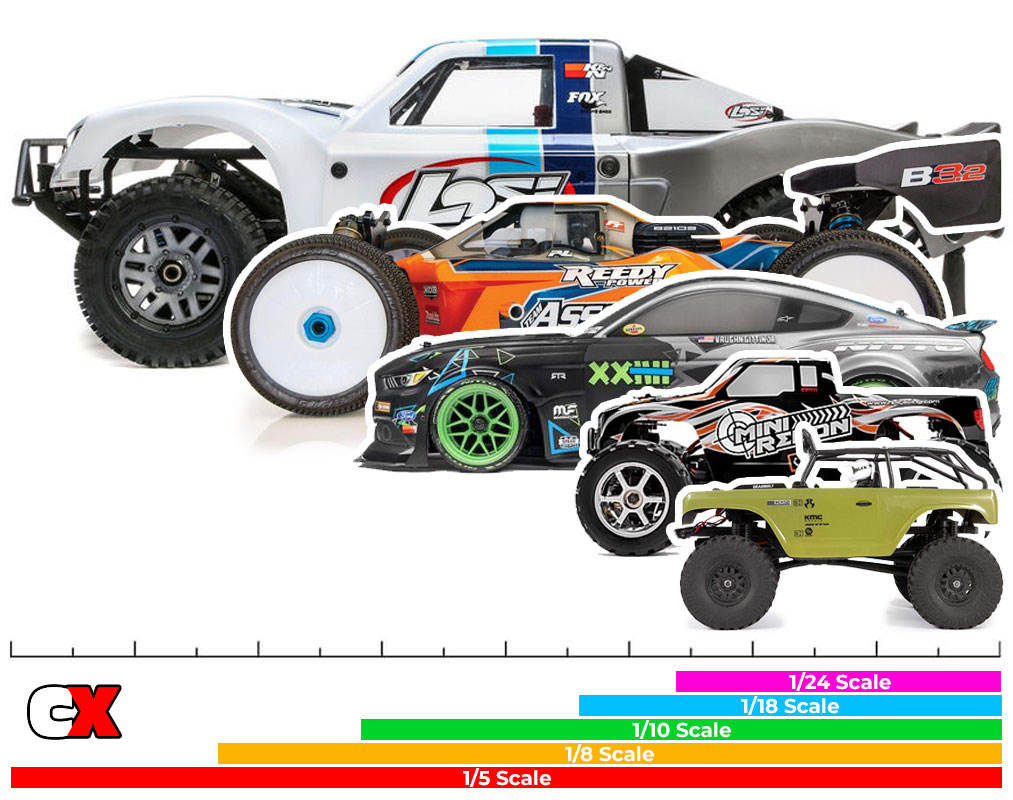
RC Car Scale is one of the first things you’ll encounter when entering the hobby – and one of the most misunderstood. Scale refers to how large or small an RC car is compared to a real vehicle. For example, a 1/10 scale RC car is roughly one-tenth the size of its full-size counterpart.
Choosing the right scale matters more than most beginners realize. It affects how your RC car handles, where you can drive it, how much it costs and how easy it is to maintain. Larger scales offer more stability and power while smaller scales are easier to store and control.
This guide breaks everything down so you can confidently choose the right RC scale for your needs.
What Does RC Car Scale Mean?
At its core, scale is a ratio. It tells you how much smaller your RC car is compared to a real vehicle.
• 1/10 scale = 1 unit on the RC car equals 10 units on the real car
• 1/8 scale = 1 unit equals 8 units
• 1/24 scale = 1 unit equals 24 units
So the smaller the number (like 1/5), the bigger the RC car. The larger the number (like 1/24), the smaller the RC car.
This sounds simple, but here’s where beginners get tripped up:
Scale does NOT guarantee exact size.
Two 1/10 scale vehicles can still be very different in size depending on what they’re modeled after. A monster truck will be much larger than a touring car, even if both are labeled 1/10 scale.
Why Scale Matters More Than You Think
Scale isn’t just about size, it affects nearly every part of your RC experience.
1. Where You Can Drive
• Small scale (1/24-1/18): indoors, small spaces
• Mid scale (1/10): backyard, parks, tracks
• Large scale (1/8-1/5): open terrain, dirt fields
Smaller cars are perfect for tight spaces, while larger ones need room to for speed.
2. Stability and Handling
Larger vehicles:
• Track straighter
• Handle bumps better
• Are easier to control at speed
Smaller vehicles:
• Feel quicker and more reactive
• Can be twitchy for beginners
3. Cost and Maintenance
• Small scale = lower cost, simpler repairs
• Large scale = higher cost, more durable parts
4. Realism and Detail
Larger scales allow for:
• More detailed bodies
• Better suspension systems
• More realistic driving behavior
Common RC Car Scales Explained
Let’s break down the most popular scales you’ll see in the hobby.
1/24 Scale (Ultra Small)
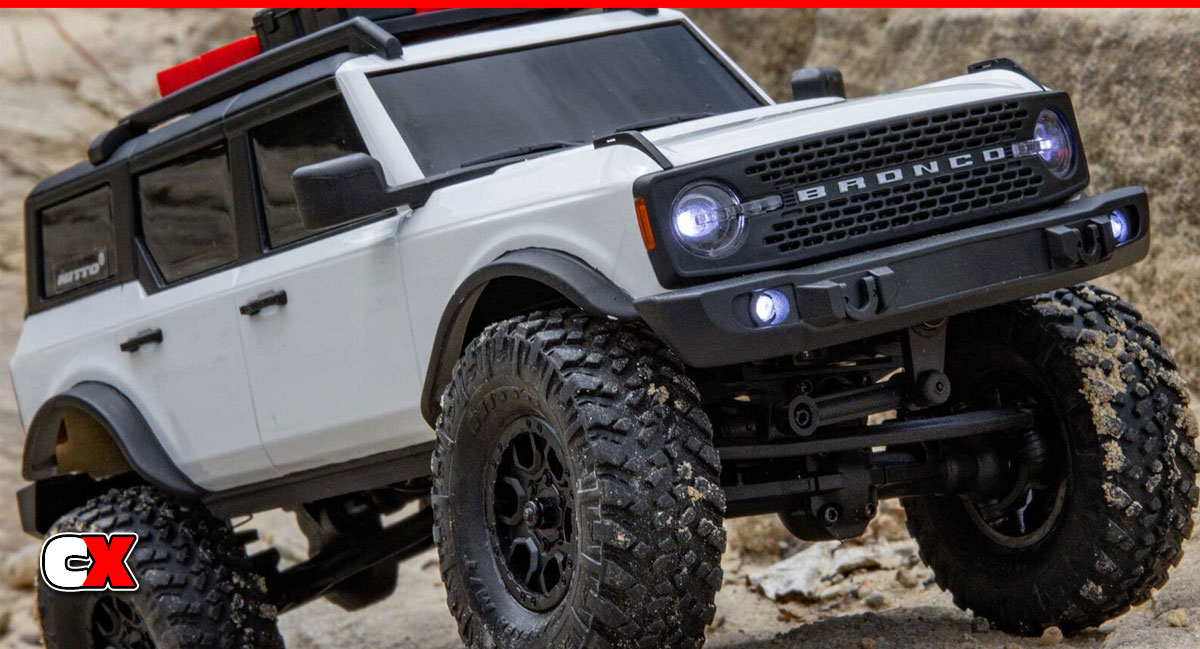 Typical length: 7–9 inches
What it’s best for:
• Indoor driving
• Desk crawling courses
• Beginners and kids
Pros:
• Affordable
• Easy to store
• Low risk of damage
Cons:
• Limited speed
• Struggles outdoors
• Less upgrade potential
Think of these as your “practice cars.” Great for learning control.
1/18 Scale (Small and Fun)
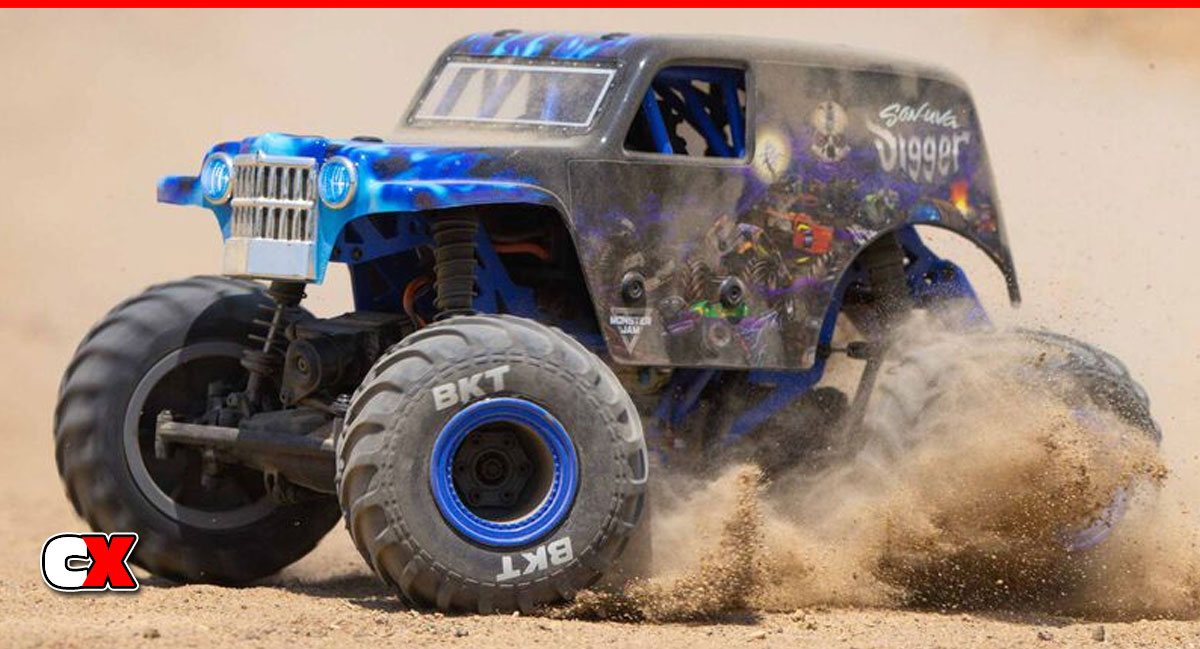 What it’s best for:
• Small backyards
• Light off-road use
• Beginners
Pros:
• Portable
• More capable than 1/24
• Still budget-friendly
Cons:
• Limited power
• Less stable than larger scales
This is a great “step up” scale.
1/16 Scale (Middle Ground Mini)
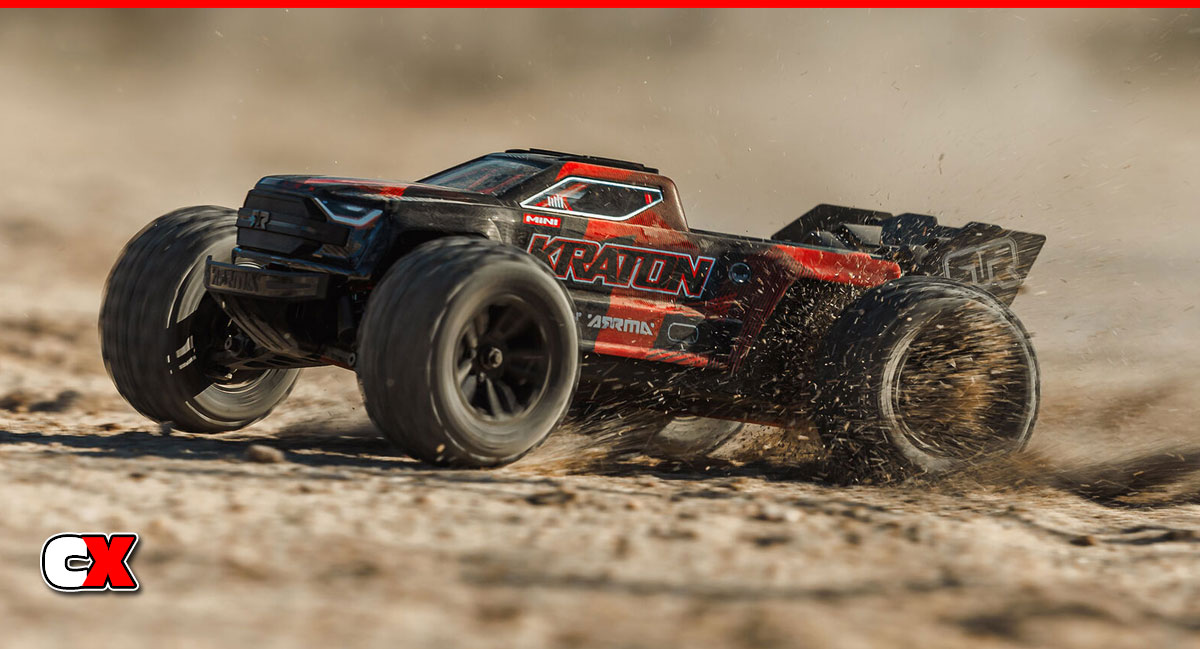 Typical length: ~10–14 inches
What it’s best for:
• Backyard bashing
• Small skate parks
• Entry-level performance
Pros:
• Faster than 1/18
• More durable
• Still portable
Cons:
• Can be twitchy
• Limited aftermarket vs 1/10
1/10 Scale (The Sweet Spot)
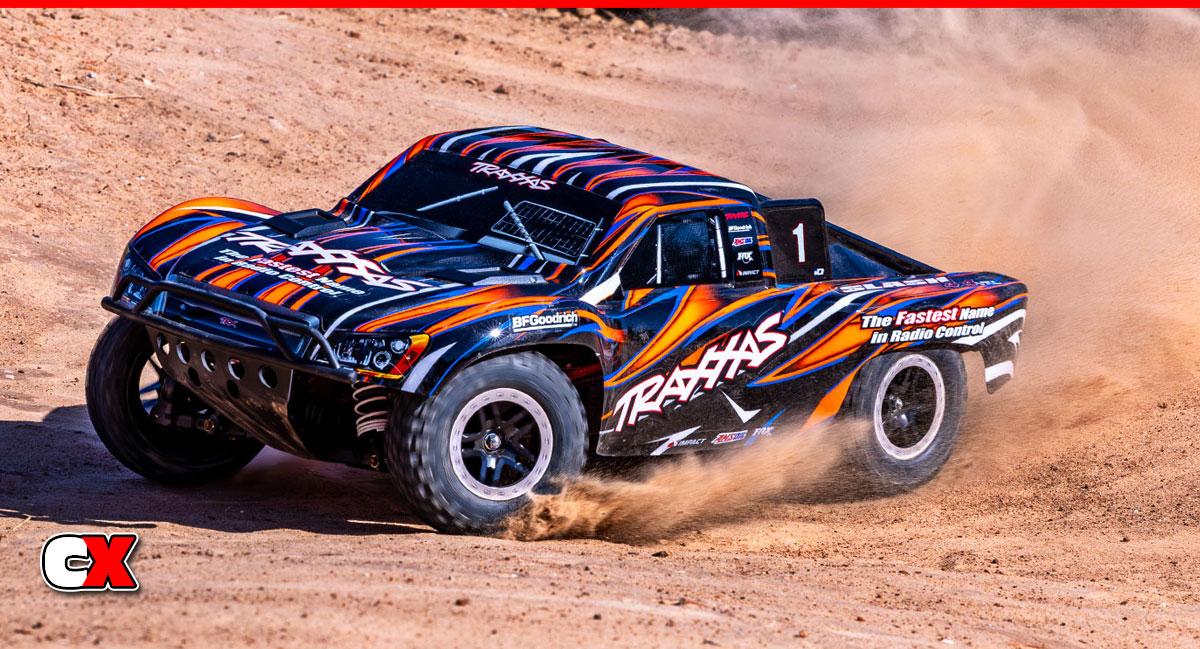 Typical length: ~17–22 inches
This is the most popular scale in RC – and for good reason.
What it’s best for:
• Beginners and experienced drivers
• Racing and bashing
• Almost any terrain
Pros:
• Huge parts availability
• Balanced performance
• Stable and predictable
Cons:
• Larger storage space
• Slightly higher cost than minis
If you’re unsure what to buy, 1/10 scale is almost always the right answer.
1/8 Scale (Serious Performance)
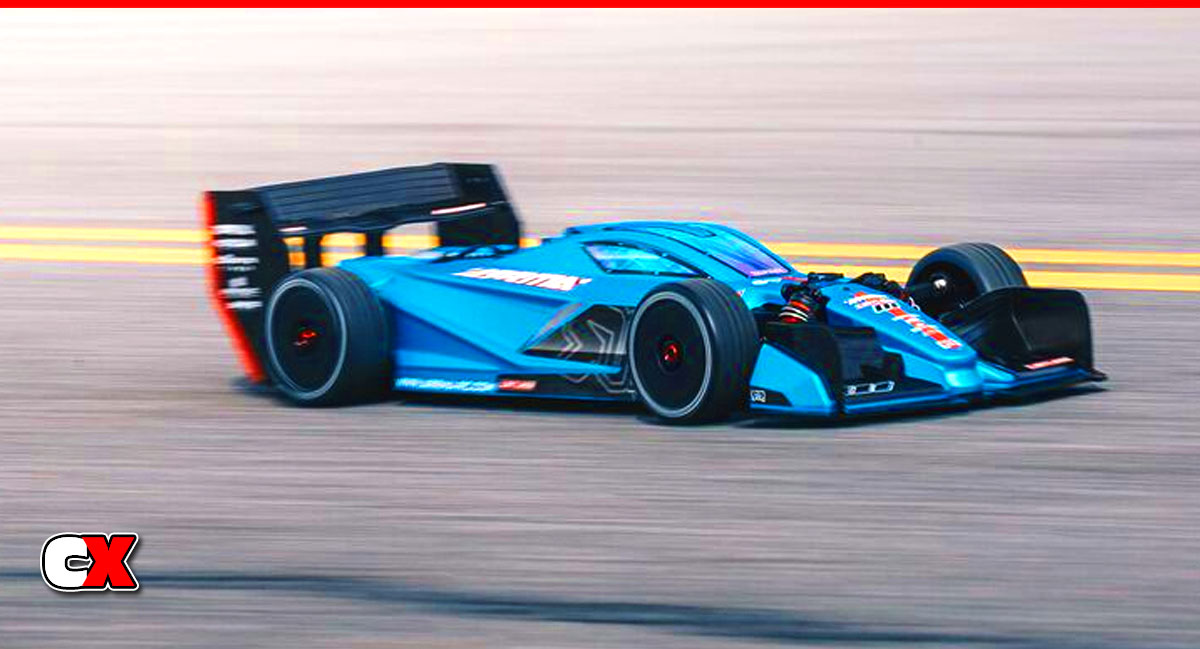 Typical length: ~18–23 inches
What it’s best for:
• Off-road racing
• High-speed bashing
• Experienced drivers
Pros:
• Powerful
• Extremely durable
• Handles rough terrain well
Cons:
• Expensive
• Requires more maintenance
This is where RC starts to feel like real motorsports.
1/5 Scale (Massive Machines)
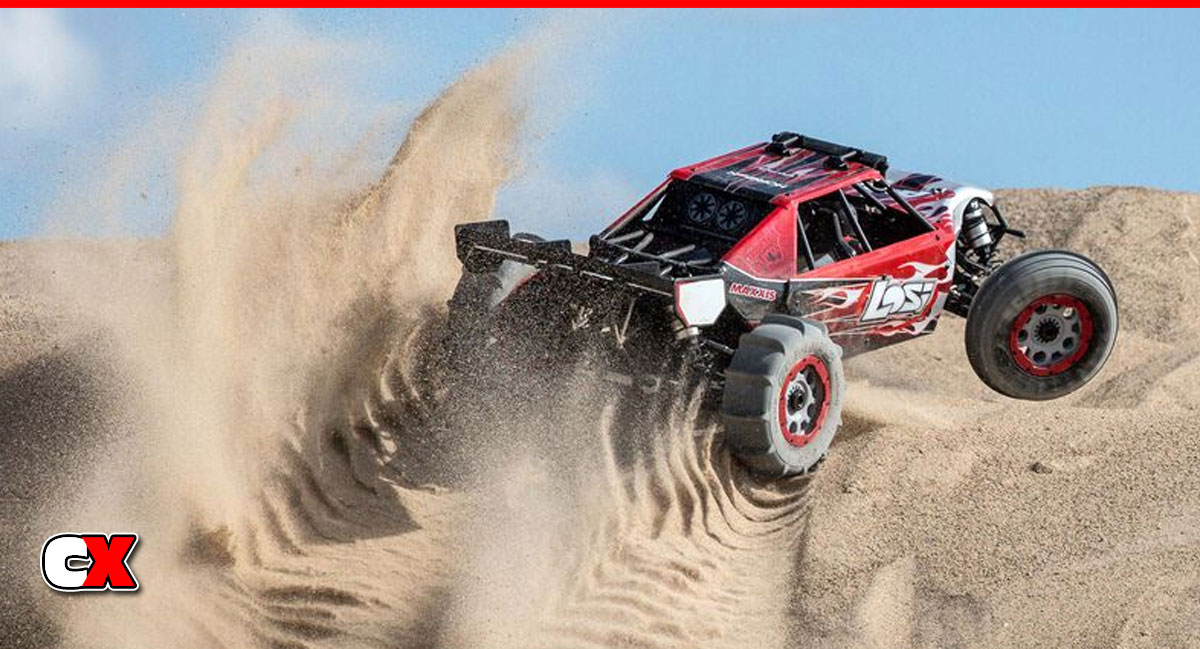 Typical length: 30–40 inches
What it’s best for:
• Large outdoor spaces
• Extreme bashing
• Experienced hobbyists
Pros:
• Huge presence
• Extremely durable
• Handles anything
Cons:
• Expensive
• Heavy
• Requires lots of space
These are not beginner cars, but they’re unforgettable.
How to Choose the Right RC Scale
Instead of asking “What’s the best scale?”, ask:
What’s the best scale for YOU?
1. Where Will You Drive?
• Indoors – 1/24 or 1/18
• Backyard – 1/18 to 1/10
• Park or track – 1/10 or 1/8
• Open terrain – 1/8 or 1/5
2. Who Is Driving?
• Kids – smaller scales
• Beginners – 1/10 scale
• Experienced – 1/8 or larger
3. Budget
• Under $150 – small scale
• $150–$400 – 1/10 scale
• $400+ – 1/8 and up
4. Type of RC Car
Different styles pair better with certain scales:
• Crawlers – 1/10 or 1/24
• Drift – 1/10
• Monster trucks – 1/10–1/5
• Racing buggies – 1/10 or 1/8
Scale vs Real Performance (Common Misconception)
Many beginners assume “Bigger scale = faster”.
Not necessarily. Speed depends on:
• Motor
• Battery
• Gearing
• Setup
A well-built 1/10 scale car can easily outrun a poorly set up 1/8 scale car. Scale affects stability and feel, not just speed.
Beginner Mistakes to Avoid
1. Going Too Big Too Fast
Large scale cars look exciting, but they’re harder to manage and more expensive.
2. Choosing the Wrong Scale for Your Space
A 1/8 buggy in a small backyard = frustration.
3. Ignoring Parts Availability
1/10 scale dominates the market for a reason – parts are everywhere.
4. Thinking Scale Equals Quality
Smaller RC cars of the most popular brands are of much higher quality than larger scale rides. Scale is not a measure of quality.
Recommended Starting Point
If you’re brand new, start with 1/10 scale.
Why?
• Easy to drive
• Widely supported
• Versatile
• Great resale value
From there, you can move up or down depending on what you enjoy most.
FAQ
Q: What is the most popular RC scale?
A: 1/10 scale is the most popular because it balances size, cost and performance.
Q: Is bigger always better?
A: No. Bigger is more stable, but also more expensive and harder to manage.
Q: What scale is best for beginners?
A: Because of the sheer volume of vehicles available, 1/10 scale is the best starting point for most people. There’s something for everyone.
Q: Can I use a small RC car outside?
A: Yes, but smaller scales struggle on rough terrain compared to larger ones.
Q: Why are two 1/10 cars different sizes?
A: Because they are based on different real vehicles. A 1:1 Monster Truck is a LOT bigger than a 1:1 Ferrari, so both, in 1/10 scale, would reflect that as well.
Q: What scale is best for kids?
A: 1/18 or 1/24 scale is usually best for younger drivers.

