

RC ESC Overheat Protection Explained
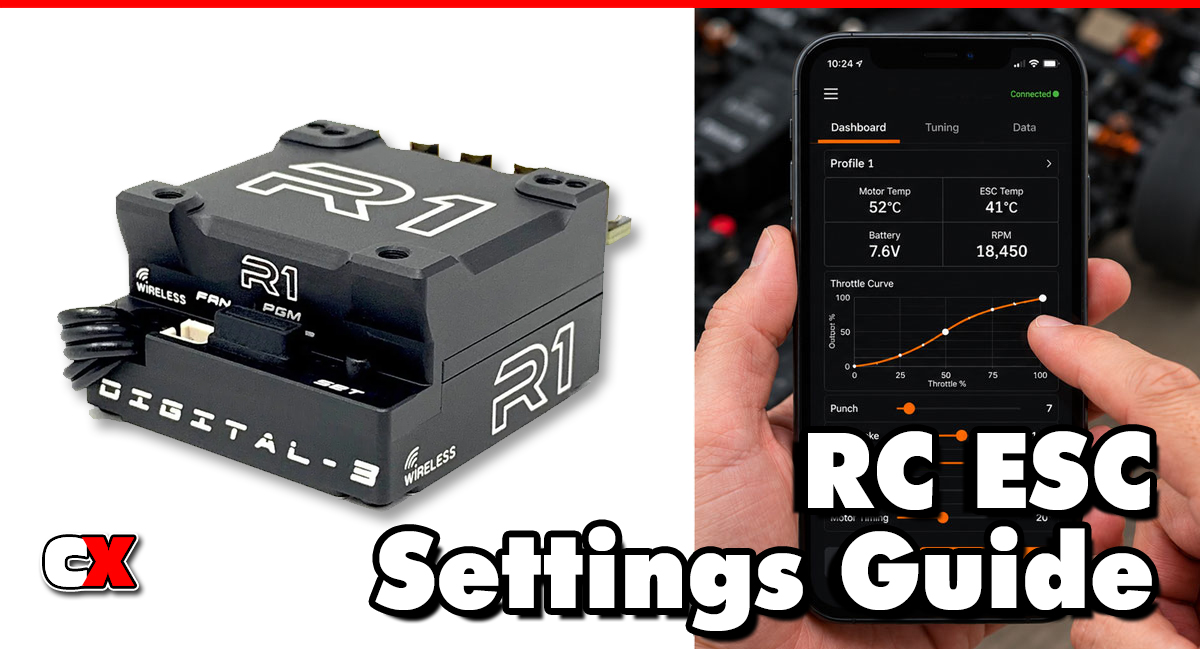
What Is Overheat Protection?
Overheat Protection is a built-in safety feature that monitors the internal temperature of the ESC and reduces or shuts off power when a predefined temperature threshold is reached.
Most modern brushless ESCs use internal sensors to continuously monitor operating temperatures. If the ESC detects excessive heat, it will enter a protection mode to prevent component failure.
Depending on the ESC manufacturer, Overheat Protection may:
• Reduce motor power
• Limit throttle output
• Enter limp mode
• Shut down motor operation completely
• Flash warning LEDs or display an error code
The goal is simple: protect the ESC from permanent damage caused by excessive heat.
Typical Overheat Protection activation temperatures range from:
Surface Racing ESC – 95°C–110°C (203°F–230°F)
Basher ESC – 100°C–120°C (212°F–248°F)
Rock Crawler ESC – 90°C–110°C (194°F–230°F)
Always refer to your ESC manufacturer’s specifications for exact values.
How Does Overheat Protection Affect Your Car?
Under normal operating conditions, Overheat Protection has no effect on vehicle performance. However, when temperatures exceed safe limits, you may notice:
Reduced Top Speed
Many ESCs reduce power output before a full shutdown occurs. This helps lower temperatures while allowing the vehicle to remain controllable.
Sudden Loss of Power
Some ESCs completely disable throttle output until temperatures drop below the safe threshold.
This often feels like:
• Vehicle stops accelerating
• Steering still works
• Motor becomes unresponsive
Inconsistent Performance During Long Runs
If the ESC repeatedly enters Overheat Protection, performance may seem inconsistent as the system cycles between normal operation and thermal limiting.
Protection of Expensive Electronics
While temporary power loss can be frustrating, Overheat Protection often prevents:
• Burned ESCs
• Damaged MOSFETs
• Melted solder joints
• Motor damage
• Excessive battery stress
In most cases, triggering Overheat Protection is a warning that something else in the vehicle setup needs attention.
How Do You Change Overheat Protection?
Many ESCs allow Overheat Protection to be enabled or disabled through:
• ESC programming cards
• LCD programming boxes
• Smartphone apps
• Computer software
• Transmitter programming
The exact process varies by manufacturer. Typical options include:
Enabled – Activates thermal protection
Disabled – Turns protection off
Temperature Threshold – Adjusts activation temperature (advanced ESCs only)
To adjust Overheat Protection:
Step 1: Connect Your Programming Device
Use your ESC’s programming method to access the settings menu.
Step 2: Locate Overheat Protection
Look for settings labeled:
• Overheat Protection
• Thermal Protection
• Temperature Protection
• ESC Temperature Protection
Step 3: Select Your Desired Setting
Most users should leave Overheat Protection enabled.
Step 4: Save and Test
Confirm the settings and perform a test drive while monitoring temperatures.
When To Change Overheat Protection
For most RC drivers, Overheat Protection should remain enabled at all times. There are only a few situations where adjustments may be appropriate.
Keep Overheat Protection Enabled
Recommended for:
• Beginners
• Bashers
• Racers
• Crawlers
• Speed runners
• High-power brushless systems
This provides maximum protection against accidental overheating and potential damage.
Adjust Temperature Thresholds
Advanced racers may occasionally raise the activation point if:
• The ESC consistently reaches the protection threshold under normal racing conditions.
• Additional cooling has been added.
• Temperatures have been carefully verified with external tools.
Small adjustments can prevent unnecessary power reduction without compromising reliability.
Disable Overheat Protection (Rarely Recommended)
Some competition drivers disable Overheat Protection in controlled environments to avoid power reduction during a race.
This is generally not recommended because:
• ESC damage can occur quickly.
• Motor temperatures may continue climbing unnoticed.
• Repair costs often exceed any potential performance gain.
For most users, disabling Overheat Protection creates more risk than reward.
What to Check After Adjusting Overheat Protection
Whenever you modify Overheat Protection settings, verify the rest of your power system is operating safely.
ESC Temperature
Use:
• Infrared temperature gun
• ESC telemetry
• Data logging
Monitor temperatures immediately after a run.
A good target is:
• Below 80°C (176°F) for long-term reliability
Motor Temperature
An overheated motor often causes ESC temperatures to rise as well.
Most racers aim for:
• Under 70°C–80°C (158°F–176°F)
Battery Temperature
Hot batteries increase system resistance and contribute to thermal buildup. Check that batteries remain warm rather than excessively hot after a run.
Gear Ratio
Over-gearing is one of the most common causes of overheating.
If Overheat Protection activates frequently, check gearing and:
• Reduce pinion size
• Increase spur gear size
• Re-test temperatures
Cooling Equipment
Inspect:
• ESC fans
• Heat sinks
• Airflow paths
• Body ventilation
Even a small cooling improvement can significantly reduce operating temperatures.
Basic Overheat Protection vs Advanced Settings
Not every driver needs to adjust Overheat Protection beyond its default configuration.
Basic Overheat Protection Settings
Best for:
• RTR vehicles
• New hobbyists
• Recreational bashers
Recommended setup:
• Overheat Protection: Enabled
• Temperature Threshold: Factory default
Advantages:
• Maximum reliability
• Minimal maintenance
• Excellent component protection
Advanced Overheat Protection Settings
Best for:
• Competitive racers
• Speed runners
• Experienced tuners
Possible adjustments:
• Custom temperature thresholds
• Data logging integration
• Thermal rollback tuning
• Telemetry-based monitoring
Advantages:
• Greater performance consistency
• Reduced chance of unnecessary power limiting
• Better optimization for specific track conditions
Advanced tuning should always be accompanied by careful temperature monitoring.
FAQ
Q: Should I leave Overheat Protection enabled?
A: Yes, always. Most RC drivers should always leave Overheat Protection enabled. It protects the ESC from expensive heat-related failures.
Q: What causes Overheat Protection to activate?
A: Common causes include:
• Over-gearing
• Poor airflow
• High ambient temperatures
• Binding (or worn) drivetrain components
• Excessive vehicle weight
• Aggressive timing settings
Q: Can Overheat Protection damage performance?
A: Only when the ESC becomes excessively hot. Under normal temperatures, Overheat Protection has no effect on performance.
Q: What temperature is too hot for an ESC?
A: Most ESCs should stay below 80°C (176°F) for optimal reliability, although many units do not activate Overheat Protection until temperatures exceed 95°C–120°C.
Q: Why does steering still work when Overheat Protection activates?
A: The ESC often disables motor output while keeping BEC power active. This allows the receiver and steering servo to remain operational.
Q: Can an ESC recover after Overheat Protection activates?
A: Yes. Most ESCs return to normal operation once temperatures fall below the protection threshold.
Q: Does Overheat Protection monitor motor temperature?
A: Usually not. Most ESCs only monitor their own internal temperature. Some advanced systems can monitor motor temperature through additional telemetry sensors.
Q: If Overheat Protection activates often, should I disable it?
A: No. Frequent activation usually indicates a gearing, cooling, drivetrain or setup problem that should be corrected.
Back to the RC ESC Settings Guide.

