

RC Radio Idle Up Explained
What Is Idle Up?
Idle Up is an RC radio system function commonly used with nitro and gas-powered RC vehicles. It increases the throttle position slightly when the trigger is at neutral so the engine maintains a stable idle speed. Instead of allowing the carburetor to return to its lowest possible idle setting, Idle Up keeps the carburetor open just enough to help prevent engine stalls.
On most modern RC radios, Idle Up is programmed through throttle settings, throttle trim menus or dedicated engine management functions. Some high-end transmitters allow Idle Up to be assigned to a switch so it can be activated only when needed.
Idle Up is mainly used in nitro and gas-powered RC vehicles. Electric RC vehicles generally do not use Idle Up because electric motors do not rely on idle RPM to remain running.
How Does Idle Up Affect Your Car?
Idle Up primarily affects engine stability and throttle response at low speeds. A properly adjusted Idle Up setting can make a nitro or gas-powered RC car easier to drive consistently, especially during braking, corner entry or extended idle periods.
Increased Engine Stability
The biggest advantage of Idle Up is reduced engine stalling. Nitro engines can stall when:
• Braking aggressively
• Throttle returning to quickly to neutral
• Running rich fuel mixtures
• Operating in cold weather
• Using heavy drivetrain loads
Idle Up increases the throttle opening, helping the engine maintain RPM during these situations.
Smoother Low-Speed Driving
Some RC cars feel smoother entering corners with Idle Up enabled because the engine stays more responsive when transitioning from brake to throttle.
Without Idle Up:
• The engine may bog slightly before accelerating
• RPM may drop too low during braking
• Throttle response can feel lazy
With Idle Up:
• RPM stays more consistent
• Throttle pickup feels quicker
• The engine recovers faster after braking
Improved Engine Warm-Up
Many drivers use Idle Up while warming up a nitro engine. A slightly elevated idle speed helps:
• Maintain stable combustion
• Prevent cold stalls
• Speed up engine warm-up consistency
Once the engine reaches operating temperature, Idle Up may be reduced or disabled depending on driving conditions.
Potential Drawbacks of Too Much Idle Up
Too much Idle Up can create several problems:
• The car may creep forward at neutral
• Braking performance may feel weaker
• Clutch engagement may occur too early
• Fuel consumption may increase
• Engine temperatures may rise
• Corner entry may feel aggressive
Excessive Idle Up can also mask improper carburetor tuning. If the engine only runs correctly with very high Idle Up, the low-speed needle or base idle setting may need adjustment.
How Do You Change Idle Up?
The exact process depends on your RC radio system, but most modern radios follow similar steps.
Step 1: Access the Throttle Menu
Navigate to:
• Throttle settings
• Engine settings
• Idle Up menu
• Function assignment menu
On radios like the Futaba 10PX, Idle Up may be programmable through throttle offset functions or assignable switches.
Step 2: Activate the Function
Enable Idle Up and assign it to:
• A switch
• A button
• A condition profile
• A driving mode
Many racers prefer assigning Idle Up to a temporary switch for pit starts and warm-up laps.
Step 3: Adjust the Idle Amount
Increase Idle Up gradually in very small increments.
Typical adjustments are:
• 1-3% throttle offset
• Small servo travel increases
• Slight carburetor opening changes
You want enough RPM increase to prevent stalling without causing the clutch to engage.
Step 4: Test the Car
After adjusting Idle Up:
• Apply brakes aggressively
• Return quickly to neutral
• Observe idle consistency
• Check for forward creeping
• Listen for excessive clutch engagement
The engine should idle smoothly without moving the car forward.
When To Change Idle Up
Idle Up settings should change based on track conditions, engine tuning and driving style.
Increase Idle Up When:
• The engine stalls during braking
• Temperatures are cold
• Fuel mixture is rich
• The clutch engages inconsistently
• The engine struggles during warm-up
• Running technical tracks with heavy braking
Reduce Idle Up When:
• The car creeps at neutral
• Brakes feel weak (or adjust brake linkage)
• Idle RPM sounds too high
• Clutch engagement becomes aggressive
• Fuel mileage decreases noticeably
• Engine temperatures rise excessively
Racing Applications
Different racing conditions may require different Idle Up settings.
On-Road Nitro Racing
Drivers often use slightly higher Idle Up because of:
• Heavy braking zones
• Fast throttle transitions
• High RPM driving
Off-Road Nitro Racing
Drivers may prefer lower Idle Up for:
• Better jump control
• Smoother corner rotation
• Improved braking feel
Large-Scale Gas Vehicles
Idle Up can help stabilize larger engines that experience:
• Heavy drivetrain drag
• Large tire loads
What to Check After Idle Up
After changing Idle Up, several related settings should be inspected to ensure the car performs correctly.
Throttle Trim
Throttle trim directly affects idle RPM. If both throttle trim and Idle Up are increased too much, the engine may idle excessively high.
Carburetor Idle Gap
Always verify the carburetor idle gap after changing Idle Up. Most nitro engines require a small visible opening at neutral throttle.
Too large of a gap can:
• Cause clutch drag
• Increase temperatures
• Create inconsistent braking
Brake Linkage
Higher Idle Up settings can reduce braking effectiveness because the throttle servo may not fully close before brake application begins.
Check:
• Brake throw
• Neutral position
• Brake engagement timing
Clutch Setup
If the clutch begins engaging at idle:
• Lower Idle Up
• Inspect clutch springs
• Check clutch shoe wear
A properly adjusted clutch should not engage while the car is stationary.
Engine Temperature
Monitor engine temperature after changing Idle Up.
Higher idle RPM can:
• Increase heat buildup
• Raise fuel consumption
• Change tuning consistency
If temperatures increase significantly, reduce Idle Up slightly.
Basic Idle Up vs Advanced Settings
Basic Idle Up Settings
Basic Idle Up adjustments are intended for:
• Beginners
• Casual drivers
• Stable engine operation
Typical goals include:
• Preventing stalls
• Easier warm-up
• Reliable idle consistency
Basic settings usually involve:
• Small throttle offset increases
• Simple switch activation
• Minimal tuning adjustments
For most drivers, a mild Idle Up setting is all that is needed.
Advanced Idle Up Settings
Advanced Idle Up tuning is commonly used by experienced racers and advanced tuners.
These setups may involve:
• Condition-based Idle Up profiles
• Different settings for qualifying and mains
• Throttle curve integration
• Brake-to-throttle transition tuning
• Multi-position switch assignments
Advanced racers may tune Idle Up alongside:
• Throttle curves
• ABS braking functions
• Brake mixing
• Engine tuning profiles
The goal is maximizing throttle response while maintaining consistent braking and corner entry behavior.
FAQ
Q: What does Idle Up do in RC cars?
A: Idle Up slightly increases throttle opening at neutral throttle to help maintain stable engine RPM and reduce stalling.
Q: Is Idle Up only for nitro RC cars?
A: Yes. Idle Up is primarily used on nitro and gas-powered RC vehicles because combustion engines must maintain idle RPM to stay running.
Q: Can too much Idle Up damage my car?
A: Potentially. Excessive Idle Up can:
• Overheat the clutch
• Increase engine temperatures
• Reduce braking performance
• Cause unintended vehicle movement
Small adjustments are safest.
Q: Should my RC car move forward with Idle Up enabled?
A: No. The engine RPM should increase slightly, but the clutch should not engage enough to move the car forward.
Q: Does Idle Up improve acceleration?
A: Indirectly, yes. Idle Up can improve throttle response because the engine maintains higher RPM before acceleration begins.
Q: Should I use Idle Up during engine warm-up?
A: Yes. Many nitro drivers use Idle Up temporarily during warm-up to help stabilize idle speed while the engine reaches operating temperature.
Q: Does Idle Up replace carburetor tuning?
A: No. Idle Up is not a substitute for proper carburetor tuning. The engine should still be tuned correctly using the low-speed needle, high-speed needle and idle screw.
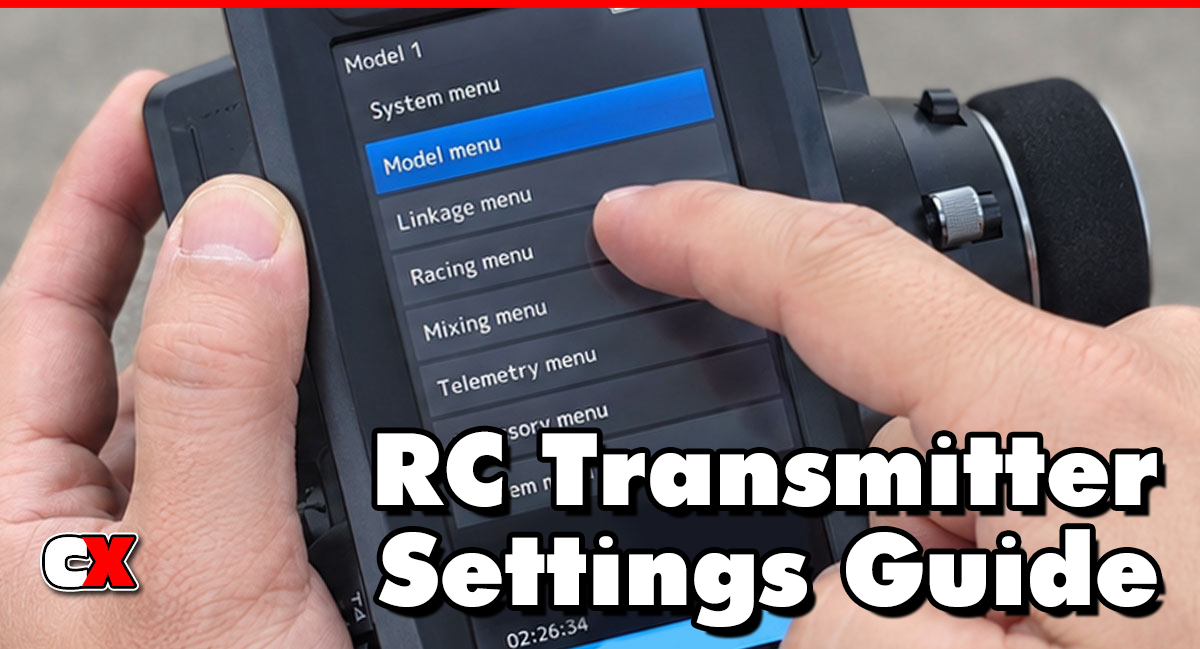
Back to the RC Transmitter Settings Guide.

