
RC Shocks Explained
What Are Shocks?
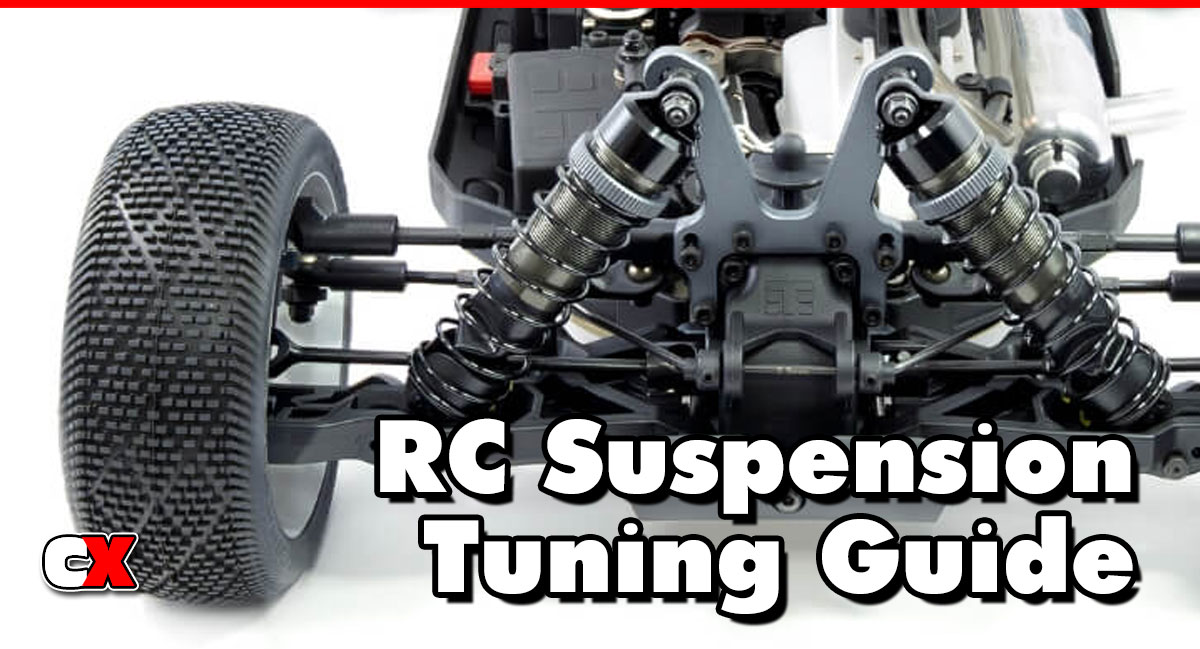
Shocks are one of the most important components of your RC car’s suspension system. Their job is to control how the chassis reacts to bumps, jumps, acceleration, braking and cornering. Without properly tuned Shocks, your car will feel unstable, inconsistent and difficult to drive.
Each part of the shock system plays a specific role:
Shocks (Complete)
Shocks (also called dampers) are oil-filled units that control the speed of suspension movement. They don’t hold the car up – that’s the job of springs. Instead, Shocks control how fast the suspension compresses and rebounds.
Shock Oil
Shock Oil determines how quickly the shock shaft moves through the shock body. Thicker oil slows movement, while thinner oil allows faster movement. It directly affects how the car handles bumps and weight transfer.
Shock Pistons
Shock Pistons sit inside the shock and have small holes that allow oil to flow through them. The number and size of these holes determine how easily oil flows, which changes damping characteristics.
• Fewer/smaller holes = more damping (slower movement)
• More/larger holes = less damping (faster movement)
Shock Rebound
Shock Rebound refers to how the shock extends after being compressed. It’s controlled by how the shock is built and how much air-vs-oil is inside.
• More rebound = shock pushes back out harder
• Less rebound = shock extends more slowly or stays neutral
Shock Springs
Shock Springs support the weight of the car and determine ride stiffness. They control how much the suspension compresses under load.
• Softer springs = more grip, more roll
• Stiffer springs = less roll, faster response
How They Work Together
All of these components work as a system:
• Shock Springs hold the car up
• Shock Oil and Shock Pistons fine-tune movement speed
• Shock Rebound affects how the suspension resets after compression
A change to one part almost always affects the others, which is why shock tuning is about balance, not just single adjustments.
How Do Shocks Affect Your Car?
Shock Oil
Shock Oil controls how quickly weight transfers.
Thicker Shock Oil:
• Slows weight transfer
• Improves stability on smooth tracks
• Reduces chassis roll
Thinner Shock Oil:
• Allows faster suspension movement
• Improves grip on rough tracks
• Helps absorb bumps
Shock Pistons
Shock Pistons fine-tune how the oil behaves.
Smaller/fewer holes:
• More pack (resistance under fast movement)
• Better for big jumps or high-speed tracks
Larger/more holes:
• Smoother feel
• Better for low-grip or bumpy conditions
Shock Rebound
Shock Rebound changes how the car settles after suspension movement.
More Shock Rebound:
• Keeps the car more “on edge”
• Can increase steering response
• May reduce stability
Less Shock Rebound:
• Smoother and more planted feel
• Better for rough tracks
Shock Springs
Shock Springs control weight transfer and chassis balance.
Softer Shock Springs:
• More grip
• More body roll
• Slower response
Stiffer Shock Springs:
• Faster steering response
• Less roll
• Less overall grip on low-traction surfaces
Combined Effect
When tuned correctly:
• Shock Springs set the platform
• Shock Oil and Shock Pistons control movement speed
• Shock Rebound fine-tunes how the car resets
If one element is off, the entire system feels wrong.
How Do You Change The Shock Oil, Shock Pistons, Shock Rebound And Shock Springs?
Shock Oil
1. Remove shock cap
2. Drain existing oil
3. Refill with desired viscosity
4. Bleed properly to remove air bubbles
Shock Pistons
1. Disassemble the shock
2. Remove the shaft assembly
3. Swap pistons for different hole sizes/configurations
4. Always rebuild with fresh Shock Oil
Shock Rebound
Adjust during the shock rebuild process. Control rebound by:
• Oil fill level
• Bleeding method
• Shaft position when sealing the shock
Shock Springs
1. Remove spring retainer
2. Swap to softer or stiffer Shock Springs
3. Replace spring retainer
4. Adjust preload collars if available
When To Change The Shock Oil, Shock Pistons, Shock Rebound And Shock Springs
Change Shock Oil When:
• Track conditions change (smooth vs rough)
• Temperature changes significantly
• Oil becomes dirty
Change Shock Pistons When:
• You need more or less damping without changing oil weight
• Fine-tuning for specific track layouts
Change Shock Rebound When:
• The car feels too “springy” or too flat
• You need better landing control or corner stability
Change Shock Springs When:
• Grip level changes
• You need more steering or stability
• The car rolls too much or feels too stiff
What To Check After Changing The Shock Oil, Shock Pistons, Shock Rebound And Shock Springs
After making changes, always check:
• Ride Height – Shock changes can alter chassis height
• Droop – Affects suspension extension and balance
• Camber – Suspension movement changes Camber angles
• Weight Balance – Front-vs-rear grip may shift
• Handling Consistency – Watch for bouncing, traction roll or instability
• Shock Smoothness – Ensure no binding or air bubbles
Most importantly, test the car in real conditions. Small adjustments can make a big difference.
Shop Shock Oil
Check Price: www.AMainHobbies.com
FAQ
Q: What is the most important part of shock tuning?
A: All components matter, but Shock Oil and Shock Springs are usually the first and most impactful changes.
Q: Should I change Shock Oil or Shock Pistons first?
A: Start with Shock Oil. Use Shock Pistons for fine-tuning once you’re close.
Q: How often should I rebuild Shocks?
A: For racing, every few runs or race days. For bashing, rebuild when performance drops or leaks appear.
Q: What’s better: thicker Shock Oil or stiffer Shock Springs?
A: They do different things. Shock Oil controls movement speed, while Shock Springs control support and weight transfer.
Q: How do I know if my Shocks are wrong?
A: Common signs will be your car bouncing over bumps, poor jump landings or inconsistent cornering.
Q: Can I tune Shocks for different tracks?
A: Yes. Smooth tracks usually need thicker Shock Oil and stiffer setups. Rough tracks benefit from softer, faster-moving setups.
Related Tuning Adjustments
To get the most out of this setup change, review these related guides:
• Anti-Dive
• Anti-Squat
• Ride Height
• Roll Center
• Weight Distribution
Back to the RC Suspension Tuning Guide.

