
Tag: rc tuning tips

RC Radio Traction Control Explained
What Is Traction Control Traction Control in RC radio systems is an electronic feature that reduces excessive wheelspin by limiting or smoothing throttle input when ... Read More
RC Radio End Point Adjustment (EPA) Explained
What Is End Point Adjustment (EPA)? End Point Adjustment (EPA, for short) is a function in a RC radio system that controls the maximum amount ... Read More
RC Radio Anti-Lock Braking (ABS) Explained
What Is Anti-Lock Braking (ABS) Anti-Lock Braking (ABS) in RC Radio systems is a braking function that rapidly pulses the brake signal instead of applying ... Read More
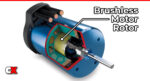
Brushless Motor Rotor Tuning Explained: Speed vs Torque Breakdown
Before brushless motors were around, there was quite a bit of maintenance we had to perform on our motors to keep them fresh and running ... Read More
RC Differential Explained
What Is A Differential? A Differential is a drivetrain component that allows the left and right wheels on the same axle to rotate at different ... Read More
RC Slipper Clutch Explained
What Is A Slipper Clutch A Slipper Clutch is a drivetrain component designed to control how much power is transferred from the motor to the ... Read More
RC Wings Explained
What Are Wings? Wings are aerodynamic devices mounted to the front or rear of an RC car that are designed to generate downforce - a ... Read More
RC Roll Center Explained
What Is Roll Center? Roll Center is an imaginary point in your suspension geometry that represents where your chassis “rolls” around during cornering. It is ... Read More
RC Caster Explained
What Is Caster? Caster refers to the angle of the steering axis when viewed from the side of the vehicle. It is the angle formed ... Read More
RC Gear Ratio Explained
What Is Gear Ratio? Gear Ratio refers to the relationship between the number of teeth on your motor pinion gear and the spur gear (or ... Read More
RC Battery Position Explained
What Is Battery Position? Battery Position refers to where the battery is mounted within the chassis of your RC car, specifically its front-to-rear and sometimes ... Read More
RC Axle Height Explained
What Is Axle Height? Axle Height refers to the vertical position of the wheel axle relative to the suspension arm or hub carrier. In simple ... Read More
RC Anti-Squat Explained
What Is Anti-Squat? Anti-Squat is a rear suspension geometry setting that controls how much the rear of your RC car compresses (or “squats”) under acceleration. ... Read More
RC Anti-Dive Explained
What Is Anti-Dive? Anti-Dive is a front suspension geometry setting that controls how much the front of your RC car compresses (or “Dives”) under braking. ... Read More
RC Ackermann Steering Explained
What is Ackermann? Ackermann refers to the difference in steering angle between the front tires as the car turns. A low Ackermann setting will have ... Read More
