
Understanding LiPo Battery Voltage
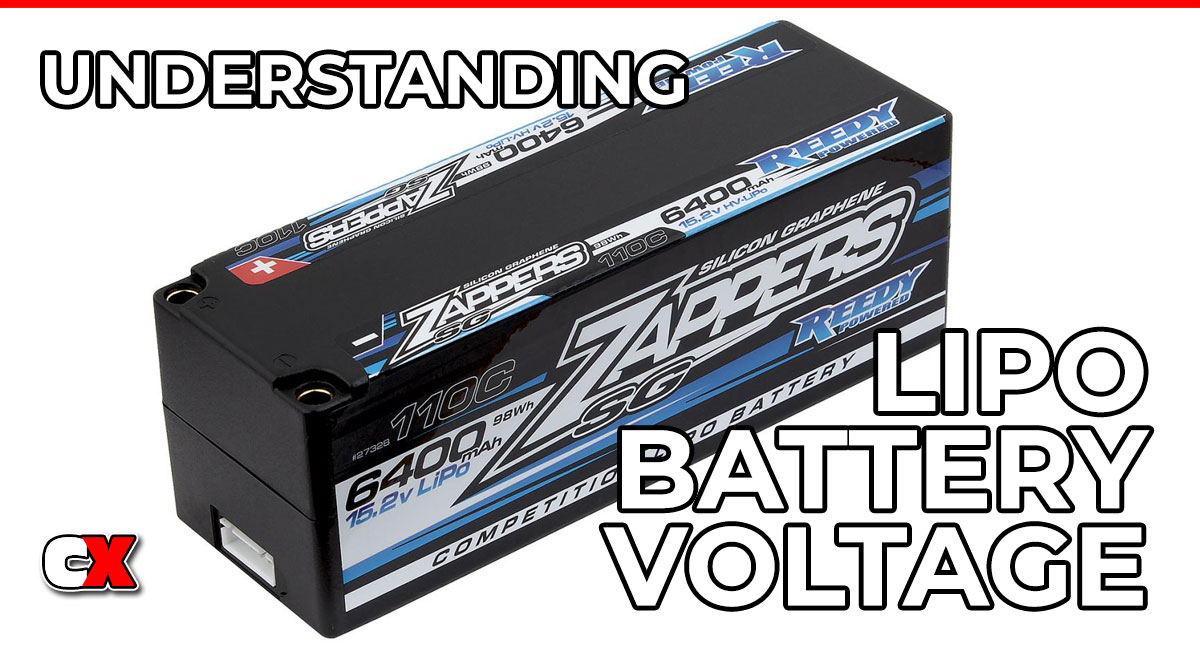
If you’re getting into RC cars, one of the first confusing topics you’ll run into is LiPo battery voltage. You’ll see numbers like 7.4v, 11.1v, 2S, 3S – and it’s not always clear what they actually mean.
The truth is simple: voltage is what controls your car’s speed and power. But understanding how it works will help you:
• Choose the right battery
• Avoid damaging your electronics
• Get the performance you actually want
This guide breaks everything down in plain English so you can confidently pick and use LiPo batteries.
What Is LiPo Battery Voltage?
Voltage is the electrical pressure that pushes power from your battery to your motor.
In RC:
• More voltage = more speed and power
• Less voltage = slower, easier control
LiPo batteries are made up of individual cells with each cell having a nominal voltage of about 3.7 volts. That number is the foundation of everything.
Understanding LiPo Cell Voltage (The Numbers That Matter)
Each LiPo cell operates within a specific voltage range:
• Fully charged: 4.2v per cell
• Nominal (average): 3.7v per cell
• Minimum safe voltage: ~3.0v per cell
Think of it like a fuel tank:
• 4.2v = full tank
• 3.7v = cruising level
• 3.0v = empty (stop driving here)
Go below that minimum, and you risk permanent damage.
Why 3.7v Is Used on Labels
Manufacturers use 3.7v as a standard reference point because it represents the average voltage during use.
So when you see:
• 7.4v – that’s not fully charged voltage
• It’s the nominal value (2 × 3.7v)
What Does “2S”, “3S” and “4S” Mean?
The “S” stands for cells in series.
Each cell adds voltage.
| Battery | Cell Count | Nominal Voltage | Fully Charged |
|---|---|---|---|
| 1S | 1 Cell | 3.7v | 4.2v |
| 2S | 2 Cell | 7.4v | 8.4v |
| 3S | 3 Cell | 11.1v | 12.6v |
| 4S | 4 Cell | 14.8v | 16.8v |
When cells are wired in series, their voltages add together. That’s why a 3S battery is dramatically faster than a 2S, even though it looks similar.
How Voltage Affects RC Car Performance
Voltage directly impacts motor speed. Most brushless motors are rated in kV (RPM per volt).
Example:
• 3500kV motor × 7.4v = ~25,900 RPM
• Same motor × 11.1v = ~38,850 RPM
That’s a massive jump.
What You’ll Notice on the Track
Higher voltage:
• Faster top speed
• Harder acceleration
• More heat
• More stress on components
Lower voltage:
• Easier control
• Longer component life
• Better for beginners
Voltage vs Capacity (Common Confusion)
Many beginners mix these up.
• Voltage = power (speed)
• Capacity (mAh) = runtime
Example:
• 2S 5000mAh – moderate speed, long runtime
• 3S 5000mAh – faster, same runtime
They are independent.
The Real Operating Voltage Range
Even though the full range is 3.0v to 4.2v per cell, you should aim to use:
• 3.5v – 4.2v during driving
Why? Because:
• Voltage drops quickly below ~3.5v
• Damage risk increases near 3.0v
• Voltage sag under load can dip even lower
What Is Voltage Sag?
Voltage sag happens when your battery drops voltage under load.
Example:
• Battery reads 3.6v per cell at rest
• You hit full throttle – drops to 3.2v
This is normal.
But if sag is too large:
• Your battery is worn out
• Or not strong enough (low C rating)
Low Voltage Cutoff (LVC): Why It Matters
Most ESCs have a Low Voltage Cutoff (LVC) feature. It shuts off power before your battery drops too low.
Typical cutoff:
• 3.2v–3.4v per cell
This protects your battery from:
• Permanent damage
• Capacity loss
• Safety issues
Storage Voltage (Often Ignored)
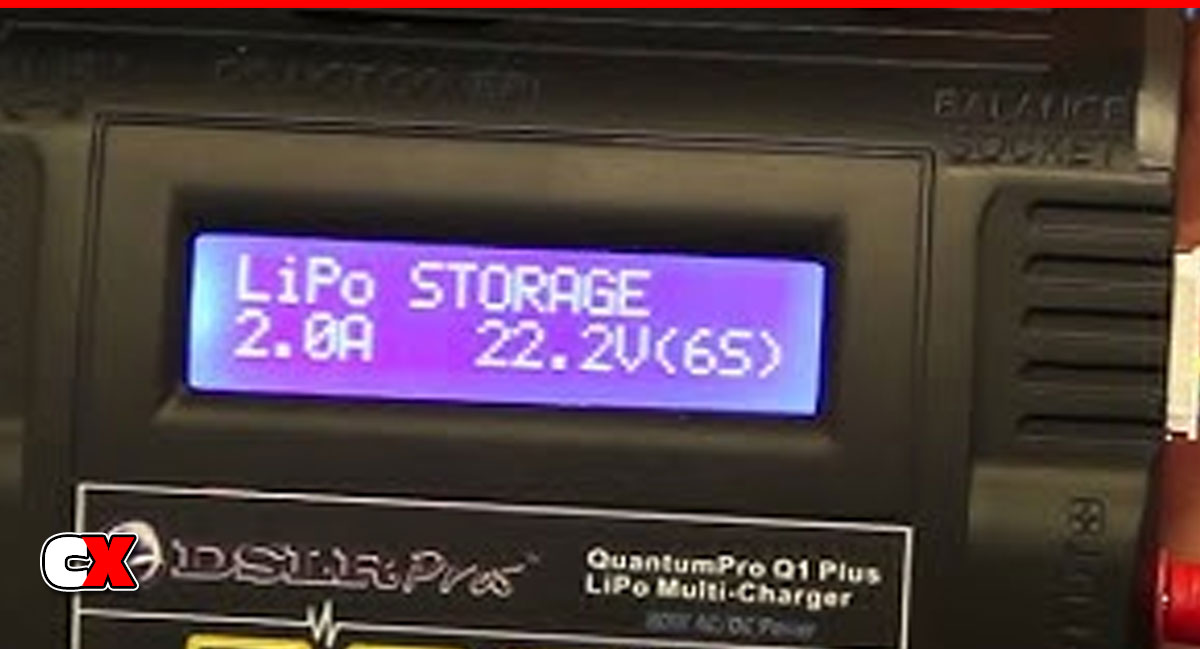 If you’re not using your battery, don’t leave it full or empty.
Best storage level:
• ~3.8v per cell
Why it matters:
• Reduces battery wear
• Prevents swelling
• Extends lifespan
Most modern chargers have a “storage mode” for this.
High Voltage (LiHV) Batteries
Some LiPo batteries are labeled LiHV (High Voltage).
They charge to:
• 4.35v per cell instead of 4.2v
Benefits:
• Slightly more speed
• Slightly more runtime
Downside:
• Requires compatible charger
• More stress on battery
Common Beginner Mistakes with LiPo Voltage
1. Running the Battery Too Low
Going below 3.0v per cell can permanently damage it .
2. Thinking Voltage = Runtime
It doesn’t. Capacity controls runtime.
3. Jumping to 3S Too Early
More voltage = more control difficulty.
4. Ignoring Cell Balance
Uneven cell voltage = reduced performance and safety risk.
How to Check LiPo Voltage
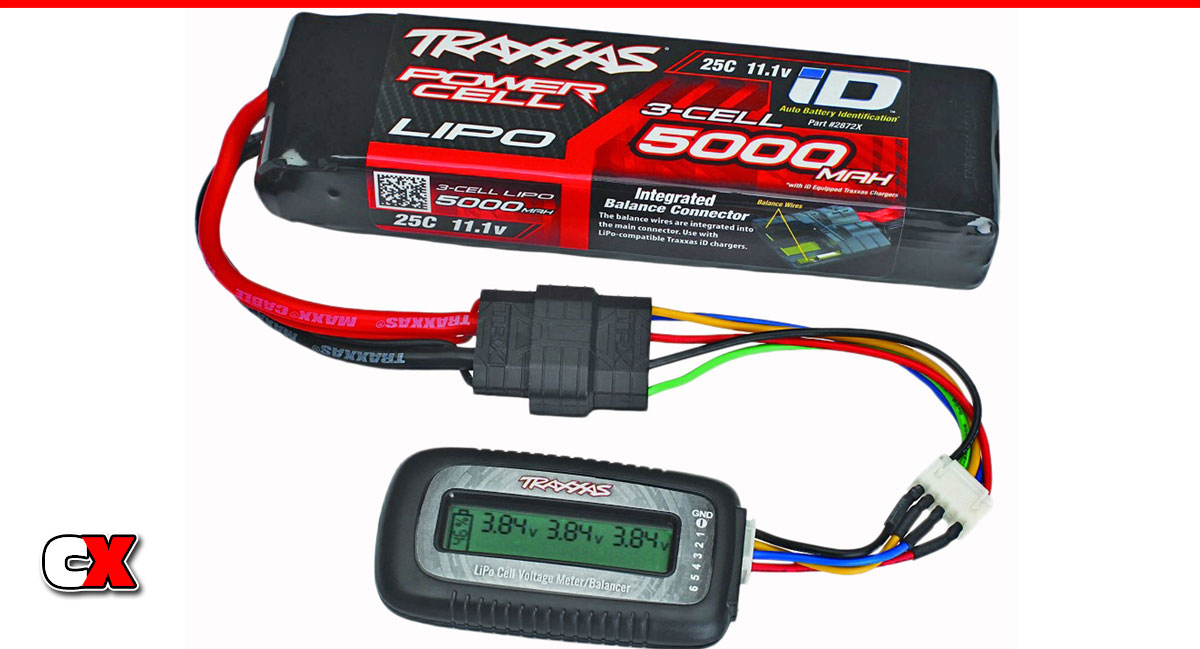 You have three easy options:
• LiPo checker (fastest)
• Charger display
• Multimeter
Always check:
• Before running
• After running
• Before storage
Choosing the Right Voltage for Your RC Car
 Beginner Setup
• 2S LiPo
• Easy to control
• Lower stress on electronics
Intermediate Setup
• 3S LiPo
• Faster, more aggressive
• Requires better driving skills
Advanced Setup
• 4S+
• Maximum performance
• High wear and heat
Always check your vehicle specs before upgrading voltage.
How Voltage Impacts Your Entire Setup
Voltage doesn’t just affect speed, it affects everything:
• Motor temperature
• ESC load
• Drivetrain wear
• Tire grip and traction
When you increase voltage, you often need to:
• Adjust gearing
• Improve cooling
• Upgrade components
FAQ
Q: What voltage is a fully charged LiPo battery?
A: 4.2v per cell. A 2S battery is 8.4v when fully charged .
Q: What is the minimum safe voltage for a LiPo battery?
A: About 3.0v per cell. Going lower can permanently damage it .
Q: What does 3.7v mean on a LiPo battery?
A: It’s the nominal (average) voltage of a single cell .
Q: Is higher voltage always better?
A: No. It increases speed, but also heat, wear, and difficulty to control.
Q: What is better for beginners: 2S or 3S?
A: 2S. It’s easier to control and safer for your electronics.
Q: What voltage should I store my LiPo battery at?
A: Around 3.8v per cell for long-term storage .
Q: Why does my voltage drop when I accelerate?
A: That’s voltage sag. It’s normal under load.
Q: Can I use a higher voltage battery than recommended?
A: Not safely. You risk damaging your ESC, motor, or drivetrain.
Related Articles
What Does C Rating Mean on a LiPo Battery?
RC Battery Connectors and Balance Plugs Explained
ESC Tuning Setup Guide
RC Motor kV Explained (Ultimate Guide)
Buying Your First RC Car: A Beginner’s Complete Guide

