

Buying Your First RC Car: A Beginner’s Complete Guide
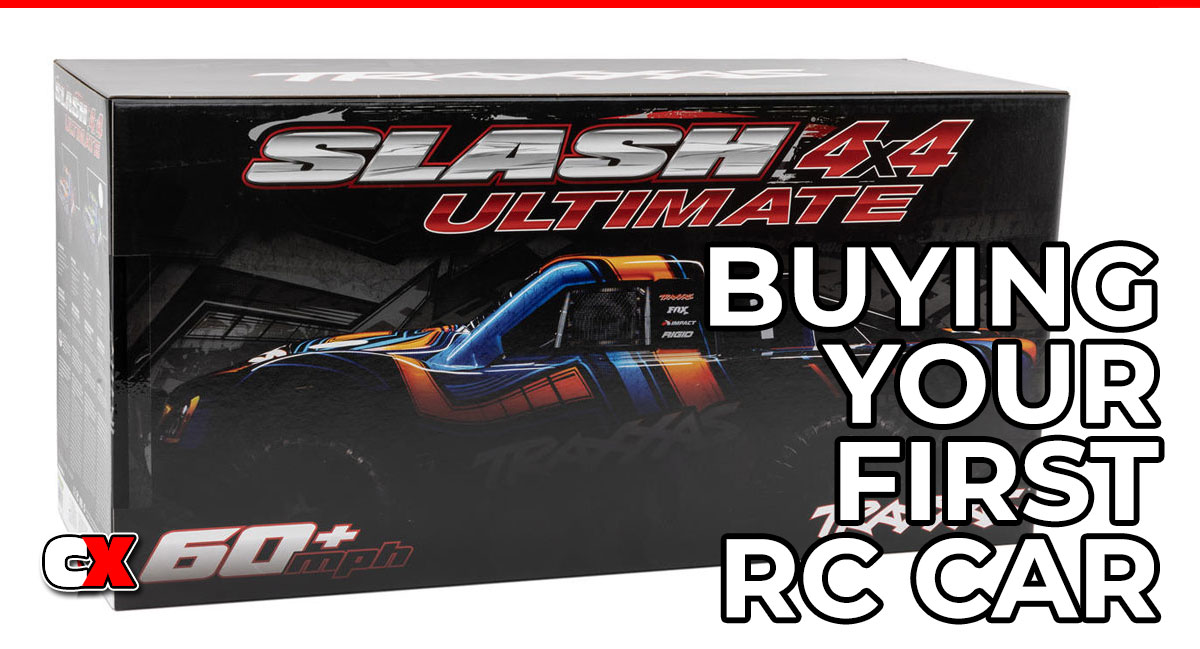
Getting into RC cars is one of the most exciting hobbies you can start. It combines speed, mechanics, tuning and just pure fun. But if you’re brand new, the first big question hits fast:
“What RC car should I buy?”
The truth is, there isn’t a single “best” RC car for everyone. Your first car depends on how you want to use it, where you’ll drive and how much time you want to spend maintaining it.
This guide will walk you through everything you need to know before buying your first RC car – without overwhelming you. By the end, you’ll know exactly what to look for and, more importantly, what to avoid.
Step 1: Choose Electric or Nitro (Start Here)
This is the most important decision you’ll make.
Electric RC Cars (Best for Beginners)
Electric RC cars use rechargeable batteries to power aa motor. Most modern versions use LiPo batteries and brushless motors.
Why beginners should choose electric:
• Simple plug-and-play operation
• Quiet and clean (no fuel, no fumes)
• Minimal maintenance
• Can be used almost anywhere
• Instant acceleration and strong performance
Electric RC cars are widely considered the best starting point because they are easier to operate and maintain.
Nitro RC Cars (For Advanced Users)
Nitro cars use small internal combustion engines fueled by nitromethane.
Why some people choose nitro:
• Real engine sound and feel
• Longer run time (just refuel)
• More hands-on mechanical experience
But here’s the reality:
• Harder to tune and maintain
• Messy and noisy
• Not beginner-friendly
• Requires fuel and engine upkeep
Nitro models demand more skill and maintenance, which makes them a poor first choice for most newcomers.
Verdict
If you’re new, start with electric. It’s easier, faster to get running and lets you focus on driving instead of troubleshooting.
Shop Electric RC Cars
Check Price: www.AMainHobbies.com
Shop Nitro RC Cars
Check Price: www.AMainHobbies.com
Step 2: Pick the Right Type of RC Car
RC cars come in different styles. Each one is designed for a specific type of driving.
On-Road Cars
• Built for pavement and smooth surfaces
• Fast and precise
• Limited off-road ability
Off-Road Cars (Best for Beginners)
• Can handle dirt, grass and rough terrain
• More durable
• More forgiving to drive
Popular Off-Road Types:
• Monster Trucks – Big tires, great for jumping
• Buggies – Balanced handling and speed
• Short Course Trucks – Stable and beginner-friendly
If you’re unsure, start with an off-road truck or buggy. They’re the most versatile.
Shop Onroad RC Cars
Check Price: www.AMainHobbies.com
Shop Offroad RC Cars
Check Price: www.AMainHobbies.com
Step 3: RTR vs Kit
RTR (Ready-To-Run) – Best Choice
RTR cars come fully assembled with everything you need:
• Car
• Transmitter
• Electronics
You just charge the battery and go. This is what most beginners should buy.
Kit (Build-It-Yourself)
Kits require you to assemble the entire car and often purchase electronics separately.
• Great for learning
• More time and effort required
Not ideal for your very first RC car unless you enjoy building.
Shop RC Car Kits
Check Price: www.AMainHobbies.com
Shop Ready-To-Run Kits
Check Price: www.AMainHobbies.com
Step 4: Brushed vs Brushless Motors
Brushed Motors
• Slower
• Cheaper
• Great for beginners
Brushless Motors
• Faster and more efficient
• Longer lifespan
• More expensive
Brushless systems offer higher speeds and better efficiency, making them popular in modern RC cars.
Recommendation:
• Start brushed if you’re unsure
• Go brushless if you want speed right away
Step 5: Battery Type (Important)
Most electric RC cars use:
NiMH Batteries
• Safer
• Easier to use
• Lower performance
LiPo Batteries
• More power
• Longer run times
• Require proper care
Typical run times range anywhere from 10–40 minutes depending on battery and driving style. Beginners can start with NiMH, but most eventually upgrade to LiPo.
Shop RC Batteries
Check Price: www.AMainHobbies.com
Step 6: Scale and Size
RC cars come in different sizes, called “scale.”
Common sizes:
• 1/18 scale – Small and portable
• 1/10 scale – Best all-around choice
• 1/8 scale – Bigger, faster, more expensive
Start with 1/10 scale for the best balance.
Step 7: Budget (What to Expect)
Here’s a realistic breakdown:
Entry-Level ($150–$300)
• Brushed motor
• Basic electronics
• Good for beginners
Mid-Range ($300–$600)
• Brushless power
• Better durability
• Faster speeds
High-End ($600+)
• Extreme performance
• Advanced features
A solid beginner setup usually falls around $250–$400.
Step 8: Where Will You Drive?
Think about where you’ll actually use your RC car.
• Backyard = Off-road truck
• Street = On-road car
• Park/dirt = Buggy or short course
• Track = Depends on class
Choosing the wrong type for your terrain is one of the biggest beginner mistakes.
Step 9: Parts and Support
This is critical. Always choose a brand with:
• Easy-to-find replacement parts
• Strong community support
• Upgrade options
You will break parts. That’s part of the hobby. Make sure replacements are easy to get.
Step 10: Maintenance Expectations
Even beginner RC cars need some upkeep:
Electric:
• Clean dirt and debris
• Check screws and suspension
• Charge batteries properly
Nitro (for comparison):
• Tune engine
• Clean air filters
• Replace glow plugs
• Manage fuel system
Nitro cars require significantly more maintenance and mechanical knowledge.
Pros and Cons of RC Cars (Beginner Perspective)
Electric RC Cars
Pros:
• Easy to use
• Low maintenance
• Quiet
• Fast
Cons:
• Limited runtime per battery
• Batteries can be expensive
Nitro RC Cars
Pros:
• Realistic driving experience
• Longer run sessions
Cons:
• Complex setup
• Messy
• Loud
• Higher maintenance
Which Should You Choose?
Let’s simplify it:
Choose electric if:
• You want to drive right away
• You don’t want to deal with engines
• You want less maintenance
Choose nitro if:
• You enjoy mechanical work
• You want realism
• You’re okay with a learning curve
For most beginners, electric is the clear winner.
FAQ
Q: What is the best RC car for a beginner?
A: A 1/10 scale electric RTR off-road truck or buggy is the best starting point.
Q: Should beginners choose electric or nitro RC cars?
A: Electric. They are easier to use, cleaner and require far less maintenance.
Q: How fast are beginner RC cars?
A: Most beginner cars range from 20–30mph, while advanced models can exceed 60mph right out of the box.
Q: How long do RC car batteries last?
A: Typically 10–40 minutes depending on battery size and driving style.
Q: Are RC cars expensive to maintain?
A: Electric RC cars are relatively low-cost to maintain. Nitro cars are more expensive due to fuel and engine upkeep.
Q: Do I need extra batteries?
A: No, but it’s a good idea to have them. Having multiple batteries lets you drive longer without waiting.
Q: Can I upgrade my RC car later?
A: Absolutely. Most hobby-grade electric and nitro RC cars are highly upgradeable.
Q: Is RC a good hobby for beginners?
A: Yes. It’s easy to start, teaches great mechanical skills and, when it comes time to race, can be an amazing social experience!
Related Beginner’s Guide Articles
• Electric vs Nitro RC Cars: Which One Should You Choose?
• RC Car Build Types Explained: Kit vs RTR vs ARTR
• RC Car Scale Explained: A Beginner’s Guide to Choosing the Right Size

