

RC ESC BEC Voltage Explained
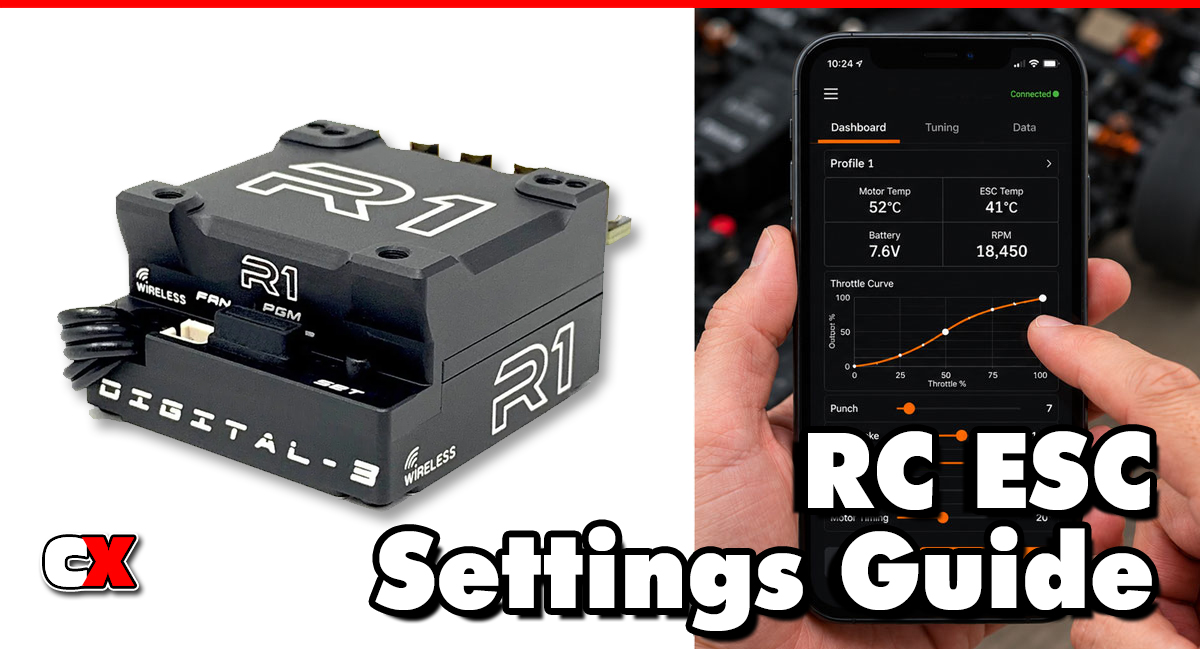
What Is BEC Voltage?
BEC stands for Battery Eliminator Circuit. It is a built-in voltage regulator inside an Electronic Speed Control (ESC) that provides power to the receiver and connected electronics, such as the steering servo, gyro, transponder, or telemetry devices.
Without a BEC, you would need a separate receiver battery to power these components.
BEC Voltage is the output voltage supplied by the ESC to the receiver system. Common BEC Voltage settings include:
• 5.0V
• 6.0V
• 7.4V
• 8.4V
The exact options depend on the ESC model.
Most modern programmable ESCs allow users to adjust BEC Voltage through:
• ESC programming cards
• Smartphone apps
• Bluetooth modules
• Wi-Fi adapters
• Transmitter programming systems
The BEC Voltage setting affects every device connected to the receiver.
How Does BEC Voltage Affect Your Car?
Changing BEC Voltage directly affects the performance of your servo and receiver electronics.
Higher BEC Voltage
Increasing BEC Voltage generally provides:
• Faster steering response
• Increased servo torque
• Improved servo holding power
• More consistent steering under load
• Better performance on high-grip surfaces
For example, a servo running at 8.4V will typically be faster and stronger than the same servo operating at 6.0V.
Benefits include:
• More aggressive steering feel
• Better precision entering corners
• Improved control in technical sections
• Reduced steering fade during long runs
Lower BEC Voltage
Reducing BEC Voltage typically results in:
• Slower servo speed
• Reduced steering torque
• Less aggressive steering response
• Lower power consumption
Benefits include:
• Reduced stress on electronics
• Lower operating temperatures
• Improved reliability with older servos
• Compatibility with low-voltage receivers and accessories
Potential Risks
Running too much BEC Voltage can:
• Damage non-high-voltage servos
• Overheat sensitive electronics
• Cause receiver failures
• Shorten servo lifespan
Always verify the voltage ratings of every component connected to the receiver before increasing BEC Voltage.
How Do You Change BEC Voltage?
The process depends on your ESC manufacturer, but the general procedure is similar.
Step 1: Verify Component Compatibility
Before making any adjustments, check the specifications for:
• Steering servo
• Receiver
• Gyro
• Telemetry sensors
• Transponder systems
Confirm the maximum supported operating voltage.
Step 2: Access ESC Programming
Use one of the following:
• Programming card
• ESC setup menu
• Smartphone app
• Bluetooth module
• Wi-Fi module
Locate the BEC Voltage setting.
Step 3: Select a Voltage
Typical options include:
5.0V – Older electronics
6.0V – Standard servos
7.4V – High-voltage servos
8.4V – Premium high-voltage servos
Step 4: Save Settings
Store the new value in the ESC and cycle power to ensure the setting is active.
Step 5: Test the Vehicle
After changing BEC Voltage:
• Check steering speed
• Check steering strength
• Verify receiver operation
• Monitor servo temperature
When To Change BEC Voltage
BEC Voltage should be adjusted whenever you want to optimize servo performance or when installing new electronics.
Increase BEC Voltage When:
• Using a high-voltage servo
• Steering feels weak
• Steering speed feels slow
• Running on high-grip tracks
• Driving heavy vehicles
• Using large tires that create higher steering loads
Decrease BEC Voltage When:
• Using older servos
• Electronics are overheating
• Experiencing receiver issues
• Components have lower voltage ratings
• Reliability is more important than maximum performance
Common Applications
1/10 Touring Car
Higher BEC Voltage often improves steering precision and corner entry response.
1/8 Buggy
Higher BEC Voltage helps maintain steering authority during hard landings and rough terrain.
Rock Crawlers
Many crawlers benefit from higher BEC Voltage because the steering system experiences extreme loads when climbing obstacles.
Large Scale Vehicles
Additional servo torque from increased BEC Voltage can improve steering control with large tires.
What To Check After BEC Voltage
Whenever BEC Voltage is changed, inspect the entire electronics system.
Servo Temperature
After several minutes of driving:
• Touch the servo case carefully.
• Excessive heat may indicate the voltage is too high.
Steering Performance
Check for:
• Faster steering response
• Increased steering authority
• Improved cornering consistency
Receiver Stability
Verify:
• No receiver resets
• No signal loss
• No brownouts
Battery Consumption
Higher BEC Voltage can increase power demand from the drive battery.
Monitor:
• Runtime
• Battery temperature
• ESC temperature
Wiring Condition
Higher voltage places greater demands on:
• Receiver plugs
• Servo connectors
• Extension wires
Check for:
• Loose connections
• Excessive heat
• Damaged wiring
Basic BEC Voltage vs Advanced Settings
Basic BEC Voltage Settings
Most drivers only need a simple voltage adjustment.
Typical setup:
• 6.0V for standard servos
• 7.4V for high-voltage servos
Advantages:
• Easy to configure
• Reliable operation
• Minimal risk
Ideal for:
• Beginners
• Club racers
• Bashers
• Casual drivers
Advanced BEC Voltage Settings
Advanced drivers often tune BEC Voltage as part of their overall electronics package.
They may adjust BEC Voltage based on:
• Surface grip levels
• Servo specifications
• Vehicle weight
• Steering geometry
• Tire selection
• Gyro performance
Advantages:
• Maximum steering performance
• Faster servo response
• Increased steering precision
Ideal for:
• Competitive racers
• High-end crawlers
• Professional-level setups
General Recommendation
Start with the servo manufacturer’s recommended voltage and only increase BEC Voltage if additional steering performance is needed.
FAQ
Q: What does BEC stand for?
A: BEC stands for Battery Eliminator Circuit. It allows the ESC to power the receiver and servos without requiring a separate receiver battery.
Q: Does higher BEC Voltage make my car faster?
A: No. BEC Voltage affects receiver electronics and servos, not motor speed or vehicle top speed.
Q: Will increasing BEC Voltage improve steering?
A: Usually yes. Higher BEC Voltage often increases servo speed and torque, resulting in stronger and faster steering response.
Q: Can I damage my servo with too much BEC Voltage?
A: Yes. Exceeding the servo’s rated voltage can permanently damage the electronics and motor.
Q: What is the most common BEC Voltage setting?
A: 6.0V and 7.4V are the most common settings in modern RC vehicles.
Q: Is 8.4V safe?
A: Only if the servo, receiver, and all connected electronics are specifically rated for 8.4V operation.
Q: Should crawlers use higher BEC Voltage?
A: Many crawlers benefit from higher BEC Voltage because steering systems often operate under heavy loads when climbing obstacles.
Q: Do all ESCs allow BEC Voltage adjustment?
A: No. Some ESCs have fixed BEC Voltage outputs, while others provide multiple selectable options.
Back to the RC ESC Settings Guide.

