

RC Chassis Type Explained
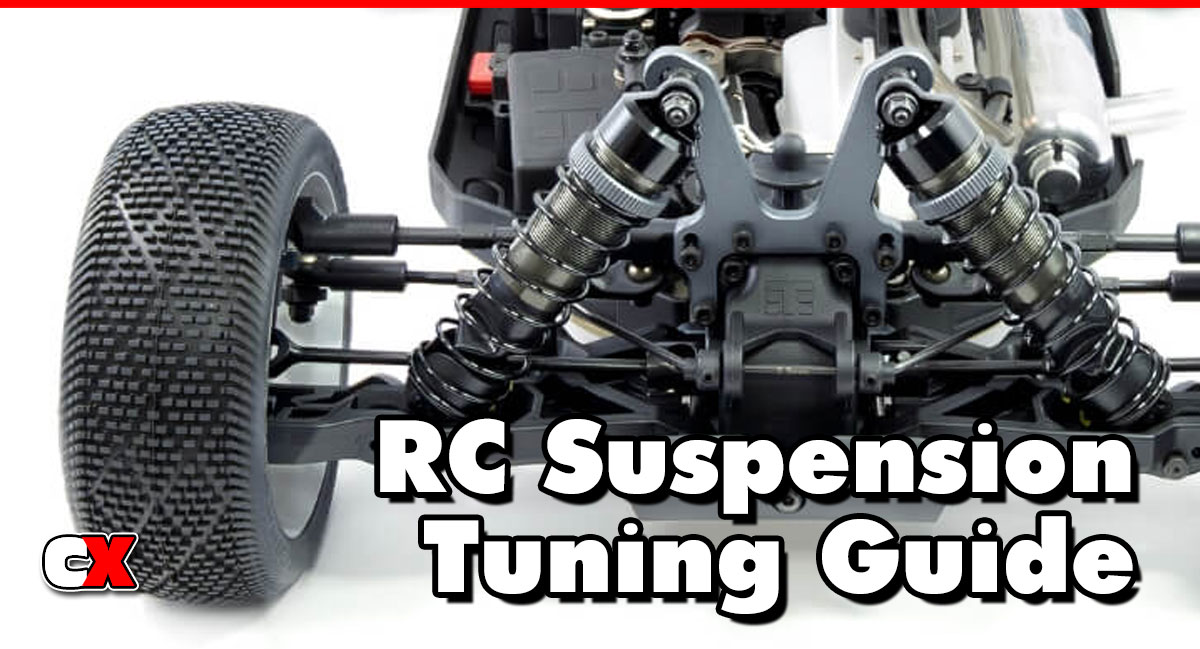
What Is Chassis Type?
Chassis Type refers to the material and construction of the main chassis plate or structure of your RC car. It is the foundation that everything mounts to, including suspension components, drivetrain and electronics.
Common Chassis Type materials include:
• Molded Composite (Plastic) – Flexible, durable and common in RTR vehicles
• Fiberglass (G10/FRP) – Stiffer than plastic, budget-friendly performance option
• Carbon Fiber – Lightweight, very stiff and used in high-end race platforms
• Aluminum – Strong, rigid and often used in bashers or crawlers
• Steel – Extremely strong but heavy, typically found in scale rigs or heavy-duty applications
Each Chassis Type changes how the car flexes, transfers weight and reacts to the track or terrain.
How Chassis Type Affects Your Car?
Chassis Type plays a major role in handling because it directly controls flex characteristics, weight distribution and durability.
Flex and Grip
More flexible chassis (composite, some fiberglass):
• More mechanical grip
• Better on low-traction surfaces
• Smoother, more forgiving handling
Stiffer chassis (carbon fiber, aluminum):
• Faster response
• Sharper steering
• Better for high-traction tracks
Weight
Lighter materials (carbon fiber, fiberglass):
• Faster acceleration
• More responsive direction changes
Heavier materials (steel, aluminum):
• More planted feel
• Better stability in rough terrain
Durability
• Composite: absorbs impacts well, less likely to crack
• Carbon fiber: strong but can crack under heavy impact
• Aluminum: bends instead of breaking, can tweak alignment
• Steel: nearly indestructible, but adds significant weight
Consistency
• Stiffer Chassis Type = more consistent lap times on smooth tracks
• Flexible Chassis Type = more forgiving in bumpy conditions
How Do You Change Chassis Type?
Changing Chassis Type usually involves replacing the main chassis or platform. The process depends on the vehicle:
Direct Replacement (Same Platform)
• Swap from composite to carbon fiber upgrade kit
• Replace molded chassis with aluminum upgrade parts
• Common in touring cars and race buggies
Conversion Kits
• Some platforms offer full conversion kits (plastic to carbon fiber race chassis)
• May include new top decks, braces and hardware
Full Platform Change
• Switching from an RTR basher to a race kit
• Moving from a crawler chassis to a performance-focused chassis design
Important Notes
• Not all vehicles support multiple Chassis Type options
• Swapping materials often requires matching parts (bulkheads, braces, top decks)
When To Change Chassis Type
Changing Chassis Type is a bigger tuning decision than most adjustments. It is usually done when your current setup limits performance.
Increase Flex (Switch to Composite or Fiberglass)
• Low-grip tracks (dusty dirt, loose surfaces)
• Cold weather conditions
• Car feels nervous or lacks traction
• You need more forgiveness in handling
Increase Stiffness (Switch to Carbon Fiber or Aluminum)
• High-grip tracks (carpet, turf, prepared clay)
• Car feels slow to respond
• You want sharper steering and faster lap times
• You are chasing consistency in racing conditions
Increase Durability (Switch to Aluminum or Steel)
• Heavy bashing environments
• Rock crawling or trail driving
• Frequent crashes or hard impacts
Reduce Weight (Switch to Carbon Fiber or Fiberglass)
• Racing applications where speed matters
• Fine-tuning weight balance and CG
What to Check After Changing Chassis Type
Changing Chassis Type affects the entire handling balance of the car. You should always revisit these areas:
Suspension Geometry
• Camber
• Toe
• Camber Link Locations
A stiffer chassis will make geometry changes more noticeable.
Shock Setup
• Oil weight
• Spring rate
• Piston selection
Flexible chassis often require slightly stiffer shocks to maintain control.
Ride Height
Different materials can change chassis sag and flex under load
Droop
Affects how weight transfers with different chassis stiffness
Anti-Roll Bars
• Stiffer chassis may require softer Anti-Roll Bars to regain grip
Weight Distribution
• Heavier or lighter Chassis Type will shift balance
• Adjust battery position if possible
Tire Selection
• Softer chassis = may need harder tires
• Stiffer chassis = may need softer tires for grip
FAQ
Q: What is the best Chassis Type for beginners?
A: Molded Composite is usually the best starting point. It is durable, forgiving and works well in most conditions.
Q: Is Carbon Fiber always faster?
A: No. Carbon Fiber is best on high-grip tracks. On low-grip surfaces, it can actually reduce traction and make the car harder to drive.
Q: Why do race cars use Carbon Fiber Chassis Type?
A: Carbon Fiber offers a strong balance of low weight and high stiffness, which improves responsiveness and consistency on prepared tracks.
Q: Is Aluminum a good upgrade for racing?
A: Not always. Aluminum is strong but often too heavy and too rigid for competitive racing. It is better suited for bashing or crawling.
Q: Can Chassis Type change handling that much?
A: Yes. It is one of the most noticeable changes you can make. It affects flex, grip and overall feel more than many suspension adjustments.
Q: Does a stiffer Chassis Type mean better performance?
A: Only in the right conditions. High grip favors stiffness, while low grip favors flex.
Back to the RC Suspension Tuning Guide.

