 CompetitionX CompetitionX is the most up-to-date source for RC Car News, Reviews and Videos for Radio Control. We also have the most comprehensive Manual Database on the web.
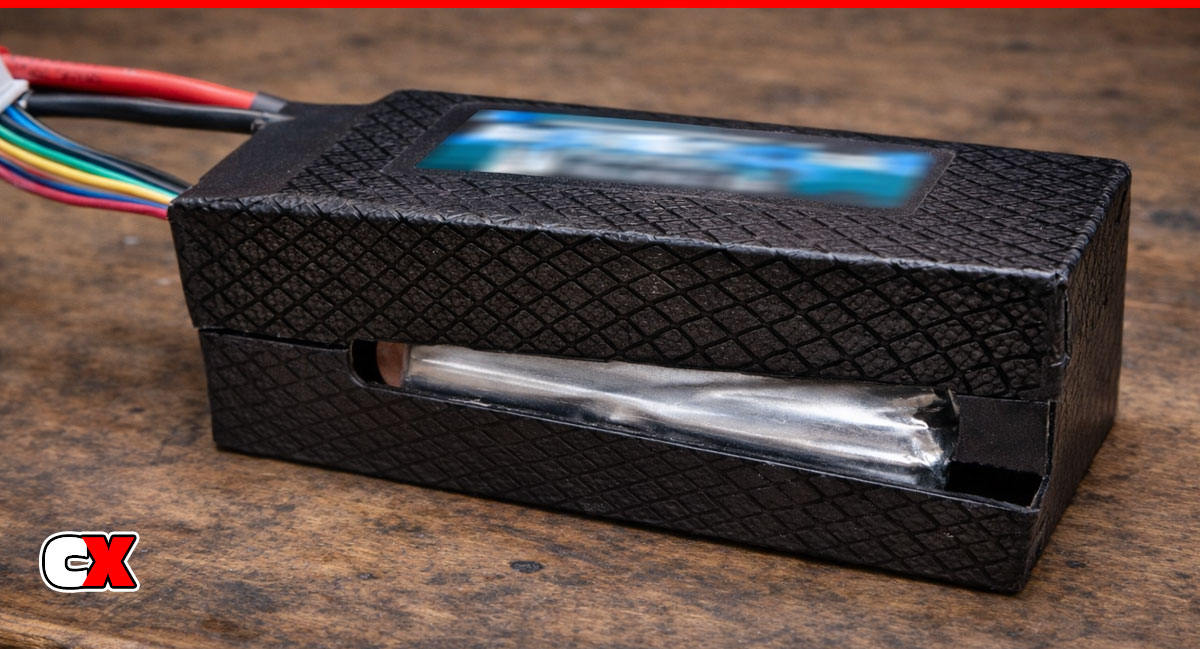
Lithium Polymer (LiPo) batteries are the go-to power source for RC hobbyists. They deliver high energy density in a lightweight package – ideal for drones, RC cars and other electrified hobby gear. But LiPo batteries don’t last forever, and when they begin to show signs of wear – like swelling or puffing – they can become a serious safety concern. Improper disposal can lead to fires, toxic smoke, environmental contamination and even explosions.
This Beginner’s Boot Camp guide will walk you through when to retire LiPo batteries, why puffed batteries are dangerous, recommended safe discharge and disposal methods as well as a few tips on what NOT to do.
1. Why LiPo Disposal Matters
LiPo batteries store a large amount of energy in a compact package. When they fail, are damaged or swell, they can easily catch fire or vent harmful gases. A puffed battery means that gases are building up inside the cell due to internal chemical breakdown – a ticking time bomb.
That’s why you should never just throw them in regular trash or curbside recycling bins. Doing so risks fire hazards in waste trucks and recycling facilities.
2. When to Dispose of a LiPo Battery
You should consider disposing of a LiPo battery if:
- It’s seriously swollen or puffed.
- It no longer holds charge.
- It shows signs of damage (cuts, punctures, bulging).
- It’s more than a few years old and performance has declined.
- It has been involved in minor fire or thermal event.
Swelling is one of the clearest indicators a LiPo has suffering internal damage and should be retired immediately.
3. Safest Ways to Dispose of LiPo Batteries
A. Completely Discharge Before Disposal
The most important step: discharge the battery to as close to 0v as possible. This removes most stored energy and makes it far less likely to catch fire.
 Here are the most popular discharge methods:
- LiPo Charger Discharge Function: Most smart chargers include a discharge mode. This method is controlled and safe but often stops at a “storage voltage” (~3v per cell), which is not low enough for safe disposal.
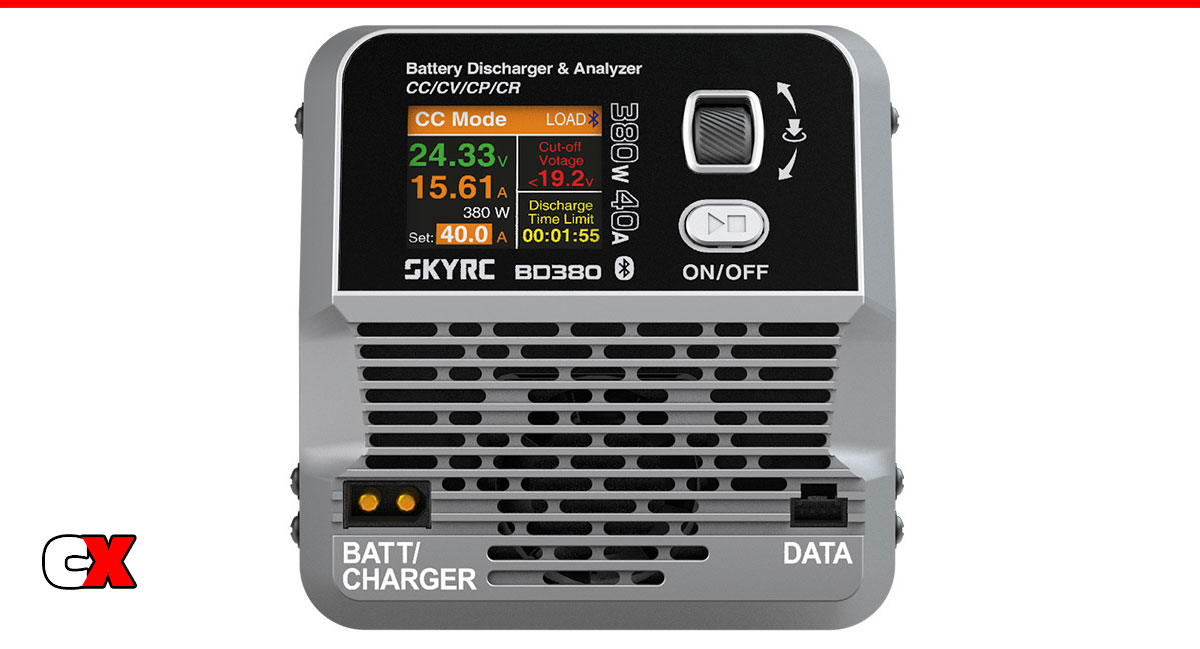
- Dedicated Discharge Units: Battery dischargers exist (like the SkyRC BD380 Discharge Unit) that safely draw energy out at controlled rates. They have an adjustable discharge rate and are ideal if you dispose of or set your LiPos in Storage mode regularly.
B. Saltwater Baths – Not Recommended but Still Used by Some
Historically, people immerse LiPos in a bucket of saltwater to accelerate discharge. Although it works, this method is:
- Slow – takes days or weeks depending on state of charge.
- Inconsistent – terminals can corrode before full discharge, leaving energy inside.
- Produces harmful byproducts – chlorinated gases in saltwater electrolysis can be dangerous.
Because of these factors, saltwater discharge is not considered reliable or safe by many experts.
C. Physically Destroying the Battery – DO NOT DO THIS
Drilling, puncturing, hammering or shooting at a LiPo pack is dangerous and highly discouraged. It can ignite the battery and release toxic smoke. Safety experts and hobby guides strongly advise against attempting to destroy a LiPo by force.
4. Handling Puffed LiPo Batteries Safely
Swollen batteries deserve extra caution.
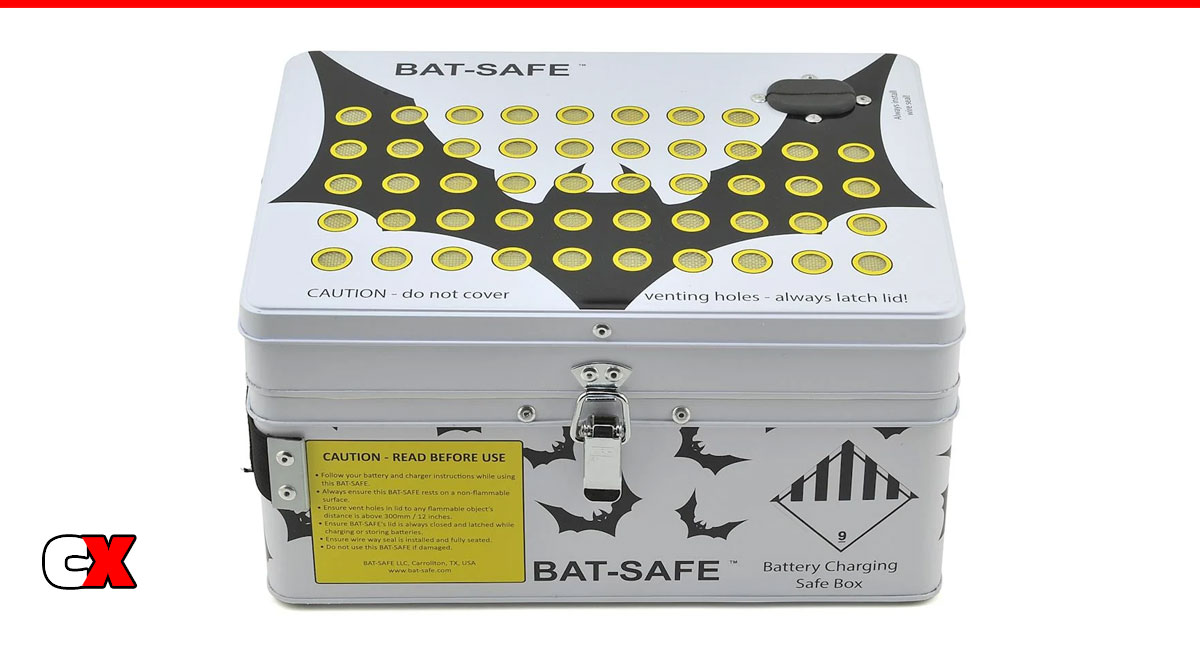 Safe Storage Before Disposal
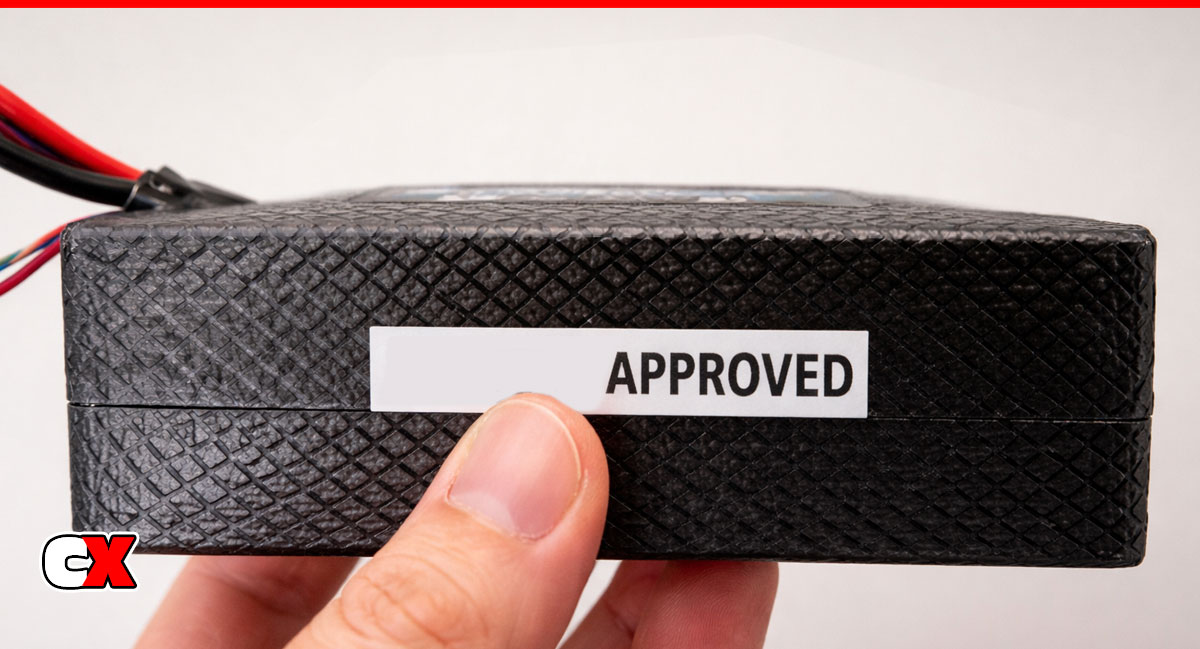
- Keep swollen batteries in an isolated, fireproof container (e.g., Bat Safe (my preferred method), metal bucket, sand/kitty litter box, etc.).
- Store them away from flammable materials.
- Do not charge or attempt to use puffed batteries. They’re unpredictable.
If a Battery Is Smoking, Warm, or Degrading
- Carefully move it outdoors on a non-flammable surface.
- Place in a fire-proof container and let it cool/stabilize.
- Only handle it after it stops emitting heat/smoke.
5. Final Disposal Options After Discharge
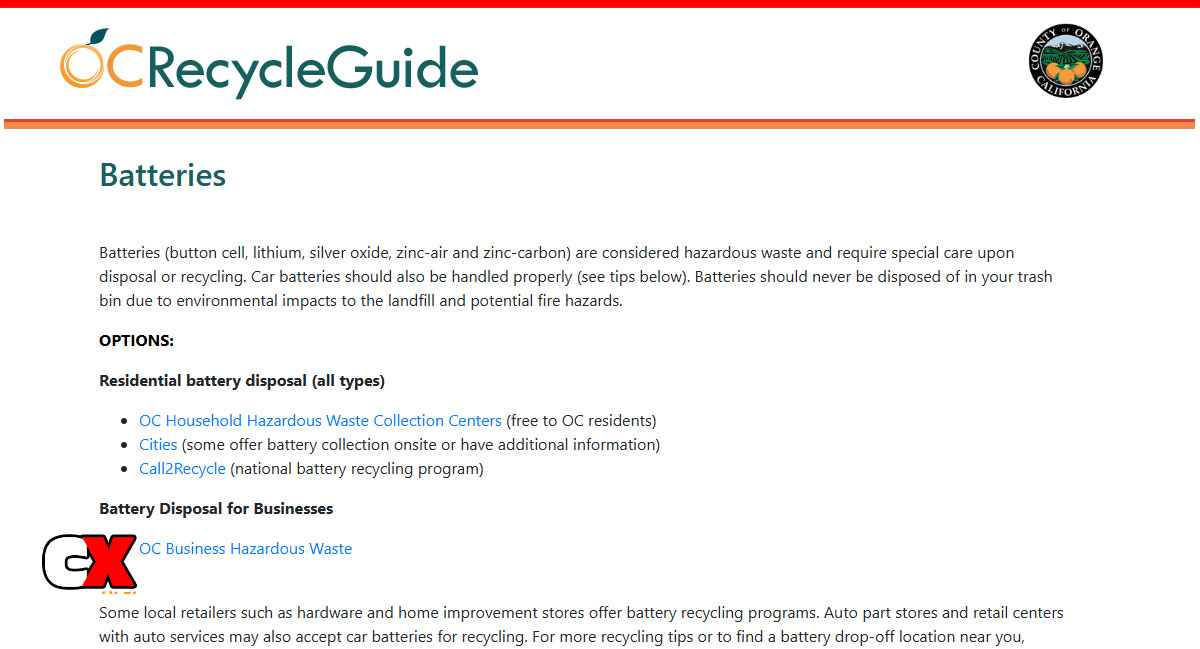 Once your LiPo battery is safely discharged:
- A. Take to a Certified Recycling Facility – Most cities and counties have battery recycling centers or household hazardous waste drop-off programs. Check with local waste authorities for battery collection locations first.
- B. Retail Recycling Drop-Offs – Many electronics retailers (e.g., Best Buy, Home Depot) accept battery collections. Confirm with the store before dropping off.
DO NOT put LiPo batteries in regular recycling bins. Even dead batteries can cause fires in recycling sortation facilities – keep them separate and labeled.
6. Summary: Quick Checklist
- Inspect battery – if it shows signs of swelling, retire it immediately.
- Fully discharge safely on your charger or with a controlled discharger.
- Isolate puffed batteries in a fire-proof container.
- Take to proper recycling/hazardous collection facility.
- Never crush, puncture, throw in the regular trash or mishandle a puffed LiPo battery.
Frequently Asked Questions
Q: Can I use salt water to discharge puffed LiPos?
A: It’s slow and unreliable and not the best method for fully discharging. Controlled discharging is safer.
Q: Is a fully discharged LiPo safe to throw in regular trash?
A: Once discharged to 0v, yes (in some areas), but home trash may still be inappropriate – always check local recycling laws first.
Q: Why is swelling dangerous?
A: Swelling means internal gases are building up, which makes the battery unstable and prone to rupture or fire.
By following these steps and prioritizing safety, you can responsibly retire old and puffed LiPo batteries without putting yourself your community, or the environment at risk.