 CompetitionX CompetitionX is the most up-to-date source for RC Car News, Reviews and Videos for Radio Control. We also have the most comprehensive Manual Database on the web.
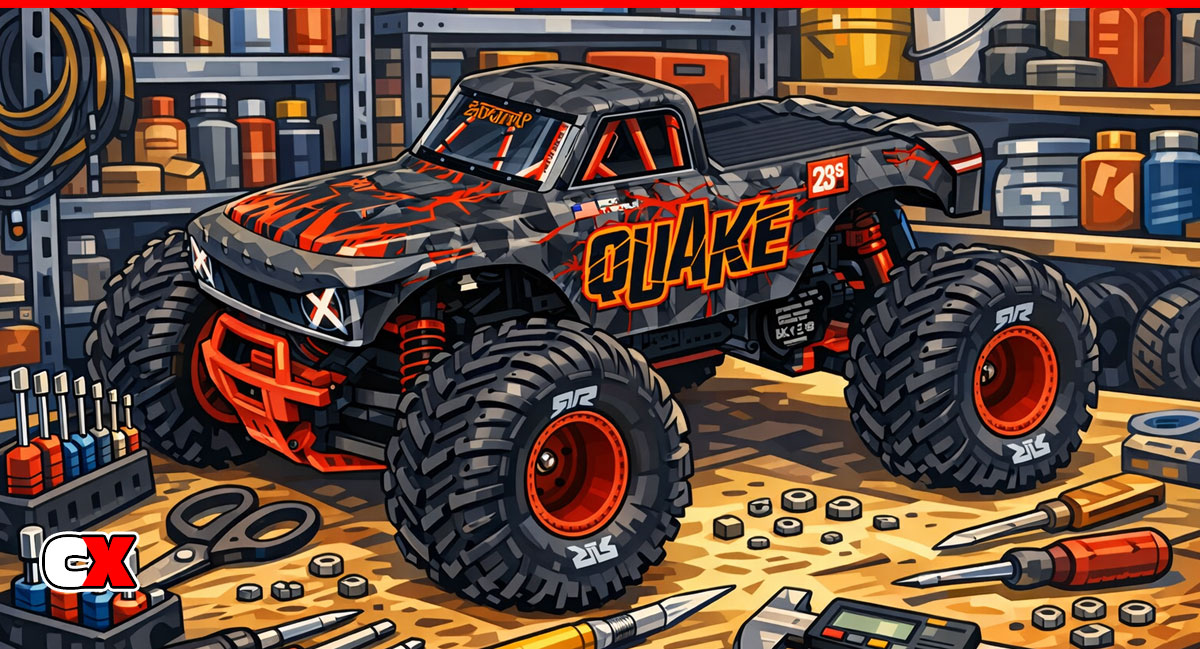
You’ve waited all week. Your new RC car/truck has arrived, the box is open and it’s sitting on the workbench – and it looks amazing. You’re itching to get out and drive!
Surprisingly enough, this is exactly when most people break something.
I’ve watched it happen in hobby shops, parking lots, backyards and probably more driveways than I should admit. A new basher comes out of the box, batteries go in and its instantly – full throttle! Thirty seconds later someone’s asking, “Uh, is that noise normal?”
It usually isn’t.
This article isn’t meant to kill your excitement. It’s meant to make sure you still have a working vehicle after your initial run. Do these few things first and you’ll save yourself a lot of frustration and the “I just bought this and it’s already broken” moments.
Tools You Actually Need (Keep It Simple)
You don’t need a $500 pit setup for your first day – you just need the basics, some of which might be included with your vehicle:
- 1.5 / 2.0 / 2.5mm Hex Drivers
- 5.5 / 7.0 Nut Drivers
- Blue threadlocker
- Tire Glue
- Basic LiPo Charger
- One spare spur gear (trust me on this one)
That’s it. If you have these, you’re already ahead of most first-time RC owners.
The 10-Minute Pre-Run Inspection
Take ten minutes here – it will save you hours later.
1) Check Metal-To-Metal Connections
Any metal-into-metal connections should get a tiny drop of blue threadlocker.
Check:
- Motor mount screws (definitely)
- Chassis screws (if it’s metal)
- Bulkhead screw (again, if they’re metal)
- Non-nylon wheel nuts
Tip: There’s no need to drown these screws in threadlocker – a tiny drop is all you need.
2) Look At Your Tires
RTR tires are notorious for coming unglued. Spin each tire slowly and look for:
- Gaps between tire and wheel.
- Spots where the bead is lifting.
If you see any of the above, add a small drop of tire glue and let it set before you run.
NOTE! Tire glue will bond your fingers just as easily as it does the tires. Be very careful using this!
3) Quick Slipper Clutch Check
Most RTR offroad vehicles ship with a soft slipper setting. This is great for protecting the drivetrain but can cause overheating, resulting in a melted spur gear.
To learn the best way to adjust your slipper, see this article: Beginner’s Guide to RC – Easily Set Your Slipper Clutch.
4) Check Your Gear Mesh (Paper Method – Quick and Easy)
A stripped spur gear is the #1 killer of new bashers – follow these steps to ensure a nice, tight mesh.
- Loosen the motor mount screws and slide the motor a tiny bit away from the spur gear.
- Slide a small strip of paper between the pinion and spur.
- Push the motor back into place – no need to mash the pinion against the spur.
- Tighten the motor mount screws.
- Pull the paper out.
You should feel a tiny bit of play between the gears – no binding, no grinding. If it sounds like rocks in a blender when you roll it, your mesh is too tight. Try the above steps again.
5) Roll Test
Put your vehicle on the ground and gently roll it forward and backward.
Listen. Feel it.
It should be smooth. If you hear crunching or scraping, stop and check your mesh and drivetrain again.
Battery & Electronics (This Is Where Beginners Get Bit)
A few RC facts:
- 3S is fast. Really fast. If this is your first basher, don’t start here. Run your rig on 2S first and get a feel for the vehicle.
- Never charge a hot battery. Let it cool to room temperature first, preferably in the shade (if you’re outside).
- If your ESC or battery is too hot to comfortably touch, you ran it too hard or too long. Take a break. Let it cool – get a drink, have a snack.
Heat is the #1 killer of electronics. If it’s hot, it’s angry.
“Your First Run” Rules (So You Don’t Break Stuff Immediately)
For your very first battery pack:
- Start on 2S, not 3S.
- Avoid tall grass or anything that will bog your vehicle down.
- Manage your throttle. I know it’s fun to go fast, but take it easy until you get an understanding of how your vehicle works (both in speed and handling).
- Let the motor and ESC cool between packs.
You’re not babying the truck – you’re breaking yourself in before you go bananas. Practice self-control.
What Will Probably Break First (Honest Talk)
Even if you do everything right, your first vehicle is going to take a beating. These are the usual suspects to fail first:
- Spur gear (most common) – full throttle landings are a sure way to make this happen.
- Suspension arms – landing is an art, especially after a really big jump. The goal is to land as flat as possible and keep it on its wheels.
- Driveshaft – again, full throttle landings are bad.
- Body posts – if you’re not landing on your wheels, you’re landing on the body, and it’s not designed to withstand massive impacts.
- Wheel hexes – avoid full throttle landings, Part 3. The drivetrain parts can only take so much abuse.
If any of these fail, it doesn’t mean your truck is “bad.” It just means you’re having a good time. It’s going to take time to learn how to ‘drive’ your vehicle in a way to prevent crashes which, in turn, prevents breaking.
Final Thoughts
Your first basher should be fun, not stressful. A ten-minute check turns “I just broke my new ride” into “that was incredibly awesome. More please!”
So, do the checklist.
You’ll have way more fun if you do.